Air lubrication technology efficiencies for ore carriers
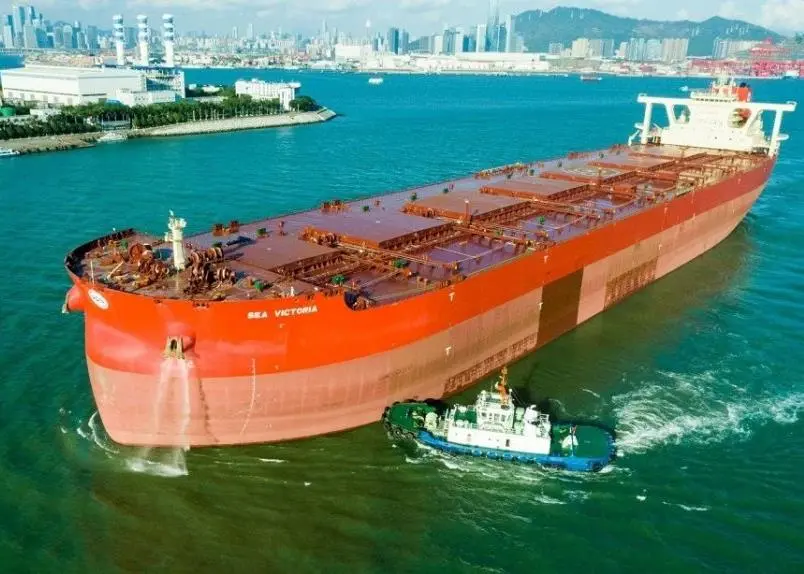
In a year of important developments for us, the successful installation of a Silverstream System on a Vale-chartered ore carrier, Sea Victoria, in June stands out. This installation on a vessel chartered by Vale and owned by Pan Ocean represents the first time any air lubrication technology has been deployed on a vessel of this type.
The technology was chosen to help Vale achieve the goals outlined in its Ecoshipping plan, whereby a range of proven technologies are deployed across its fleet to cut Scope 3 emissions. The order not only reflects the viability of the system for a new market segment, but also the importance of enabling trust in solutions in an increasingly complex market.
Driven by pressures to decarbonise, ship owners and operators are increasingly looking for new ways to improve efficiency on new and existing vessels. But as the clean tech market grows in complexity, it is crucial that the sector throws its weight behind solutions that are proven to deliver.
The benefits of air lubrication for ore carriers
The importance of validating clean technologies and proving payback has never been more important. Vale chose our technology based on its proven savings potential.
Sea Victoria is the latest Guaibamax newbuild dry bulk ship ordered by Vale. As a large, 324,300 dwt vessel, Guaibamaxes have the perfect characteristics to maximise efficiency gains from air lubrication.
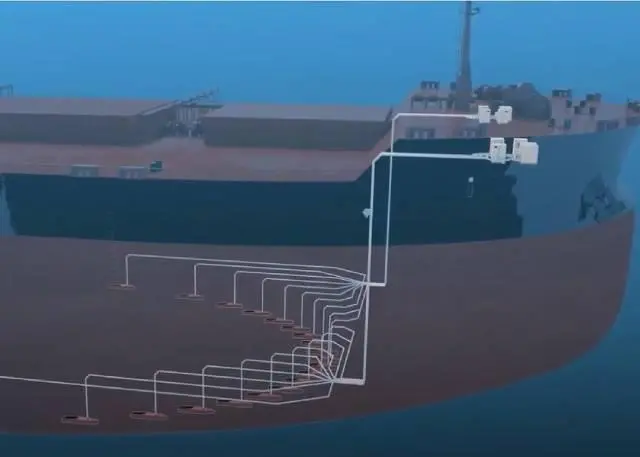
The system creates a rigid carpet of microbubbles that reduces friction between the hull and the water, cutting fuel burn and associated emissions. As with most dry bulk vessels, a large flat bottom to wetted area ratio – the amount of surface that our technology can lubricate – drastically increases our potential efficiency gains.
Similarly, the high utilisation of the System – the amount of time that it will be turned on during operations – which generally surpasses 90%, further strengthens the potential for savings to be realised. This is a metric that is all too often not considered when adopting clean technology, but it is a vital one. After all, a technology that could save 40% fuel would be rightly enticing, but that picture changes if it can only operate for a third of the time.
We believe that this installation sets a new benchmark for emissions reduction in the dry bulk segment. We continue to explore the opportunity to replicate this success across the remainder of Vale’s chartered fleet, to directly support their Ecoshipping programme.
Trust is built on consistency
From the first commercial installation of the System on Norwegian Cruise Line’s vessel, Norwegian Joy, through to orders with Carnival Cruise, Shell and Vale today, independent verification of our technology is one of the key factors behind our success. Guaranteed net fuel and emissions savings ensure a fast environmental and commercial payback for owners that are keen to make the right decisions in a complex market.
As the industry transitions to low and zero-carbon future fuels, owners and operators will be even more inclined to pursue verified savings potential. The higher cost of future marine fuels, which owners and operators will be required to use to remain compliant with environmental regulation, mean those not optimising fuel efficiency will be paying over the odds for each voyage. To put it simply, the clean technologies that are proven to significantly increase fuel efficiency now will, in the coming years, underpin the economic viability of the global fleet.
New rules for clean tech
In an increasingly tricky market, quality, applicability to vessel types, proven savings potential and lifecycle will play into how owners and operators select the clean technologies that underpin their future decarbonisation pathways.
These are the new rules for selecting clean technology within shipping; the guide that owners and operators must follow if they are to make the right decisions that support their businesses.
In that context, the announcement was not only an important day in Silverstream’s journey, but also helps to push the boundaries for what is possible in terms of efficient vessel design.