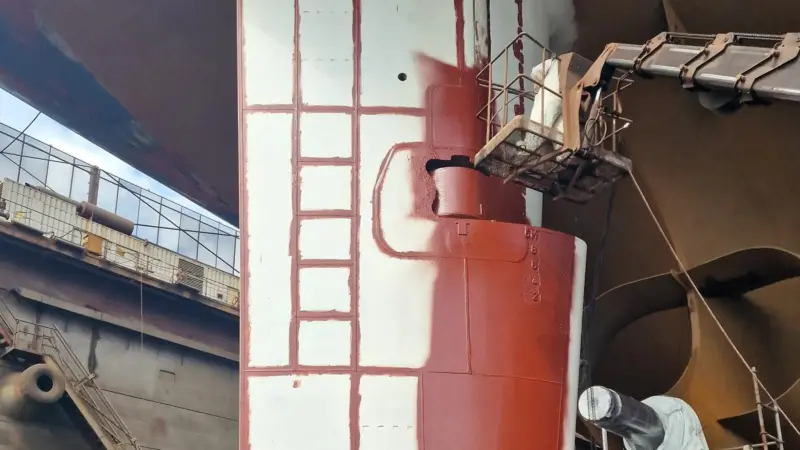
Debut for debris removal system aboard Van Oord dredger
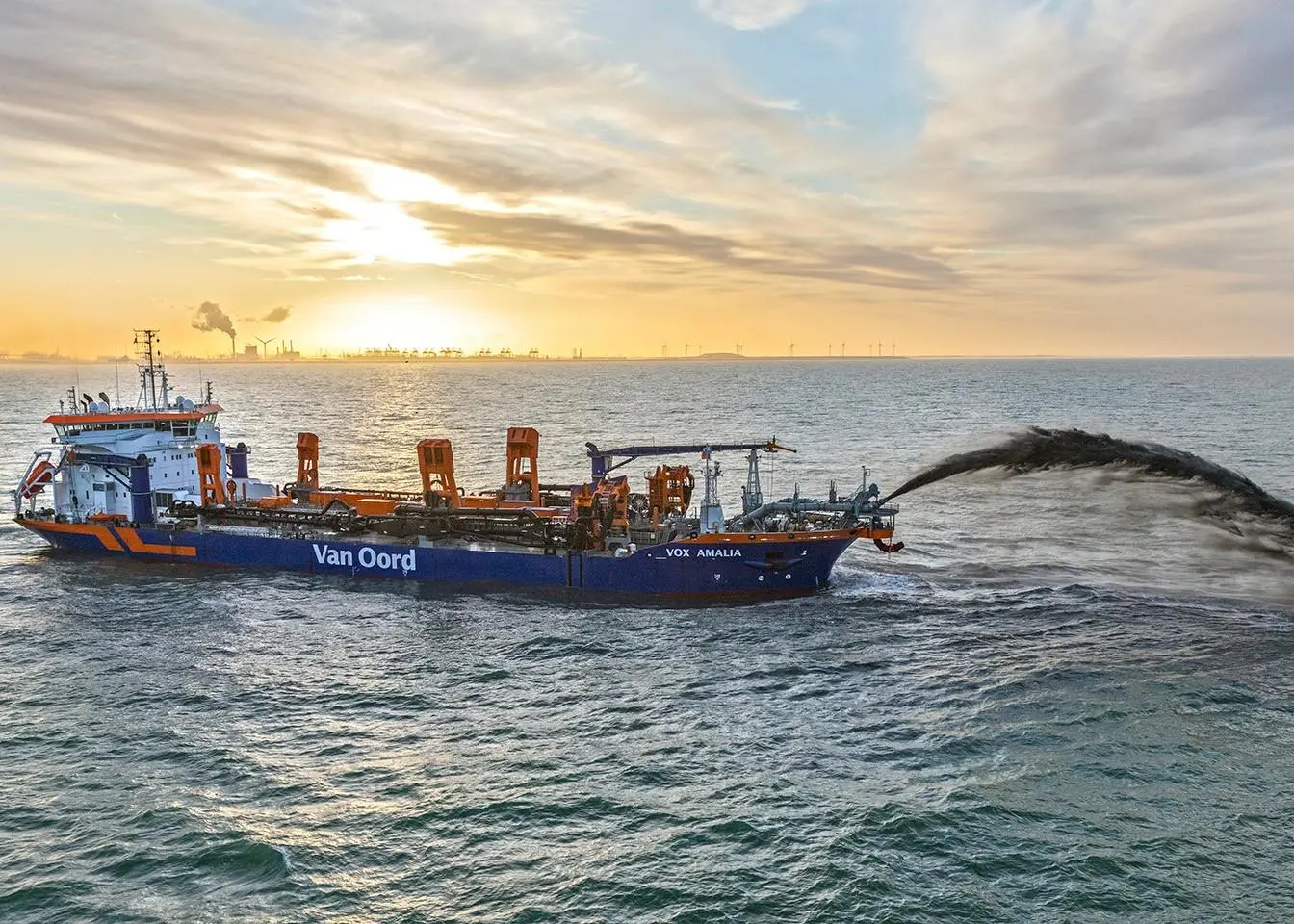
Van Oord is a global player in the maritime contracting sector and a world-wide leader in that industry. The Dutch family-owned firm has become famous world-wide with projects such as dredging the Suez Canal or constructing the Palm Islands in Dubai. They are also active in offshore wind and offshore infrastructure projects. Van Oord deploys its trailing suction hopper dredger Vox Amalia to create and extend port infrastructures and reinforce coastlines.
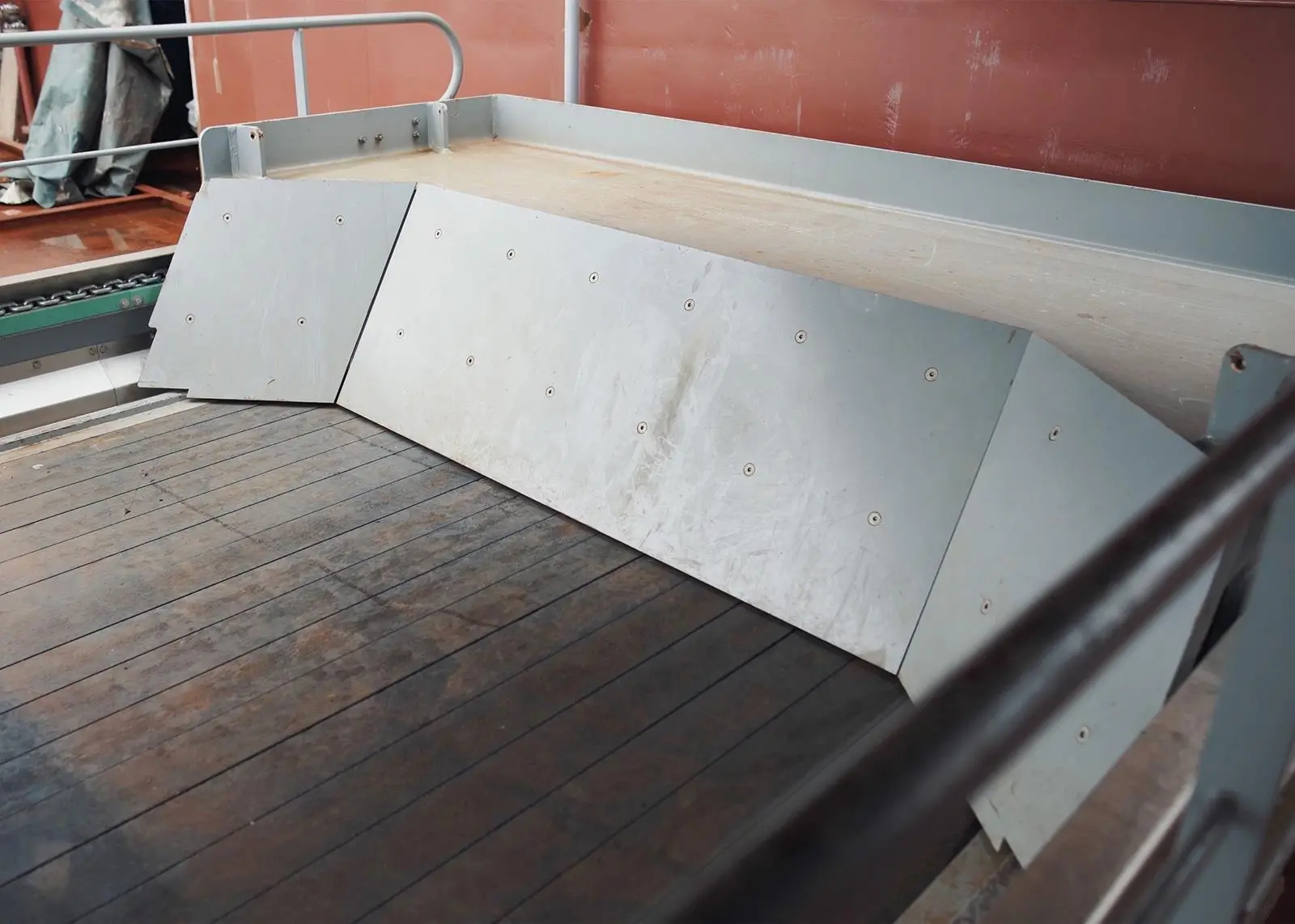
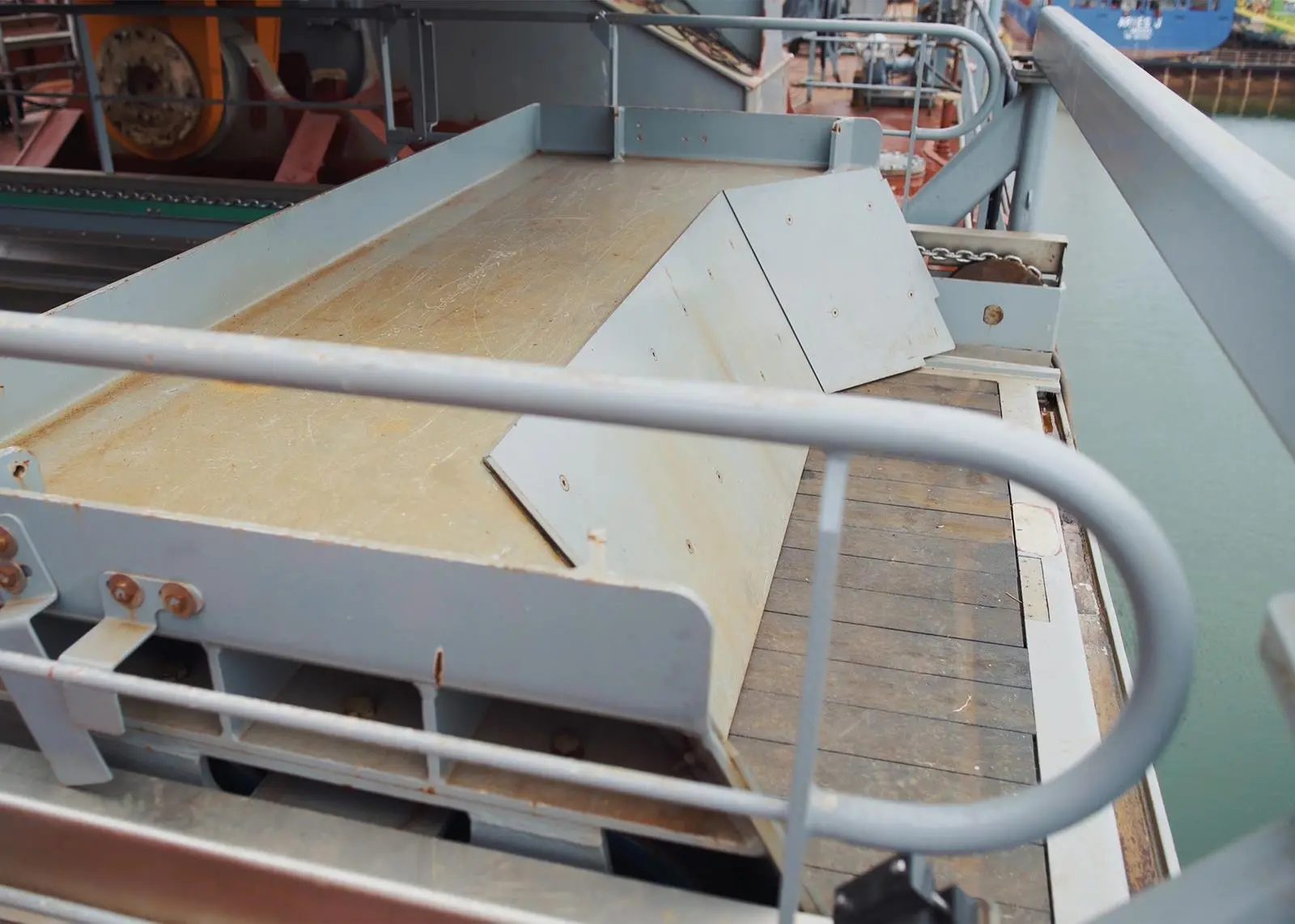
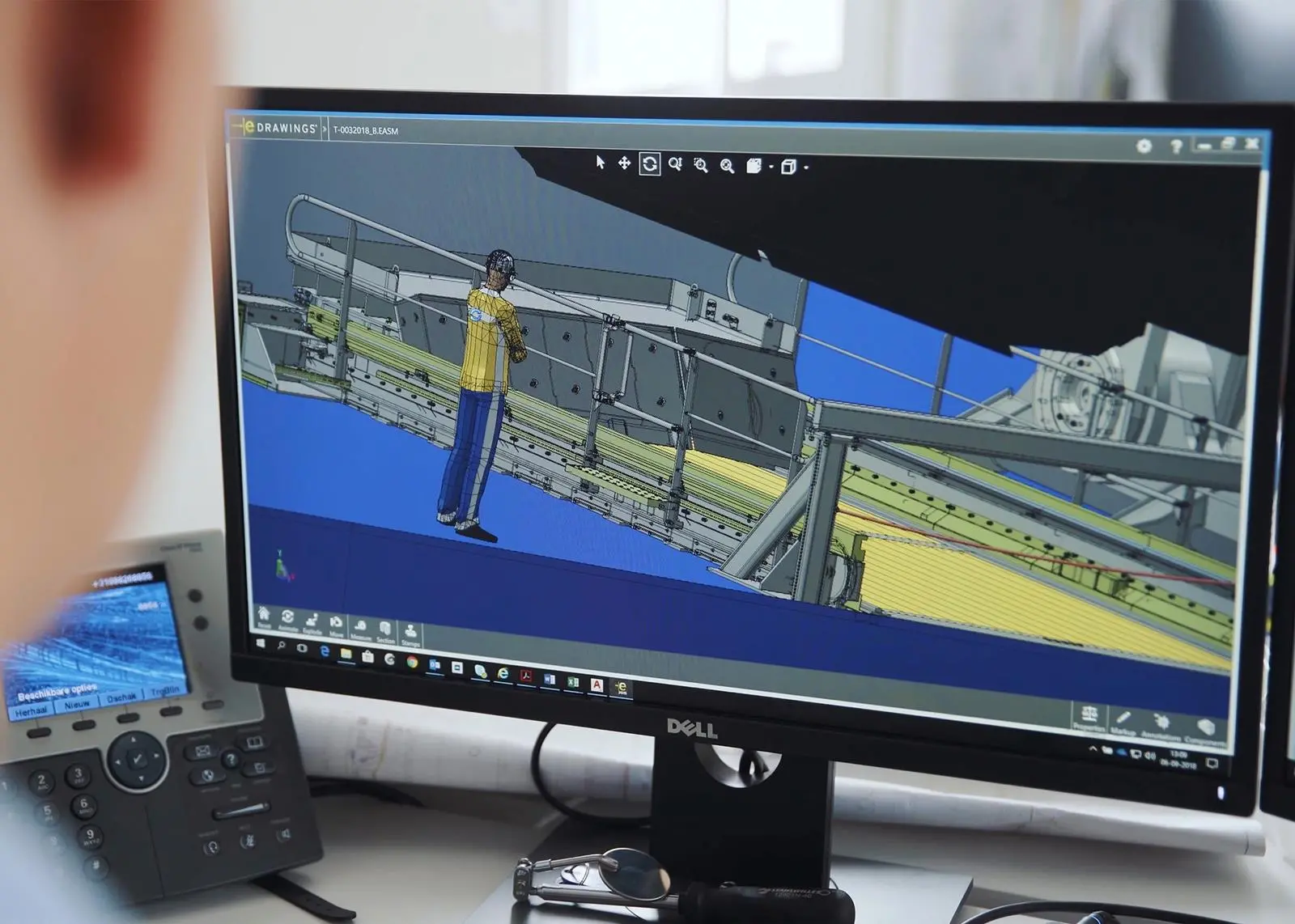
The solution reduces manual handling, and improves workplace safety for a vessel’s crew. On Van Oord’s TSHD Vox Amalia, the automated debris removal platform safely removes debris from the deck, using a bulldozer blade to push the debris overboard. This solution has already been recognised for its innovative qualities, earning Van Oord the IADC Safety Award 2018 from the International Association of Dredging Companies. Meanwhile, the bulldozer blade is driven by an innovative TECDOS PI-GAMMA 2-in-1 chain drive solution made by RUD Ketten Rieger & Dietz GmbH, a long-standing Van Oord collaborator based in Baden-Württemberg, Germany.
Improved safety
During dredging, debris can fill the trailing draghead of a trailing suction hopper dredger. When the suction pipe is brought back on board, debris that was trapped in the draghead will then fall onto the deck. This debris can range from large boulders to sticky clay and needs to be removed from the vessel. The debris removal platform has performed this task since 2020. While developing the platform, the aim was to increase safety for the vessel’s crew. A bulldozer blade, driven by RUD TECDOS chains, simply pushes the debris back into the sea, at the touch of a button. So far, the Vox Amalia is the first vessel in the Van Oord fleet to be fitted with the innovative debris removal system.
“This debris removal platform has given us a safe and effective way of removing debris from the vessel”, said Maarten van Duijn, Technical Superintendent at Van Oord. “This innovation has reduced the risk of harm to the crew working on board considerably. By taking safety into consideration in the design phase, hazardous working conditions during operations can be eliminated or significantly reduced. This is the most effective way of risk control.”
TECDOS PI-GAMMA: the 2-in-1 chain drive solution
On the Vox Amalia, the bulldozer blade is moved by RUD’s innovative TECDOS PI-GAMMA chain drive solution. The 2-in-1 chain drive solution was developed specially for vertical and horizontal applications and has a chain loop angle of between 90° and 180°. On Van Oord’s Vox Amalia, it is being used with a 180° chain deflection. The TECDOS drive system installed on the vessel can handle loads of up 13 tonnes. “The drive system in use at Van Oord is, generally speaking, a standard application”, explained Heribert Herzog, Design Engineer and Applications Engineer in RUD’s Conveyor & Drive division. “The chain sprocket, which has 14 teeth, had to be a bit bigger than usual, as the distance between the chains was fixed by the options for attaching them to the bulldozer blade.”
Robust components for reliable maritime applications
The TECDOS PI-GAMMA drive solution is based on a high performance round link chain. The chain runs over a drive shaft that is completely free from other forces. Both the round link chain and the chain sprockets used by Van Oord have been manufactured from case-hardened steel, for use in a maritime environment. “Robustness is the most important criterion by far, for drive systems that are used in maritime and offshore environments. This is because components are exposed to extreme conditions, caused by wind, salt water and sand, and have to withstand them effectively”, explained Herzog. “The debris removal platform’s drive system simply must not fail”, he concluded.