Western Bulk buys first carbon offset biofuel
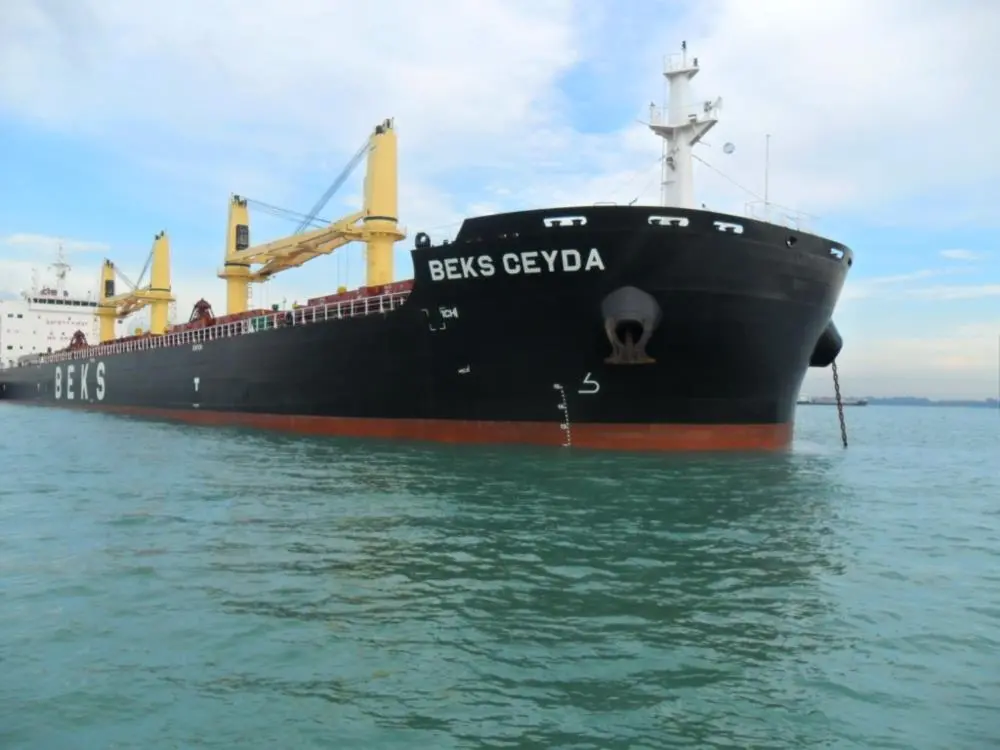
TFG Marine supplied 750 mt of B30 VLSFO bunker fuel to the Beks Ceyda bulk carrier in the Port of Rotterdam, with the full lifecycle emissions from the production, supply and consumption of the B30 fuel compensated with carbon credits.
By blending biofuel into traditional VLSFO, 750mt of B30 grade marine fuel was supplied bulk carrier, reducing greenhouse gas emissions by approximately 25% when compared to traditional VLSFO. The remaining carbon emissions associated with the 750 mts of the delivered B30, around 2,200 mt of CO2e, were then offset with high quality nature-based Verified Carbon Standard credits with triple gold CCB (Climate, Community, Biodiversity Standards) certification.
TFG Marine is the global marine fuel supply and procurement joint venture between Trafigura Group and shipping firms Frontline and Golden Ocean and now regularly delivers biofuels to customers in the ARA region. Kenneth Dam, TFG Marine’s Global Head of Bunkering, said: “We assist customers with the measurement and reporting of the emissions associated with each voyage and offer a range of carbon reduction initiatives to help them achieve their emissions reduction goals.”
“Being able to combine biofuel with carbon offsets to reduce our carbon footprint is an important new tool for our business,” said Jonas Larsen, Head of Bunkers and Derivatives for Western Bulk. “Our industry needs to adapt to the required reduction in greenhouse gas emissions. This delivery shows that we are moving in the right direction, as we were able to sail the Beks Ceyda for almost two months and complete two voyages with a combined greenhouse gas impact close to zero. TFG Marine is an important counterparty for Western Bulk in our journey as we adapt to the needs of tomorrow.”
Earlier in February, TFG Marine reported that the joint industry project launched in June 2021 to test the biofuel blend (B30) on a d’Amico Group LR1 product tanker was successful. The results of the trials showed that the biofuel B30 blend is a viable solution to comply with EU fuel regulations being introduced from 1 January 2025 on the use of renewable and low-carbon fuels in maritime transport. The trials also showed that depending on the scale up of feedstock production worldwide, adding the biofuel blend as a “drop in” to traditional maritime fuels is a viable measure to reduce emissions.
The trial results were:
- a 4.3% reduction of CO2 emissions per ton of fuel and a resulting CII (gCO2/dwt tonne mile) of 3.99, with an improvement of 3.5% using very low sulphur fuel oils allowing an “A” vessel rating until 2026.
- confirmation from class and flag state that the biofuel blend B30 does not affect the Tier II certification of the engines for NOx compliance. Both main engines and diesel generators were tested for NOx compliance using the data measured allowed by the NOx technical code.
- an effective CO2 emissions reduction per ton of fuel by 3%, applying the Defra methodology. This methodology was used in anticipation of the approval of the WTW analysis framework by the IMO and awaiting from the IMO clear indications on which methodology will be applied.
The trials were conducted from June 19 to July 6, 2021 on board the d’Amico Group LR1 product tanker vessel Cielo di Rotterdam. The d’Amico Group has now certified all its LR1 vessels to operate permanently with the B30 biofuel blend through its Flag administration. The Group also intends to certify its entire fleet and to test biofuel B40 and B50 following the same methodology during 2022.