



Cross-channel merger between OCEA and Wight to extend reach
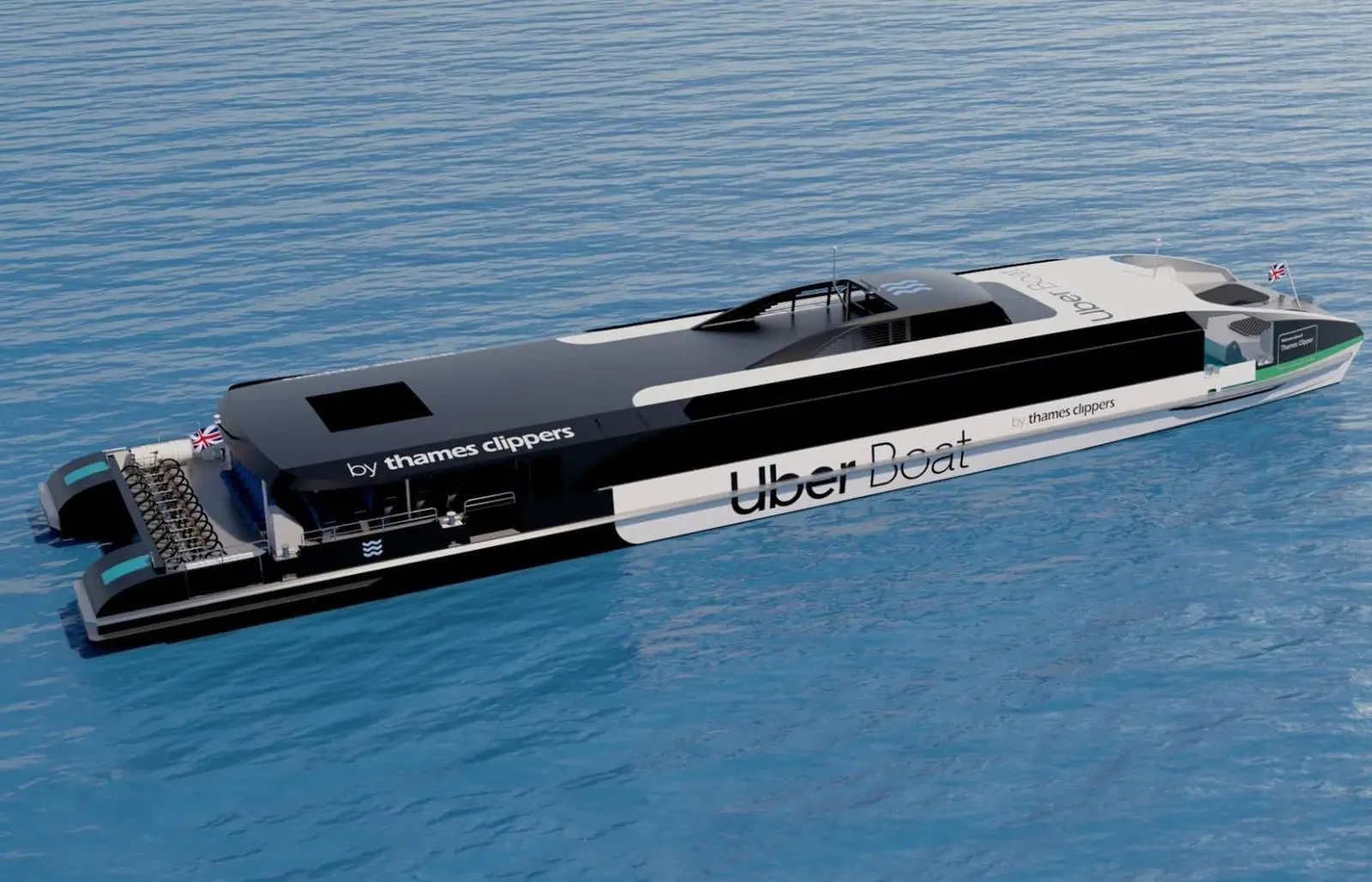
The decision by Uber Boat by Thames Clippers to award Isle of Wight-based boatbuilder Wight Shipyard the contract for two battery-hybrid fast passenger ferries in January 2022 was a vote of confidence in the yard. Wight had previously supplied three catamarans to client since 2017.
Mumford cited Wight’s previous experience with smaller hybrid vessels – such as a 9 meter-long patrol boat, “which was our demonstrator project”, as well as the world’s first hybrid surface-effect CTV, as learning experiences. “What’s nice about building these two Uber Boat by Thames Clipper hybrid vessels, is that they’ll be our first hybrid ferries. So, we’re taking the experience we’ve gained in the small patrol boat and the CTV and applying everything we’ve learned from that to ferries, which is our core business.”
The vessels will be powered by MAN Energy Solutions’ 4-stroke engines with an integrated SCR, which will ensure Tier III compliance. A compact energy storage solution being used for peak shaving outside the central London emissions control zone. “The engines can be used to recharge the batteries outside the zone, and then the battery system can be used to power the vessel when the vessels are operating within inner London’s ultra-low emissions zone.”
The vessels are expected to spend around half their time within the ultra-low emissions zone. Mumford noted that a full-electric solution was impractical because of the length of the route, which can extend up to 24 piers during the rush hour between Putney in London’s southwest and Woolwich downriver to the southeast.
The decision to opt for a hybrid solution had been dictated by the fast river ferries operating pattern of repeated short stops. “The other thing is through central London, the infrastructure for charging, high speed charging, every single pair just isn’t there at the moment.” The two factors prevented Uber Boat by Thames Clippers from specifying full-electric propulsion. However, other projects were under consideration in the UK, including a potential full-electric cross-river Thames ferry project.
“That is a project that, subject to the feasibility study, looks very possible to do with today’s technology, which would be really exciting.”
Mumford noted that the Uber Boat by Thames Clipper project was interesting as it would be the first zero emission passenger vessel operating in central London. “I think Uber Boat by Thames Clipper needs to be commended on the fact that they are a private company who are getting on and pushing the possibilities of hybrid and future propulsion technology without being pushed by the government. They’re getting on and doing it.”
“Building a hybrid vessel is significantly harder than building a fully electric vessel, because you’ve got all the complexities that come with internal combustion engine, as well as the electric propulsion side and the battery management system. So, these hybrid projects set us up really well to build fully electric vessels…”
Looking at the commercial situation, Mumford noted that the market was very bullish, with a strong pipeline of upcoming orders on the ferry side. “Lots of the interest is coming from export markets that are not being driven by regulation, outside Europe”. Within Europe, there are a number of countries with ageing fleets, where we expect to see fleet renewal orders in the coming period.
Two becomes one
Mumford confirmed that the owners of the privately-held France-based shipbuilding group OCEA and Wight’s owners had agreed to a merger between the two groups.
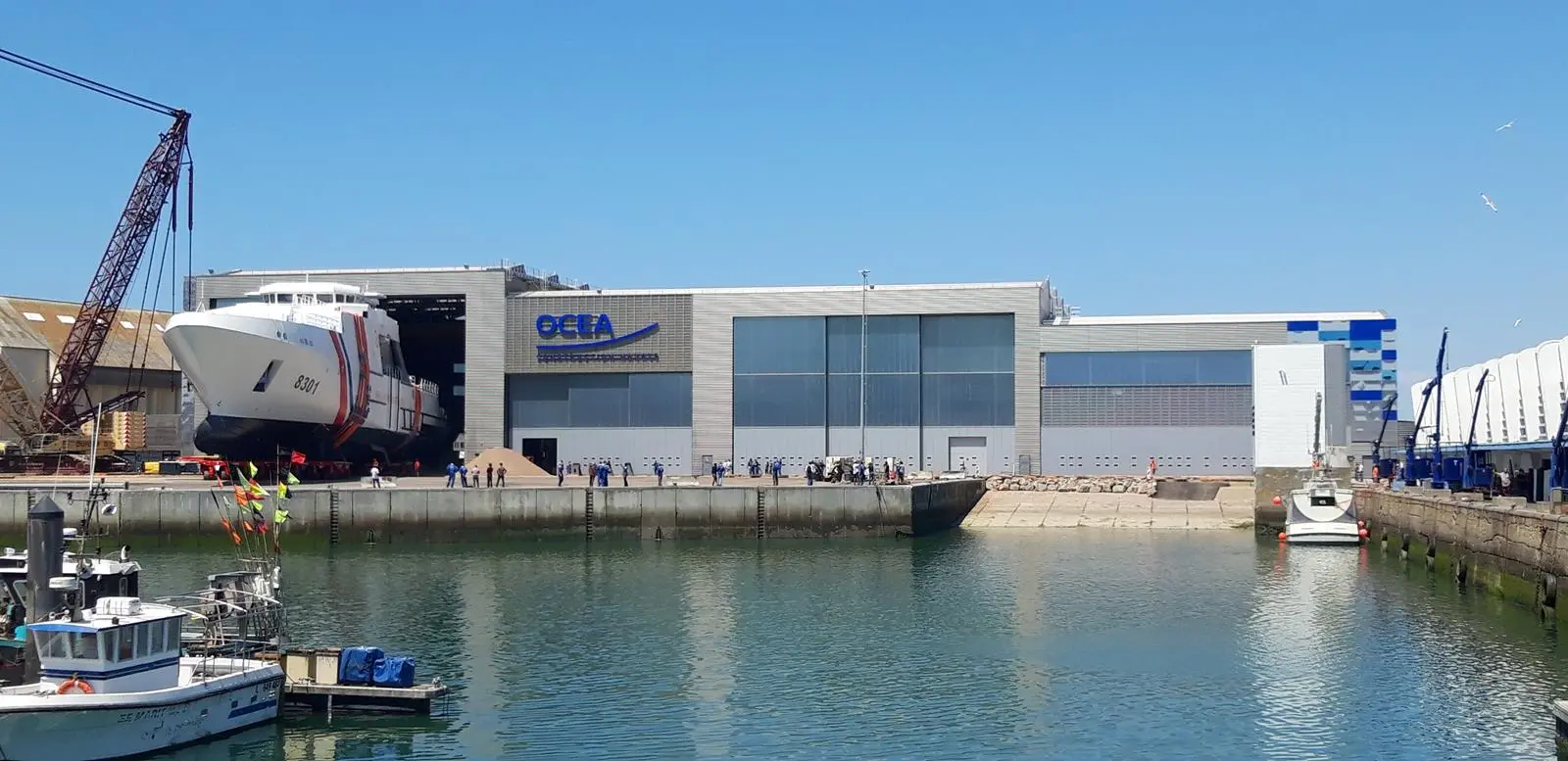
The deal is scheduled to complete by March 2022. The agreement will extend the scope of vessels produced by Wight, which specialises in aluminium high speed ferries, while OCEA has a strong track record in the, multipurpose workboat and smaller passenger vessel markets.
Like Wight, OCEA has a strong focus on export markets, and operates small facilities in the Caribbean and the Philippines. Mumford noted that the two companies had complementary skill sets, and had gained experience working together during the design phase of a few previous projects.
Wight’s plans to expand its production facilities, and expand its workforce on the Isle of Wight.
“I think the exciting thing is OCEA has… quite big plans in the UK. And we’d like to like to see our footprint increase, which will mean more jobs for UK workers on the other side.”
Related Articles
 ELECTRIFICATION AND BATTERY HYBRIDS
 ELECTRIFICATION AND BATTERY HYBRIDS
 ELECTRIFICATION AND BATTERY HYBRIDS