



Boskalis to retrofit energy storage systems on offshore vessels
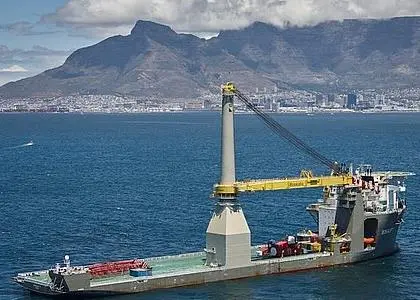
The conversions will reduce the vessels’ fuel consumption and associated carbon dioxide and nitrogen oxide emissions by an average of up to 20% and will be used to supply energy while the vessels are docked and contribute to quieter and more efficient operations offshore.
The modifications, which will be completed over the next two years, will be carried out on the crane vessels Bokalift 1 and Bokalift 2, two construction support vessels and two diving support vessels, all of which have dynamic position DP2 capabilities.
Boskalis already employs a range of technologies on board of its vessels, including special dashboards to enhance efficient fuel usage and the use of biofuels as an alternative to fossil fuels. Within Boskalis’ fleet of trailing suction hopper dredgers, these measures have contributed to a 20% reduction in the vessels’ carbon intensity since 2011.
Boskalis is committed to reducing its emissions in the near term using currently available technologies and to becoming climate neutral across its global operations by 2050.
The company is a member of a consortium accelerating the use of methanol as an alternative fuel. The program, Methanol as an Energy Step Towards Zero-Emission Dutch Shipping, is sponsored by the Dutch Government’s Rijksdienst voor Ondernemend Nederland (Netherlands Enterprise Agency). The research project aims to develop clean energy technology with a high degree of flexibility and broad applications within the shipping industry, from yacht building to offshore work ships and high-powered dredgers.
The total research budget amounts to approximately EUR 38 million including a contribution from Boskalis. The consortium, which includes ship owners, yards, suppliers of specialist maritime equipment and knowledge institutions, will retrofit six different vessel types to test the viability of methanol fuel systems.
Boskalis is already part of a joint industry project known as the Green Maritime Methanol Consortium which has previously investigated the feasibility of methanol as a sustainable fuel for the maritime sector. A 2020 study supported by TKI Maritiem and the Dutch Ministry of Economic Affairs and Climate Policy demonstrated that the use of methanol is not yet economically viable for retrofit in Boskalis’ vessels, however further research is currently being carried out with regard to its suitability for newbuild vessels.
Related Articles
 ELECTRIFICATION AND BATTERY HYBRIDS
 ELECTRIFICATION AND BATTERY HYBRIDS
 ELECTRIFICATION AND BATTERY HYBRIDS