



Corvus Energy sets up US battery factory
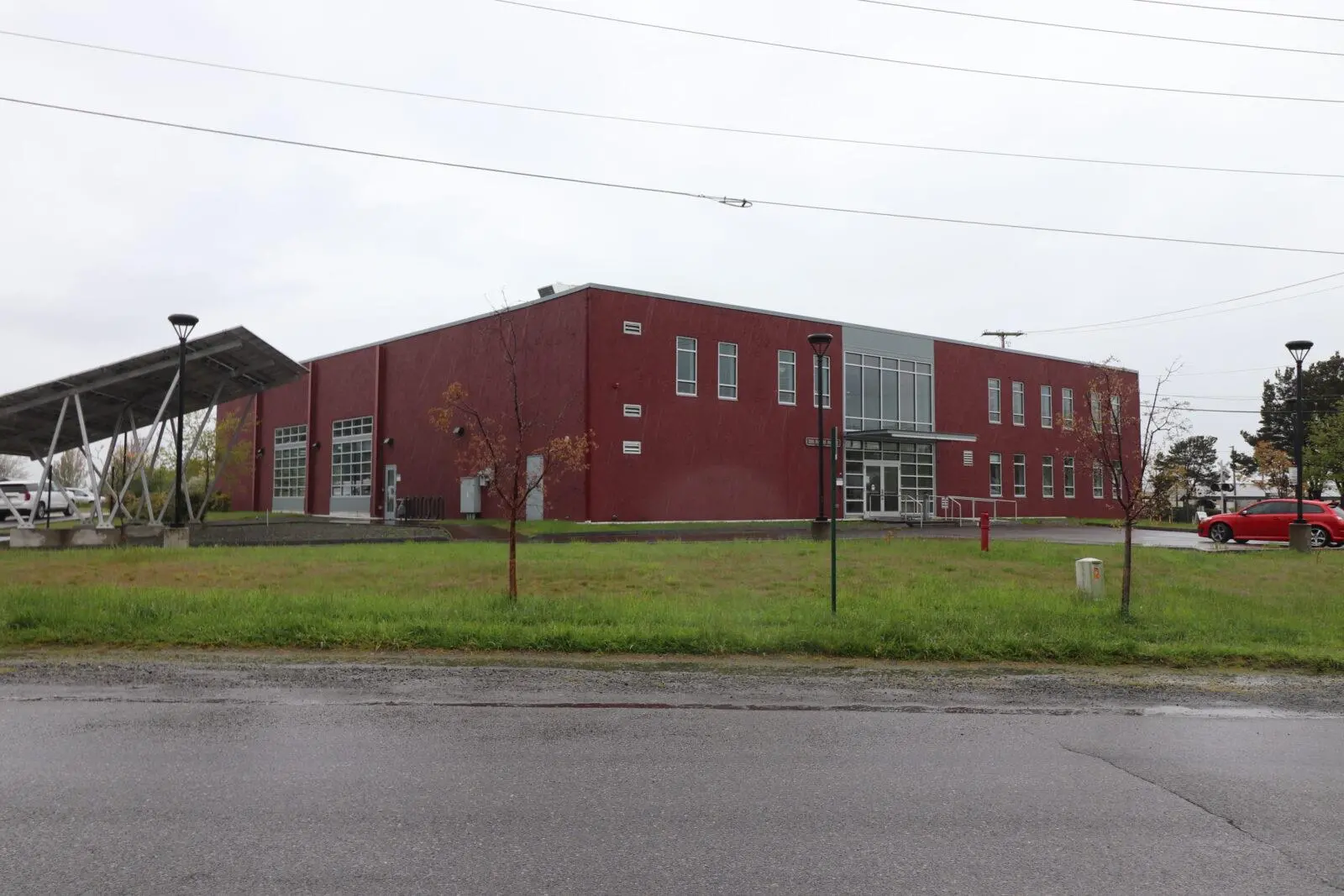
The US-based manufacturing facility, with an annual capacity of 200 MWh of stored energy capacity, will support demand for marine battery systems in the Americas as the marine industry accelerates its adoption of decarbonisation technology to meet global GHG emissions reduction targets. It will be located just north of Seattle in the Port of Bellingham.
Forecasts predict a $800 million market for maritime energy storage systems in 2030. Corvus is well-positioned, having amassed the largest installed base of maritime energy storage systems via more than 600 projects and millions of operating hours. Corvus has existing battery factories in Bergen, Norway and in Richmond, British Columbia, Canada, and a sales and service network serving Europe, North America and Asia.
Corvus energy storage systems are already deployed to more than 30 vessels in North America, as well as 29 hybrid port cranes and 11 land-based drilling rigs. Recently, the company have seen increased demand in the tug industry and is participating in the first all-electric tugs in both Canada and USA. The HaiSea Marine tugs will serve the LNG export terminal in Kitimat BC, and the Crowley e-Wolf currently being built at Master Boatbuilders will serve the port of San Diego.
The company expects continued strong growth in all market segments, in particular: offshore wind and oil and gas support vessels, tugs and workboats, Ro-Pax and Ro-Ro ferries, tour boats and passenger ferries, and coastal and inland cargo vessels.
Geir Bjørkeli, CEO of Corvus Energy, said, “We have seen a significant uptake in orders from the US market as well as a growing commitment from the government and industry players on reducing GHG emissions. Increased capacity and production flexibility will be key to meeting anticipated growth. The US factory, along with a more robust sales and service organization, will ensure that we can meet American shipowner’s goals and market demand, providing better services to the US maritime industry.
“Washington State was a natural choice for Corvus due to the presence of a strong maritime cluster, the state’s focus on green shipping, and the proximity to our large team near Vancouver, Canada. We know that a US presence and close collaboration with shipyards, shipowners, Washington Maritime Blue and other suppliers and service providers foster innovation across the entire industry and build valuable competence.”
Corvus estimates that over one billion kilograms of CO2 have already been abated from the use of its energy storage systems.
Related Articles
 BATTERIES, SUPERCAPACITORS, FUEL CELLS AND OTHER ENERGY STORAGE TECHNOLOGY
 BATTERIES, SUPERCAPACITORS, FUEL CELLS AND OTHER ENERGY STORAGE TECHNOLOGY
 BATTERIES, SUPERCAPACITORS, FUEL CELLS AND OTHER ENERGY STORAGE TECHNOLOGY