MOL conducts carbon-offset voyage with car carrier
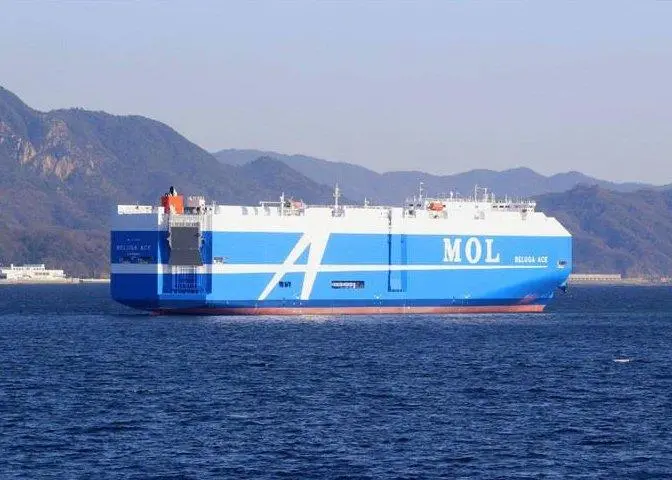
Completed cars from Mazda Motor Corporation were loaded on the MOL-operated Beluga Ace. The vessel departed the Port of Hiroshima on 18 April and arrived at the Port of Bristol on 28 May.
CO2 emissions during the voyage reached about 4,000 tons including all processes from production through consumption of fuel oil. The calculation method of the volume was properly by Bureau Veritas. The entire process, from calculating CO2 emissions including the verification process to compensating all CO2 emissions with carbon credits, was also certified by the third-party certification body Climate Neutral Commodity.
MOL used carbon credits generated from afforestation and reforestation projects in Ghana and China for this initiative. Both projects are certified by the international carbon credit standard management body Verra, and the credits were generated within the past five years. These projects contribute to removing CO2 from the atmosphere as well as biodiversity conservation and job creation for local communities.
MOL Group aims to achieve net zero GHG emissions by 2050, and later in June, MOL Drybulk will start sea trials involving biofuels for the Panamax bulk carrier C.S. Olive chartered from Chugoku Sougyo. MOL has signed a deal for biofuel supply with Chevron Singapore, and about 500 tons of ISCC (International Sustainability & Carbon Certification) certified biofuel will be bunkered on the vessel at Port of Singapore. The biofuel supplied by Chevron Singapore is blended with used cooking oil methyl ester as a 20% to 24% component in VLSFO. This biofuel can be used on vessels without changing engine specifications and is expected to decrease CO2 emissions by approximately 15% to 20% based on lifecycle analysis.