DHL Global Forwarding and Hapag-Lloyd agree on biofuel
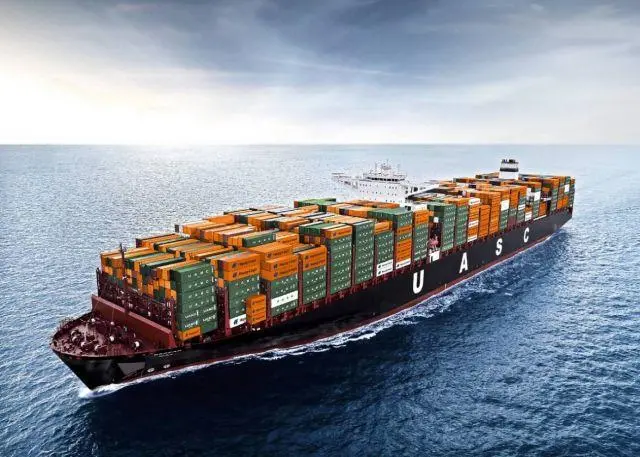
The use of advanced biofuels for this shipment is equivalent to a reduction of 14,000 tons of Well-to-Wake CO2 emissions. The companies aim to demonstrate the scalability of sustainable transport solutions.
Advanced biofuels are based on raw biological materials, such as used cooking oil and other waste products. This material is used to manufacture a fatty acid methyl ester (FAME), which is then mixed with varying proportions of low sulphur fuel oil. Compared to standard fuels, this pure biofuel product lowers greenhouse gas emissions by more than 80%.
“Biofuel will play a significant role in the upcoming years on our path to becoming net-zero carbon by 2045,” says Danny Smolders, Managing Director Global Sales at Hapag-Lloyd. “This project will bring us a step closer to offering our customers biofuel-powered transportation as a commercial product and thereby to supporting them in their efforts to reduce their carbon footprint.”
In line with DHL’s and Hapag-Lloyd’s sustainability strategy to achieve net-zero emissions by 2050 and 2045 respectively, both companies are committed to providing sustainable logistic solutions and access to sustainable fuels that will support decarbonizing the industry.
“Together we want to pave the way for Book & Claim and insetting mechanisms to make it easier for shippers to use sustainable fuels,” says Dominique von Orelli, Global Head of Ocean Freight at DHL Global Forwarding.
Hapag-Lloyd has been testing advanced biofuels since 2020 and offers a carbon reduced transport solution utilising biofuel blends instead of traditional fossil marine fuel oil (MFO). The resulting reduction in carbon dioxide equivalent (CO2e) emissions can be offered as a “Green Product” on a teu basis and thereby transferred to customers in order to help reduce their Scope 3 emissions.
DHL’s GoGreen Plus service offers customers various solutions for minimizing logistics-related emissions and other environmental impacts along the entire supply chain. Therefore, CO2 emissions are reduced in both air and ocean freight, and additionally, the remaining part of the supply chain is made climate neutral by full lifecycle emission compensation.
With the “Book & Claim” mechanism, DHL can pass on the benefits of lower greenhouse gas emissions (Scope 3 emissions) to its customers. The product offering GoGreen Plus is part of the Group’s mid-term sustainability roadmap for 2030 and contributes to the sub-target of having at least 30% of fuel requirements covered by sustainable fuels. To reduce CO2 emissions in line with the Paris Climate Agreement, the Group will spend €7 billion in sustainable fuel and clean technologies by 2030.