



Project aims to optimise combined use of fuel cells and batteries
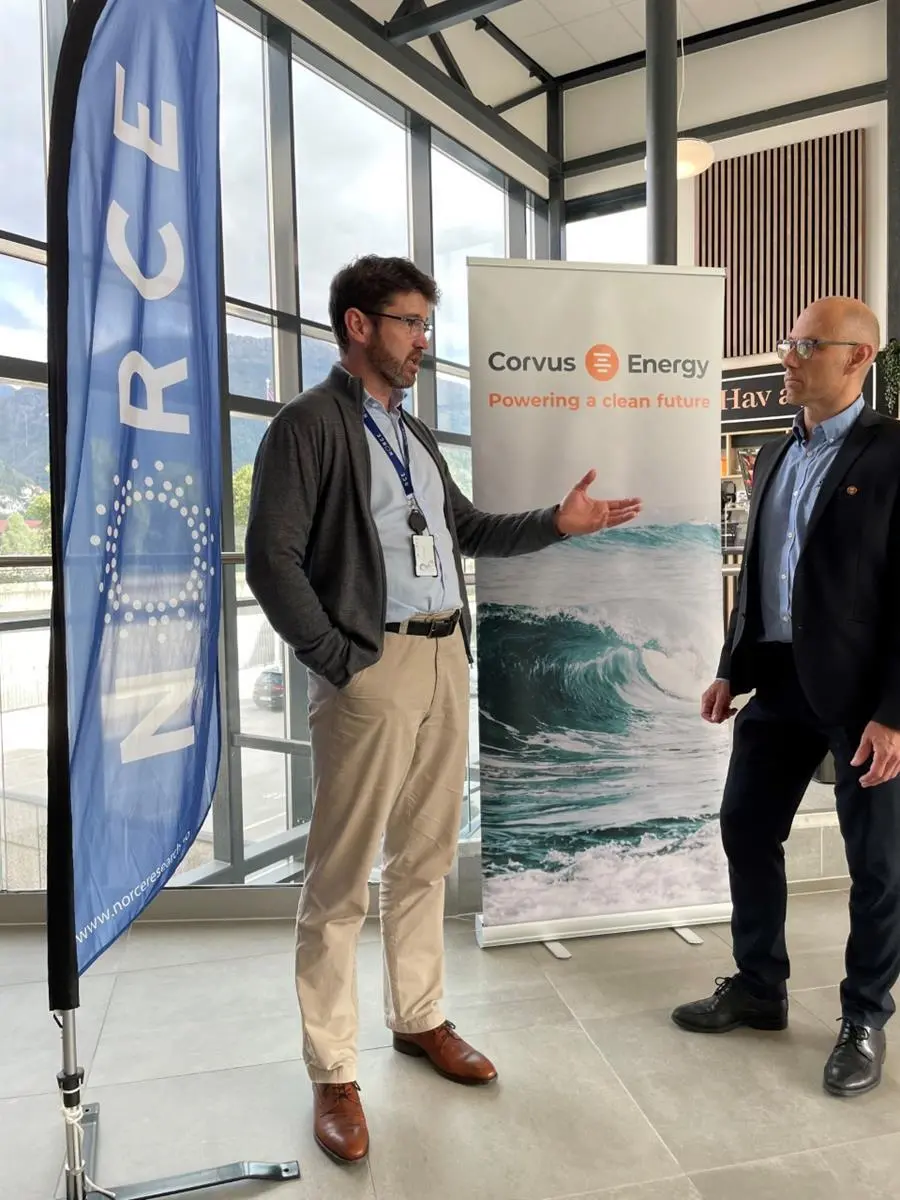
Corvus Energy joins with research institute NORCE and other partners for the project which has been awarded 13,9 million NOK in funding. The partners aim to improve the operation of hydrogen-driven marine vessels in order to reduce costs and extend the lifetime of both the hydrogen fuel cells and the batteries in hybrid configurations.
“The lifetime of current fuel cell installations and high cost of hydrogen are barriers for upscaling the hydrogen-driven vessel,” says Svenn Kjetil Haveland, Vice President of Development Projects at Corvus Energy. “By solving this we can accelerate decarbonization of shipping.
“The knowledge gained, as well as the models and systems developed through the OptHyMob project, will enable cost-effective use of hybrid fuel cell-battery systems applied for ship propulsion. Through increased efficiency, and extended lifetime of the systems, the total cost of ownership will be reduced. which is essential to the maritime industry’s progress toward zero-emission fuels.”
A vessel’s power usage and energy consumption will vary a lot for different operational modes, such as acceleration and transit, and also depend upon weather conditions and waves etc. In addition, the hydrogen consumption in a fuel cell system will vary depending on how the system is operated.
“Simply stated, a fuel cell system prefers a stable load, but the power requirement fluctuates rapidly. To increase the effectiveness and lifetime of the fuel cell system you also need batteries, and it is vital to optimize the continuous balance of power from the fuel cell system and power from the batteries,” Haveland explains. “The project will develop models and systems for real-time recommendations of optimal load distribution that system integrators may utilize in the power management system.”
The project partners are also working together on another Research Council funded project, titled “Energy efficient operation of hydrogen-powered vessels” (HyEff). It builds on the ongoing H2NOR project, funded in part by Innovation Norway, where Corvus Energy and partners will develop, demonstrate and certify an inherently gas-safe modularized maritime PEM-based fuel cell system based on technology from Toyota.
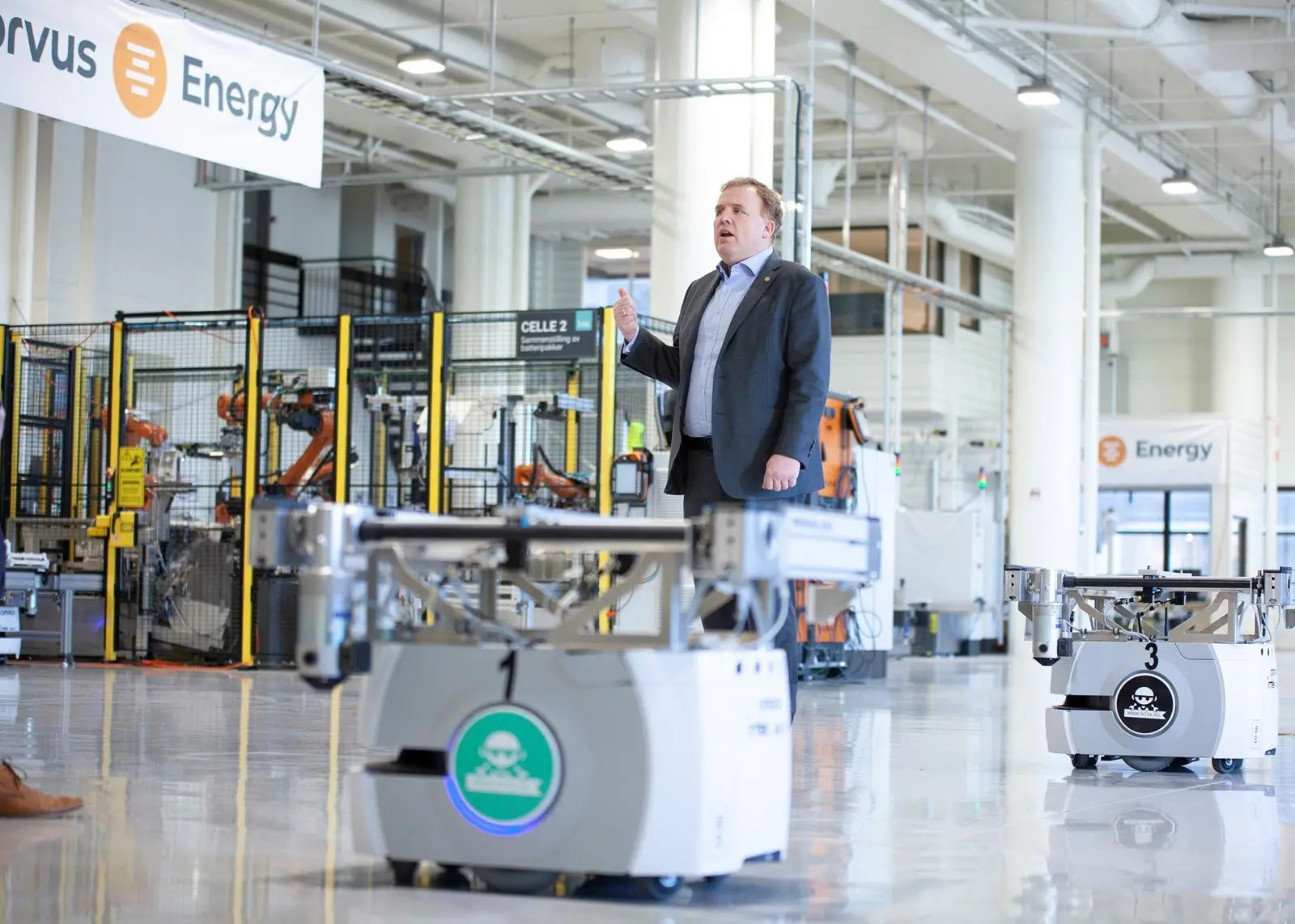
The projects will combine experimental and full-scale operational data to develop a cost-optimized system that can recommend the optimal load distribution between fuel cells and batteries applied for ship propulsion. Next-minute wave and load predictions will be developed using physics-based and data-driven models which will be implemented in an industrial clustered edge computing infrastructure.
In addition, research on degradation mechanisms in batteries and FC systems used in maritime applications will be performed to determine how these components affect each other and how they can best be combined to limit system degradation and extend system lifetime.
Related Articles
 BATTERIES, SUPERCAPACITORS, FUEL CELLS AND OTHER ENERGY STORAGE TECHNOLOGY
 BATTERIES, SUPERCAPACITORS, FUEL CELLS AND OTHER ENERGY STORAGE TECHNOLOGY
 BATTERIES, SUPERCAPACITORS, FUEL CELLS AND OTHER ENERGY STORAGE TECHNOLOGY