Rotterdam builds resilience using alternative fuels
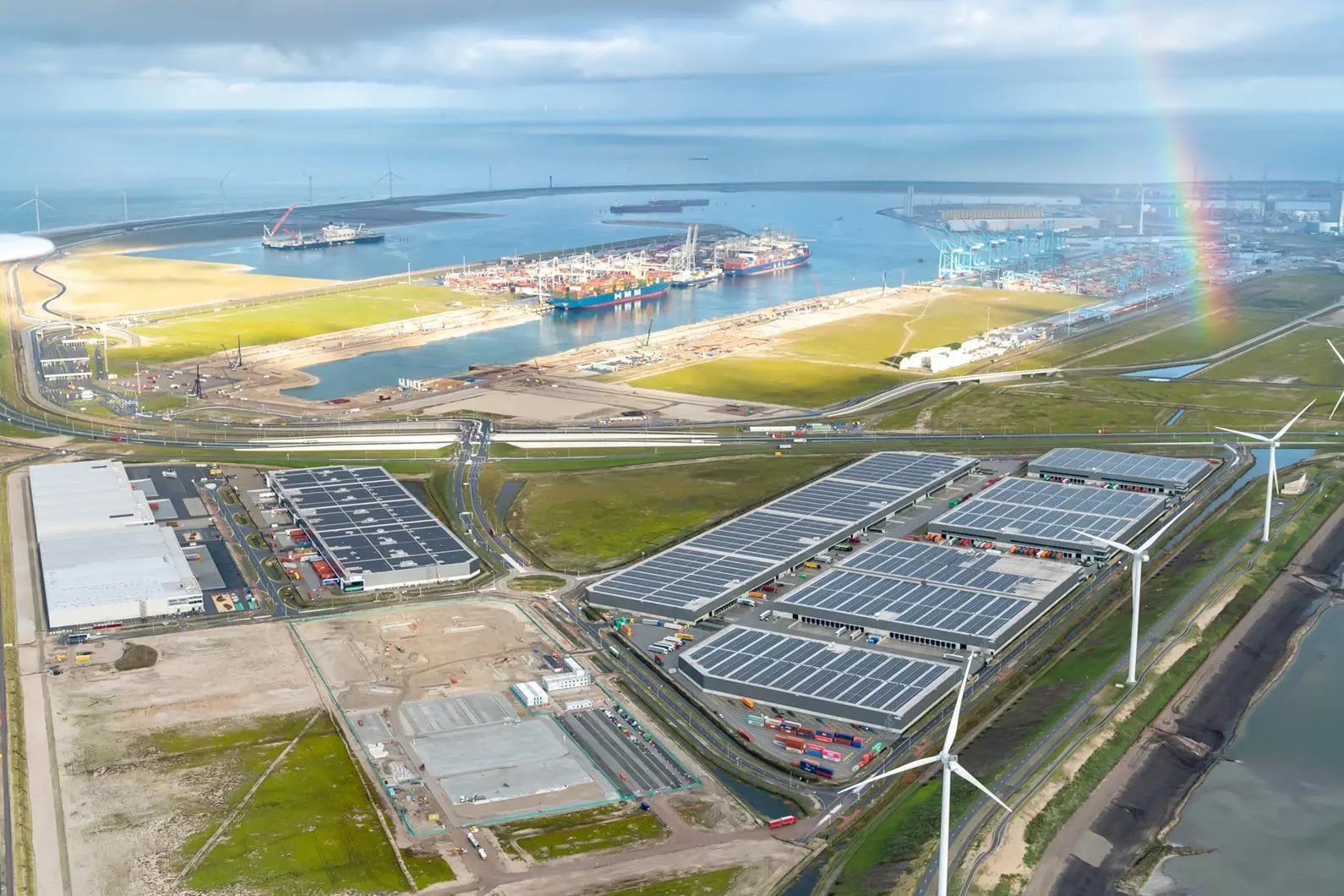
Figures show that the port’s throughput in 2022 remained virtually unchanged despite war and a weakening global economy.
“2022 was an extraordinary year in many ways. The war and the sanctions led to changes in energy flows around the world and high energy prices and therefore high inflation and the weakening of the economy,” said Allard Castelein, CEO of the Port of Rotterdam Authority.
”The war should work as an incentive to make Dutch and European energy and industry more resilient. That will mean accelerating the production of renewable energy and maintaining strategic industries. However, other factors are involved. They include the lack of progress on tackling nitrogen emissions, high energy prices in Europe, and the speed and scale of the efforts of the government of the United States to rack up the sustainability of its industry.”
Energy transition
A number of important energy investment decisions were made last year, the largest being those for a major biorefinery and Europe’s largest green-hydrogen plant.
In addition, companies made definitive decisions to expand an ammonia import terminal, to increase battery recycling capacity, to build a hydrogen refuelling station for trucks and to proceed with a range of shore-power projects. These investments add up to a total amount of approximately €3 billion.
The pipelines for the port’s hydrogen network have now been delivered. The first TenneT substation on the Maasvlakte, where electricity from offshore wind comes to land, is now in operation. Projects and investments of this kind mean that the energy transition is underway across the entire spectrum.
All the port’s projects now in progress add up to a potential reduction in carbon emissions close to 30 million tonnes by 2030. This volume represents 40% of the national reduction target.
But Mr Castelein said that one major concern remains, nearly four years after the Council of State put an end to the Dutch Nitrogen Reduction Programme (PAS), it is still unclear how the Netherlands will find a way out of the resulting impasse. Rotterdam accounts for only 1% of nitrogen deposition in Dutch nature areas.
It can therefore make only a limited contribution to the conservation and improvement of those natural areas. At the same time, industry in Rotterdam accounts for approximately 14% of Dutch carbon emissions and it plays a major role in achieving the climate goals. If industry is to implement sustainability projects, Mr Castelein said it needs some margin in terms of nitrogen emissions, for example for construction activities. In addition, a range of energy transition projects – such as the use of renewable fuels produced in the port and the use of hydrogen (imported and otherwise) – reduce nitrogen emissions outside the port.
With regards to the energy transition, the speed of change he said will be determined in part by how vigorously the Dutch government moves on the issue of nitrogen emissions.