Effective safety management through remote monitoring of inert gas systems

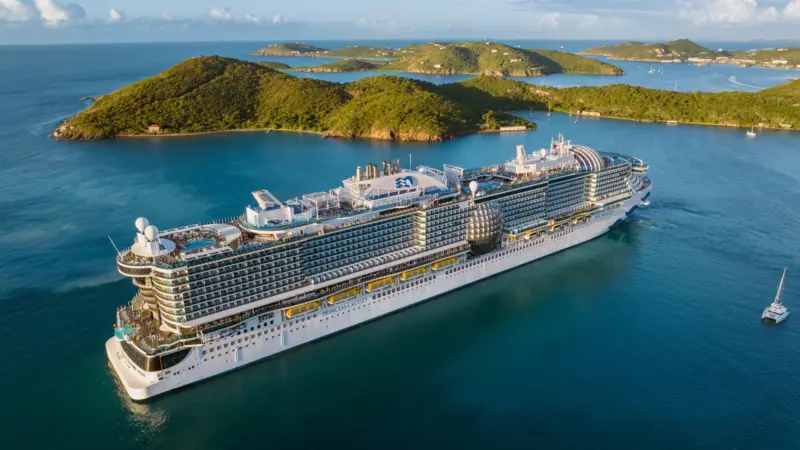
LNG carrier demand is set to climb further as new liquefaction capacity comes on stream in the US, Qatar and Australia. It is anticipated that with today’s fleet of LNG carriers operating at total capacity, the 300+ new ships joining the fleet are likely to be snapped up as soon as they hit the water.
In the face of unprecedented demand, it is no surprise that ship owners and operators are embracing new solutions and technologies to help manage resources and optimise operations. This is especially important when it comes to safety: effective and efficient management of safety critical systems such as inert gas (IG) systems is crucial.
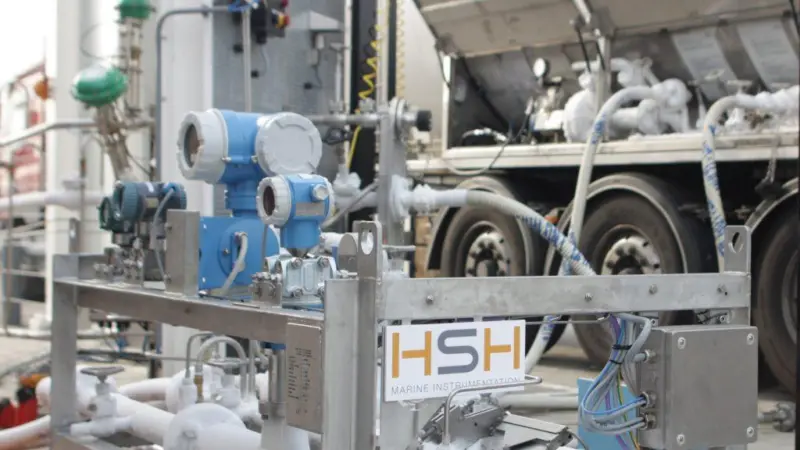
When dealing with flammable cargo, an IG system is essential. It prevents explosion in the cargo tank by maintaining a non-explosive atmosphere. Most operators use inert gas with an oxygen content of less than 5%. Ensuring the inert gas used in cargo tanks complies with oxygen content requirements has traditionally been a complex technical process for LNG tanker crews.
IG systems are live systems that are operated every time a vessel comes into port to verify that the oxygen content is within the prescribed limits. The penalties for non-compliance are significant. Ships may be prevented from entering terminals and forced to wait on the anchorage. They may also be delayed for essential maintenance if the inert gas produced on board fails to meet specific criteria.
A problem or a technical hitch that stops the system from working is effectively treated as an emergency, requiring urgent support from specialised technicians. The Covid pandemic exacerbated this problem, with travel restrictions preventing service engineers from boarding ships to conduct inspections and diagnose faults locally. A solution had to be found.
Leveraging digital technology
At Maritime Protection, leading Inert Gas specialists and a Survitec brand, we worked in close collaboration with a customer, a globally-trading LNG company with a fleet in excess of 100 tankers, to develop a solution.
From the outset, it was clear that ship owners and operators would not want yet another IT software system on board that would require regular updates, maintenance or repairs. Also, any solution would need to be easy to install and capable of being retrofitted.
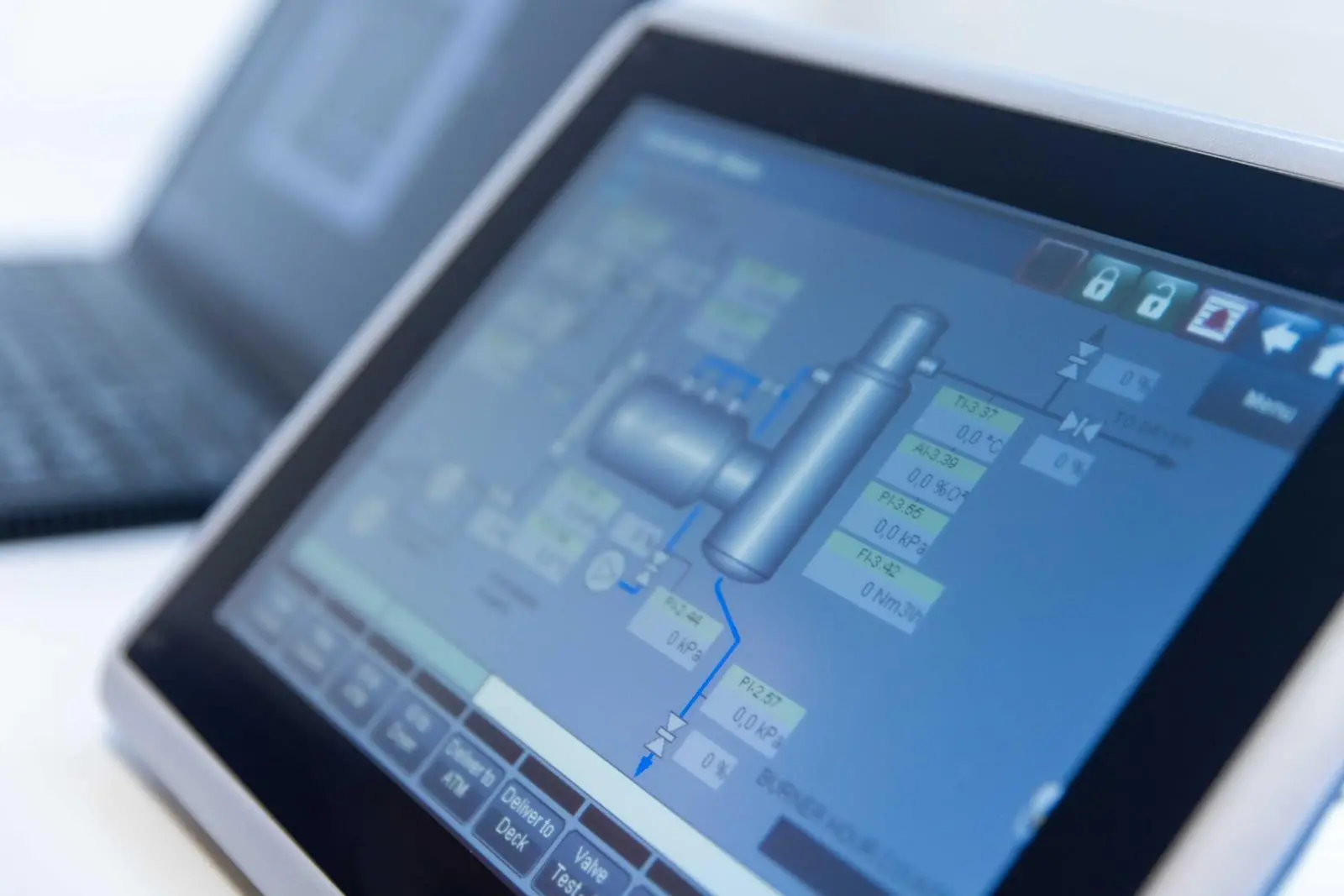
A solution was developed with this in mind, based on providing a simple programmable logic controller supplied in the mail, with clear instructions, ready for installation by a crew member. An annual fee-based leasing model would supply parts and service, including maintenance and repair.
A pilot project commenced early in 2022 and operated like an IT help desk. At the critical end of operations, in the event of a tool-down situation, system experts could dial in virtually, connect to the system and take control if necessary. In the event of a technical glitch, the IG system could be monitored remotely, allowing shore-based experts to oversee IG operations and ensure that the gas met safety requirements regarding gas volume and composition.
There are many typical use cases. For example, there are instances where LNG carriers have been preparing to dock and unload cargo, but the terminal authority has forbidden entry because the ship needs to prove that its systems comply with the safety requirements of the terminal. Also, incidents where ships have been delayed while safety systems are independently verified. With a remote support solution, shore-based experts can help shipboard personnel easily and quickly verify the system, whether it is a port authority, a repair yard, or a floating storage and regasification unit.
In a shipboard context, in a tool-down situation, experts can identify whether it is due to a faulty component and, if so, whether the component can be adjusted or bypassed. If a replacement part is needed, it can then be supplied at the next convenient port.
Another example is an LNG carrier on its way to drydock. In this case, cargo tanks must be dry and empty with zero risk of flammable gas, as only then will repair yard managers approve the ship to dock. Occasionally, IG systems have failed on the voyage to the repair yard. Ships have then been delayed, and penalties have built up because ships have not docked on time. A remote support solution can help ship operators avoid such a situation through timely, expert intervention.
Looking to the future
Before the advent of remote monitoring technology, Maritime Protection would typically receive a call from an asset owner asking technicians to attend ship as soon as possible. With more than 1,800 systems in operation, this could be a challenge: engineers might already be tied up travelling to and from other jobs. However, with a remote monitoring solution, engineers can access the system, diagnose the problem – and potentially resolve it – on the same day.
Remote monitoring can support routine operations too, such as tuning the system to improve fuel consumption and reduce emissions. On one tanker, we found that fuel optimisation alone helped to make savings of several thousands of dollars per day.
There is also potential to alleviate and improve working conditions for crew and support ship managers – for example, if seagoing personnel are suffering from fatigue and need to rest or have reached the limit of their maximum working hours, shoreside experts can provide timely support.
After a successful pilot project, the Maritime Protection remote support solution was installed and operates on a fleet of 32 vessels. Other owners recognise the value of this service and ordering systems for ships on order and for existing tonnage.
Physical rapid response is still available if and when required, but remote monitoring solutions offer customers an alternative digital solution that is immediate, convenient, and cost-effective.