BV AiP for LNG-fuelled VLCC design
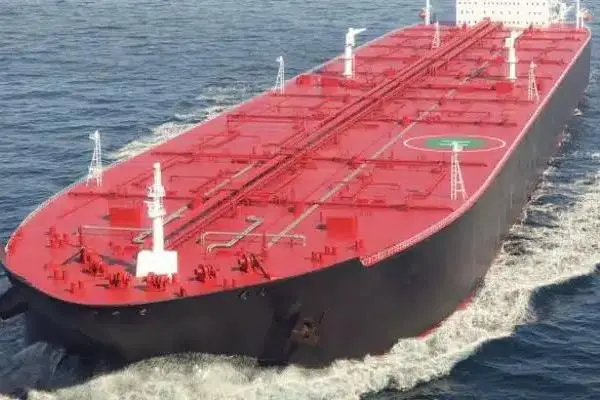
The approval was part of a Joint Development Project (JDP) between Shanghai Waigaiqiao Shipyard (SWS), GTT and BV. The design, which incorporates GTT’s Mark III membrane LNG fuel tank, will allow the vessel to make round trip voyages between the Middle East, Asia, and Europe with a single LNG bunkering operation.
SWS has designed a state-of-the-art vessel, including optimised hull lines and equipped with GTT’s high-technology system for LNG cargo containment, enabling safe and flexible carbon-neutral shipping. The great operational flexibility offered by this new 10,000 m3 capacity fuel tank concept allows ship-owners and charterers to make round trip voyages between the Middle East, Asia, and Europe with a single LNG bunkering operation. The fuel tank has been located below the main deck to avoid exposure to bad weather and the risk of piracy, while lowering the centre of gravity of the propulsion systems.
In addition to its operational benefits, the new LNG dual-fuel VLCC concept complies with the main environmental requirements. Its Energy Efficiency Design Index (EEDI) outperforms regulatory requirements (more than 37% below the reference line), its Nitrogen Oxide (NOX) emissions meet IMO Tier III requirements and its Carbon Intensity Index (CII) is projected to be rated “A”.
Adnan Ezzarhouni, General Manager of GTT China, declared: “We are delighted that Bureau Veritas, with which GTT has a long-standing close partnership, has granted us this AiP. Following our successful references in the field of LNG-fuelled container and cruise vessels, we are pleased to offer this LNG membrane tank solution suitable for the tanker market.”
Alex Greg-Smith, Senior Vice President Chief Executive, Marine & Offshore North Asia and China, Bureau Veritas, commented: “Our knowledge of LNG as a fuel was mobilised from the design phase of this dual-fuel VLCC. From plan approval to vessel classification, Bureau Veritas experts played a key role in ensuring this sophisticated tanker can take to the seas safely. Dual-fuel carriers pave the way for the future of the maritime energy transition. A new generation of VLCCs will contribute both to decarbonisation of the maritime sector as a whole and to the reduction of Scope 3 emissions in countless other sectors.”