



GE Power Conversion to cooperate with Nedstack in PEM fuel cell
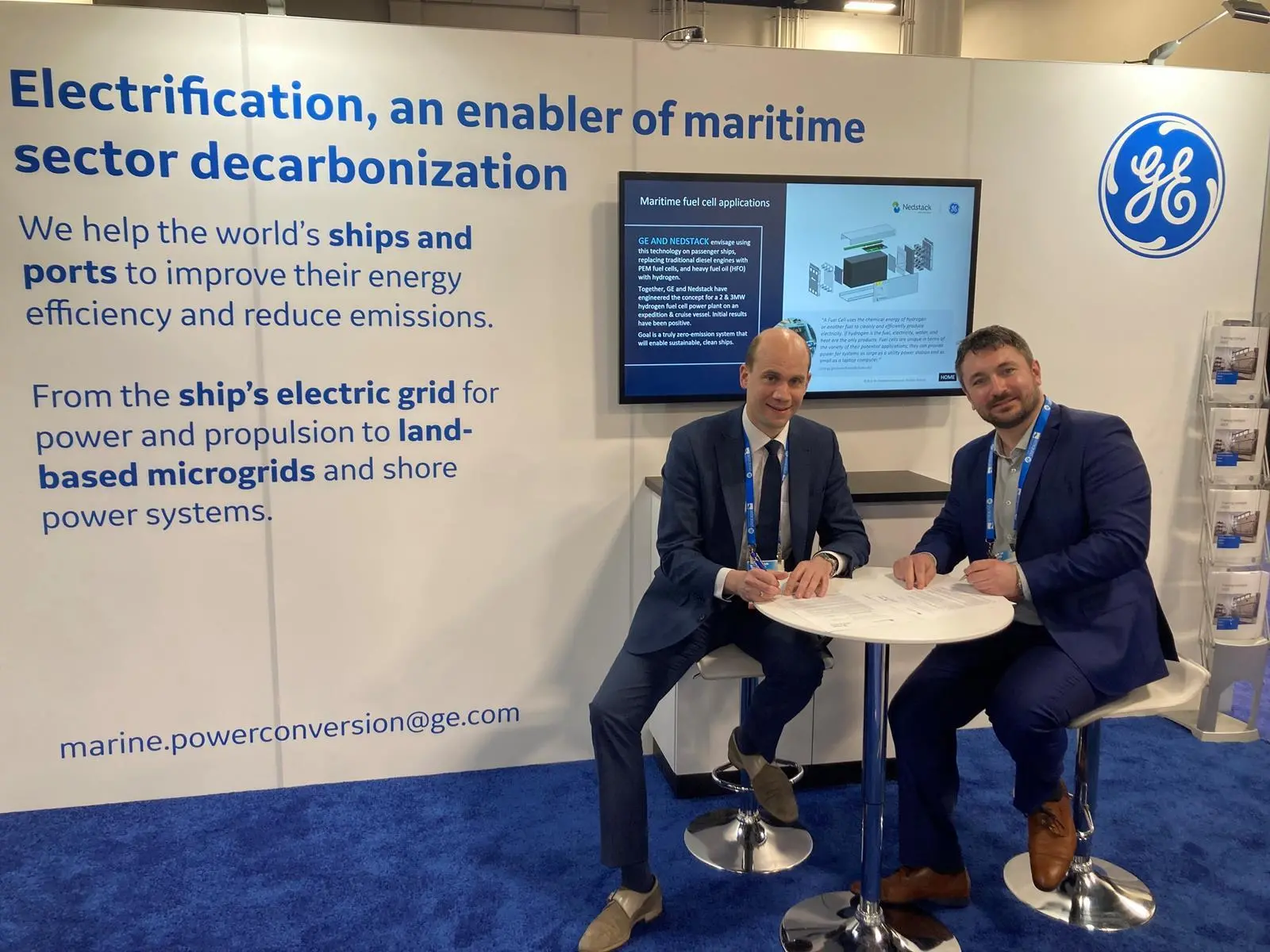
GE Power Conversion plans to integrate marine fuel cell technology into GE Power Conversion’s electric ship system, replacing traditional diesel engine power sources with fuel cells, and fuel oil with hydrogen. Together, GE and Nedstack have engineered the concept for a 2 MW hydrogen fuel cell power plant on an expedition cruise vessel, with initial results being positive.
Loïc Thiébaut, Senior Sales Leader at GE Power Conversion, explained: “Bringing fuel cells into mainstream maritime fleet use is not just about technology development; we are taking a practical, overall system view, integrating the fuel cell into the ship’s power network, whether for our electric propulsion or for on-board auxiliary power generation on larger ships. This means working on performance, functionality and scalability within the power network, safety, interfaces and energy management. That’s where our ship’s electric grid and systems know how comes in.”
Jogchum Bruinsma, Chief Commercial Officer at Nedstack Fuel Cell Technology, adds: “Hydrogen fuel cells offer a true zero emission solution for shipping providing high power and range. Nedstack’s technology is already deployed in commercial shipping and with our new factory we will be able deliver hundreds of MW per year to the maritime industry. But our energy transition is all about cooperation and therefore we are honored by the trust of a renowned system integrator like GE and jointly provide solutions for the future, today.”
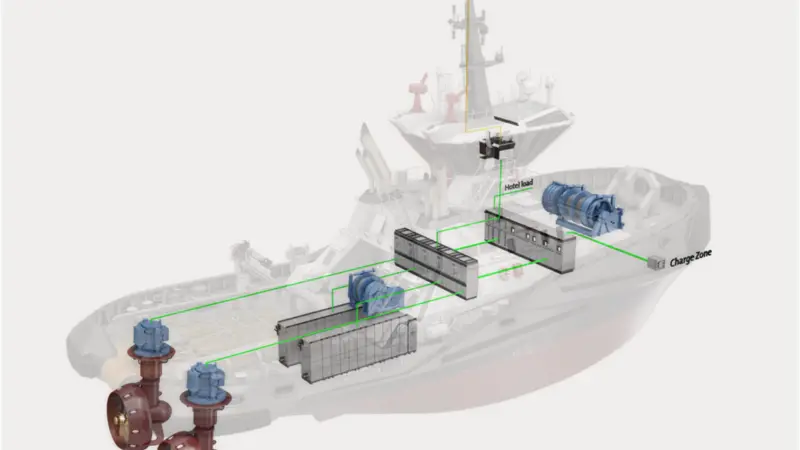
GE’s variable speed drives, electric architectures, energy storage systems and dedicated power distribution and energy management systems are engineered to help optimise both vessel operations and power system performance. For example, frequently switching fuel cells on and off can reduce life expectancy and GE’s controls limit the switch on-and-off frequency of the fuel cells when sailing or in port. Benefits include improved control and efficiency, direct management of the electricity produced by hydrogen fuel cells and extended fuel cell lifespan.
Related Articles
 BATTERIES, SUPERCAPACITORS, FUEL CELLS AND OTHER ENERGY STORAGE TECHNOLOGY
 BATTERIES, SUPERCAPACITORS, FUEL CELLS AND OTHER ENERGY STORAGE TECHNOLOGY
 BATTERIES, SUPERCAPACITORS, FUEL CELLS AND OTHER ENERGY STORAGE TECHNOLOGY