Spanish port rolls out biofuels for ferries
It is the first time that Spanish passenger vessels have used this kind of fuel, which is known as second-generation biofuel, produced by oil and gas firm Cepsa.
“We continue to promote sustainable mobility as one of the pillars of our strategic growth,” said Samir Fernández, director of Marine Fuel Solutions at Cepsa.
“With initiatives like these and the ones we are rolling out in air and rail transport, we are progressing towards our goal of becoming the leading biofuels producer in Spain and Portugal, while facilitating the decarbonisation of our customers in the maritime sector.”
Energy transition
Eighty-four trips on Naviera Armas Trasmediterránea ferries will be fuelled by the biofuel in August.
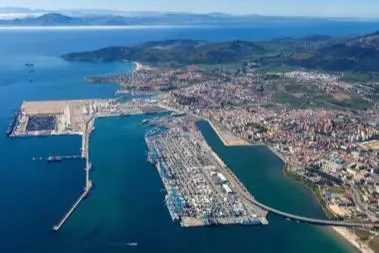
The fuel is being produced at the San Roque Energy Park (Campo de Gibraltar, Cádiz), where Cepsa has transformed one of its plants to enable it to produce 2G fuels via co-processing.
Tracy Rucinski, from Cepsa’s International Media Relations team, said that although costs are higher in producing biofuels – initially, at least, they will provide reduced emission taxes, among other benefits.
“Biofuel production can be more expensive than fossil fuel production in terms of direct production costs, as they require upfront investment in technology and equipment, as well as additional costs associated with feedstocks,” she said.
“However, they provide a significant reduction in terms of emission taxes and other environmental and social benefits such as a reduced dependence on fossil fuels and job creation.”
The company says that its second-generation biofuels can be used in vessels with no need for engine modification, so there is an added benefit there for operators.
Cepsa has plans to produce 2.5 million tonnes of these biofuels per year by 2030. It is also planning to make green hydrogen in future.