



VCR narrows gap between dual-fuel two-stroke designs
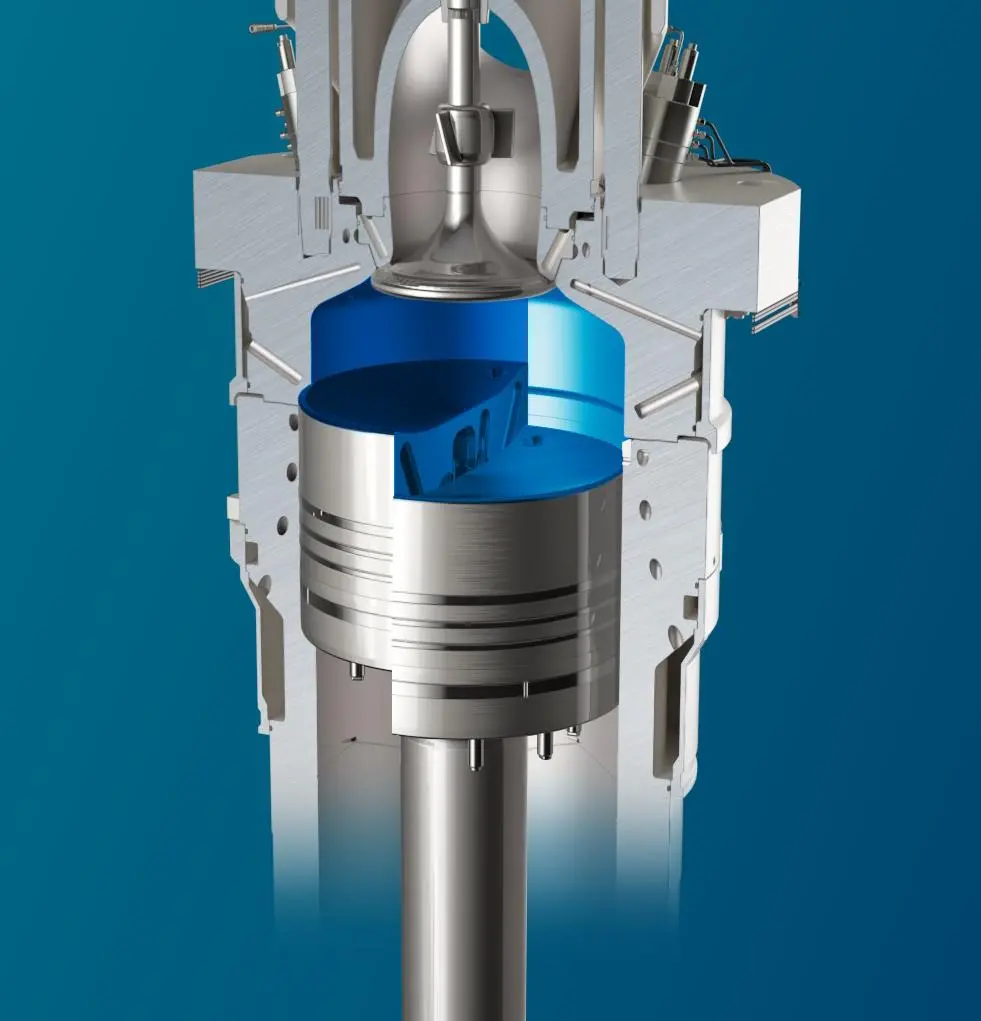
In the comparison between low-pressure and high-pressure dual-fuel engines, two things stand in favour of high-pressure, Diesel-cycle concepts: better performance in diesel mode and lower methane slip when using LNG. A new technology from engine designer WinGD aims to both close that gap and improve the case further for low-pressure engines amongst those already convinced – and there are early signs that some operators are seeing the value in variable compression ratio (VCR) technology.
As reported previously, VCR is the result of a decade-long development project between WinGD and Mitsui E&S DU Co, formerly Diesel United. It enables an engine’s compression ratio to be adapted for the first time on marine engines, optimising combustion depending on fuel type, ambient conditions, engine load and other parameters. In early tests, WinGD was encouraged by efficiency improvements in Diesel mode, but in subsequent tests, improvements in both gas efficiency and methane slip abatement have been noted.
In the most recent tests, using VCR reduced fuel consumption and CO2 emissions by 7.7% when running on diesel. In LNG mode, overall GHG emissions (including CO2 and methane) were reduced by 4.6% compared to a gas consumption reduction of 3.1%, highlighting the outsized impact VCR has in reducing methane slip, beyond the emissions saved by lower fuel use.
WinGD recently reported that it has received around 40 orders for Variable Compression Ratio (VCR) technology since it was introduced in June last year. Among the orders are engines for nearly 20 LNG carriers – the biggest vessel segment for low-pressure dual-fuel engines – but also pure car and truck carriers and bulk carriers. Given the promising test results, interest could extend into the container segment as well.
According to WinGD GM Application & Technical Sales Marcel Ott those orders indicate demand from shipowners that will only rise “as methane slip is costed into ship operation through carbon pricing, and while fuel supply flexibility necessitates peak efficiency on both LNG and diesel fuels”. With several LNG carrier newbuilds expected to be confirmed in the coming months, Ott is optimistic there will be further orders for VCR to announce shortly.
There are further factors in VCR’s favour that may make it a popular addition to X-DF. Efficiency benefits while using LNG are highest at part-load operation, WinGD claims, making it well-suited to modern operating profiles such as slow steaming, providing the largest benefits at engine loads used most often. And it retains both the capex and opex competitiveness of low-pressure engines: the hydraulic solution has no impact on engine footprint or installation requirements and does not need additional maintenance between overhauls.
WinGD claims that its own evaluation of system-wide energy consumption and emissions show the benefits of deploying X-DF engines with VCR technology. On a 174,000 cbm LNG carrier with a typical operating profile, a configuration including two 5X72DF-2.2 engines with VCR outperformed not only conventional low-pressure engine systems but also high-pressure engine arrangements in terms of LNG consumption, air pollution, greenhouse gas emissions, electrical power demand for auxiliary machinery and fuel costs.
But Ott believes VCR can go further than improving the business case for low-pressure engines in the LNG carrier segment. He says: “We’ve seen on the testbed that VCR brings diesel efficiency in line with our own high-pressure single-fuel diesel X-engines. Diesel efficiency is important for operators that want full flexibility to choose between fuels, rather than using the cargo they are carrying, and we believe that VCR could tip the business case even in segments that might traditionally have opted for high-pressure dual-fuel engines.”
Related Articles
 OTHER EQUIPMENT
 LNG
LNG
 GENERAL NEWS