Spain ramps up its biofuel focus
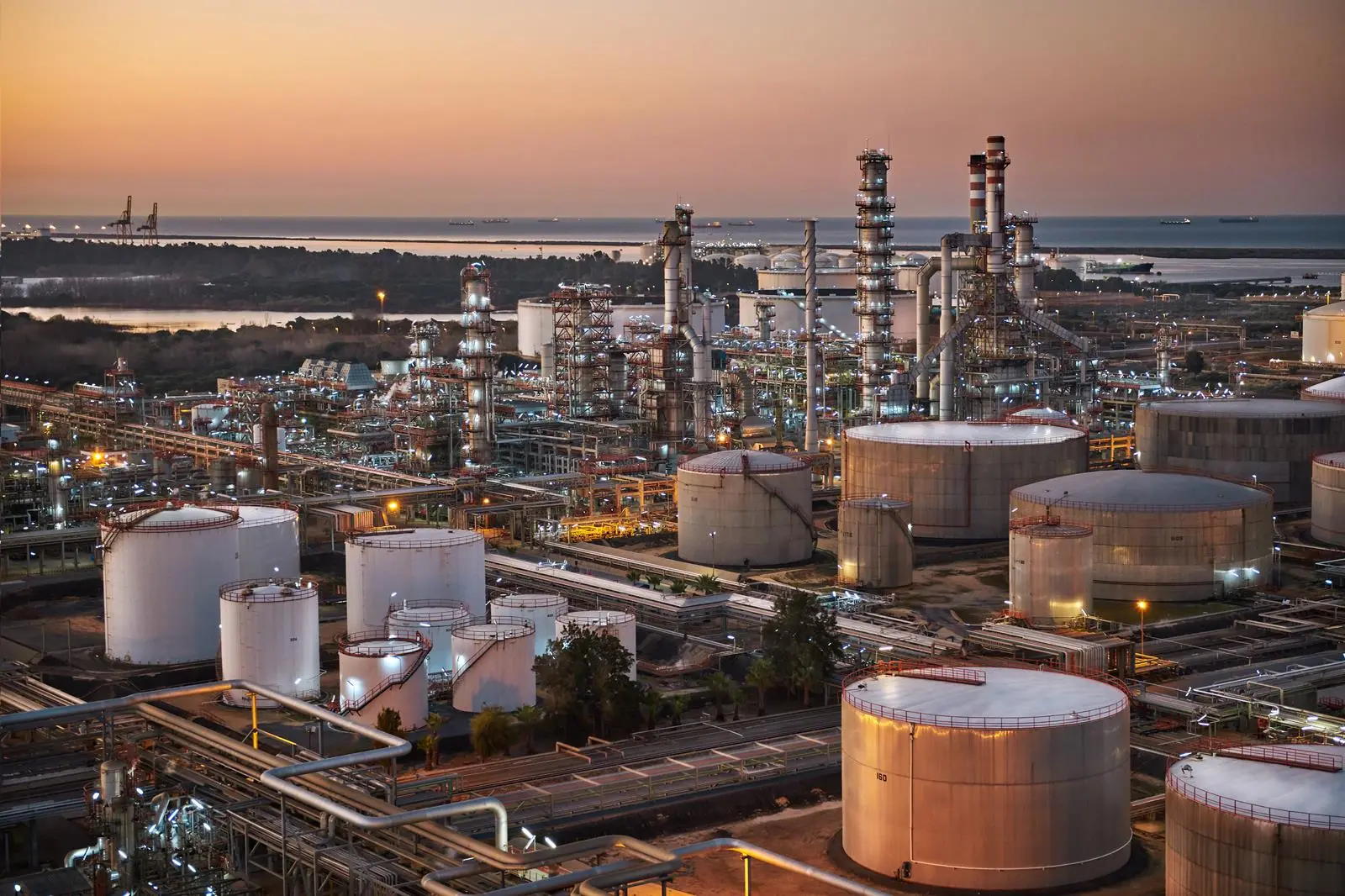
Located next to the ¨La Rábida Energy Park¨ in Huelva, the plant, which Cepsa is building together with Bio-Oils, will produce sustainable aviation fuel (SAF) and renewable diesel (HVO), from organic waste such as used cooking oil or from agricultural waste.
“We are grateful for the EIB’s support to this project, which is key to our Positive Motion strategy and to Spain’s and Europe’s progress towards the necessary energy independence,” said Maarten Wetselaar, Cepsa’s CEO.
”This plant will enable us to take a giant step forward in the production of green molecules, with the aim of facilitating the immediate decarbonisation of land, sea and air transport by reducing CO2 emissions by up to 90% compared with traditional fuels.”
Quick win
Biofuels are an immediate solution to reduce CO2 emissions from this sector, without making changes to existing engines.
Once operational, the facility is expected to process as much as 600,000 tonnes of waste and produce up to 500,000 tonnes of second-generation biofuels annually.
The project supports the decarbonisation objectives of the European Green Deal. It is also part of the EIB’s action plan to support REPowerEU in ensuring energy security and reducing EU dependence on fossil-fuel imports.
The project is supported by InvestEU, an EU programme to mobilise more than €372 billion of additional investment in the period 2021-2027.
With this new arrangement, the EIB is continuing to support Cepsa’s decarbonisation strategy. It is the third financing operation with Cepsa in the last two years to accelerate this strategy.
The previous two were a loan of €80 million for photovoltaic plants in Andalusia and a loan of €150 million for Cepsa’s network of electric charging stations in Spain and Portugal.