



Canadian government announces large shore power drive
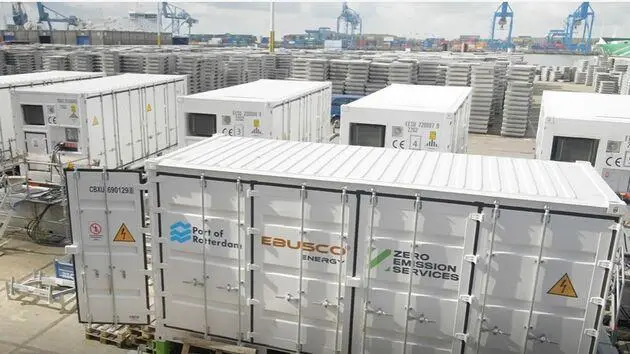
Decarbonising the marine industry forms a central part of Canada’s climate strategy, with a focus on modernising port facilities and encouraging the adoption of cleaner maritime technologies. The initiative aims to mitigate the environmental impact of shipping, a significant source of global greenhouse gas emissions.
The programme is designed to foster collaboration among Indigenous communities, government bodies, industry leaders, and environmental groups. Its objective is to implement sustainable solutions that reduce emissions in Canada’s ports and waterways.
The funds will facilitate the modernisation and construction of infrastructure necessary to support green fuels, as well as a feasibility study for a new public port.
Anita Anand, President of the Treasury Board and Minister of Transport, emphasised the importance of ports in Canada’s economy and their role in sustainability. “These innovative projects will help us protect our planet, build a greener economy for Canadians, reduce emissions, and keep our communities connected.”
Vance Badawey, Parliamentary Secretary to the Minister of Transport, highlighted the value of green infrastructure in logistics strategies. He noted that incorporating renewable energy, sustainable materials, and nature-based approaches could decrease emissions while boosting the resilience of logistics hubs.
Chris Bittle, Parliamentary Secretary to the Minister of Housing, Infrastructure and Communities, described the projects as a step towards a greener marine sector, maintaining ports as trade hubs while prioritising environmental stewardship.
The Green Shipping Corridor Program supports the development of low-emission shipping routes and infrastructure across the Great Lakes, St. Lawrence Seaway, and Canada’s coasts. The scheme is designed to lower the barriers to adopting emission-reducing technologies and attract private-sector partnerships and investments to expedite decarbonisation.
Earlier this year, the programme also provided $1.7 million to fourteen initiatives under the Clean Vessel Demonstration programme. These projects have supported shore power development and facilitated the deployment of low-emission and low-noise vessels, advancing the adoption of next-generation clean shipping technologies.
Related Articles
 ELECTRIFICATION AND BATTERY HYBRIDS
 ELECTRIFICATION AND BATTERY HYBRIDS
 ELECTRIFICATION AND BATTERY HYBRIDS