



Full DC grid concept realised in European project
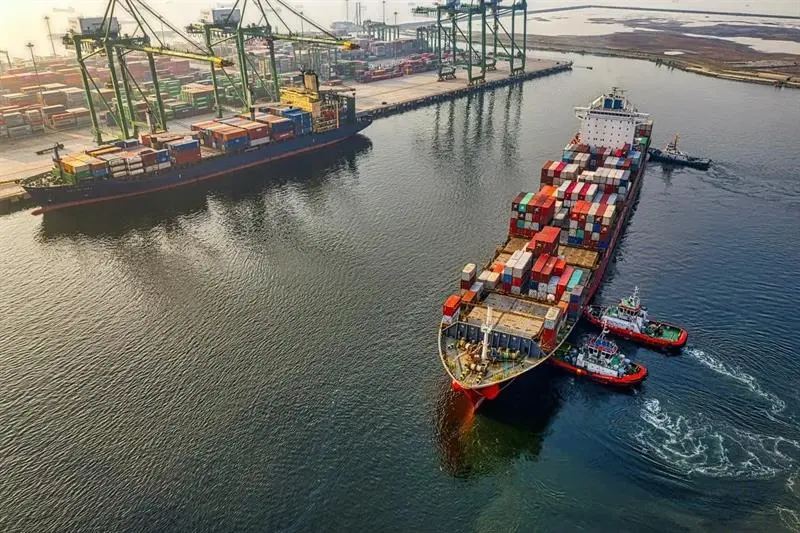
Coordinated by the University of Birmingham, the three-year project brings together twelve partners from eight European countries to develop and demonstrate a fully direct current (DC) electrical system for ships, significantly enhancing energy efficiency and reducing emissions.
The project aims to establish a full DC-based power architecture, including secondary networks supplying hotel loads, to improve reliability and energy management. While some vessels have incorporated DC primary grids, secondary grids have largely remained reliant on traditional alternating current (AC) solutions. By integrating advanced components such as wide bandgap power converters and solid-state protection devices, the ALL-DC-SHIPS project seeks to mitigate blackout risks and improve overall system efficiency.
A key focus is the development of modular power converters, high-density secondary DC grids, innovative protection systems, and advanced real-time energy management algorithms. Rigorous testing and validation methodologies will be applied to a demonstrator vessel, with recommendations provided for ship applications above 5,000 GT. These innovations are expected to serve as a blueprint for wider adoption of DC technology in the maritime sector.
Bl!xt Tech, a key project partner, is contributing expertise in solid-state circuit breaker technology to improve the efficiency, safety, and performance of shipboard power distribution. Jens Schoer, CTO at Bl!xt Tech, emphasised the company’s commitment to electrification, stating, “By integrating cutting-edge solid-state circuit breaker technology into maritime applications, we aim to improve efficiency, safety, and performance in shipboard power distribution.”
The ALL-DC-SHIPS project aligns with the European Green Deal objectives and aims to deliver a working prototype of a fully electrified vessel. The insights and technologies developed will support the transition to zero-emission shipping, marking a significant step towards the maritime industry’s decarbonisation goals. The collaboration between academia and industry-leading partners underscores the urgent need for sustainable innovations in maritime transport, aimed at ensuring a cleaner and more efficient future for global shipping.
Related Articles
 ELECTRIFICATION AND BATTERY HYBRIDS
 ELECTRIFICATION AND BATTERY HYBRIDS
 ELECTRIFICATION AND BATTERY HYBRIDS