



Torpoint Ferry launches “Bridge to zero” project
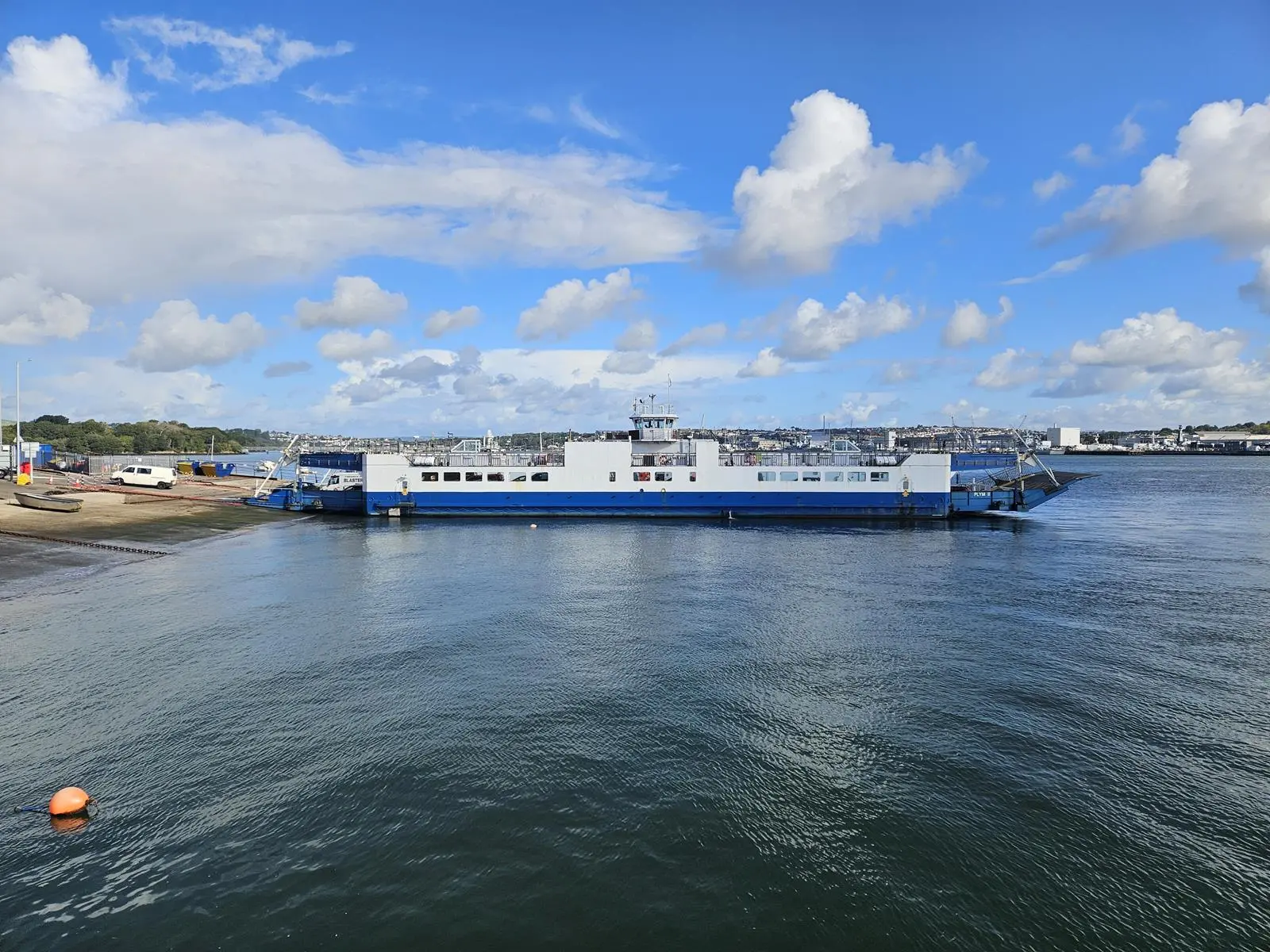
The “Bridge to Zero” project will produce a fully costed, engineering-ready plan to convert the fleet from fossil fuel propulsion to 100% shore-supplied green electricity. The study is intended to act as a model for the decarbonisation of similar short-sea ferry services and inform the design of the next generation of Torpoint vessels due in 2034.
The ferries’ distinctive chain propulsion system, combined with the tidal conditions of the Tamar and the short turnaround times required, present a complex engineering challenge for full electrification.
However, these same characteristics make the project highly relevant for demonstrating practical decarbonisation pathways for other short-sea or estuarial ferry services in the UK and beyond. The transition could ultimately cut carbon dioxide emissions from the three-ferry fleet by up to 1,000 tonnes per year.
Funding for the study has been provided by the UK Department for Transport through the UK Shipping Office for Reducing Emissions (UK SHORE) under the Clean Maritime Demonstration Competition (CMDC). Maritime Minister Keir Mather said the £300,000 government contribution forms part of a wider commitment to decarbonise domestic shipping, backed by £448 million in national funding for clean maritime innovation.
The project is being delivered by a consortium including Marine Zero, providing project leadership, charging solutions and cost modelling; Tamar Crossings, offering operational expertise and vessel access; and the University of Plymouth, which will lead data collection and performance analysis.
The initiative coincides with discussions at the International Maritime Organization’s Marine Environment Protection Committee (MEPC) in London, where member states are considering the inclusion of the Net Zero Framework to accelerate adoption of zero-emission fuels and propulsion technologies.
Tim Munn, managing director of Marine Zero, described the work as a test case for the practical decarbonisation of high-intensity ferry services, saying the aim is to develop solutions that are both technically feasible and financially sustainable. Philip Robinson, chief officer at Tamar Crossings, said the project would help secure the long-term viability of the service while contributing to the South West’s growing clean maritime sector.
Sarah Fear, sector lead for marine and low carbon at the University of Plymouth, said: ”“By capturing and analysing detailed operational data, we can create evidence-based decarbonisation strategies applicable well beyond the Tamar.”
The Torpoint project may not grab headlines for marine decarbonisation in the same way as a hydrogen-powered cargo ship or a methanol-electric hybrid but its quiet practicality could make it all the more influential..
Related Articles
 ELECTRIFICATION AND BATTERY HYBRIDS
 ELECTRIFICATION AND BATTERY HYBRIDS
 ELECTRIFICATION AND BATTERY HYBRIDS