Wallenius Wilhelmsen secures bio-methanol supply
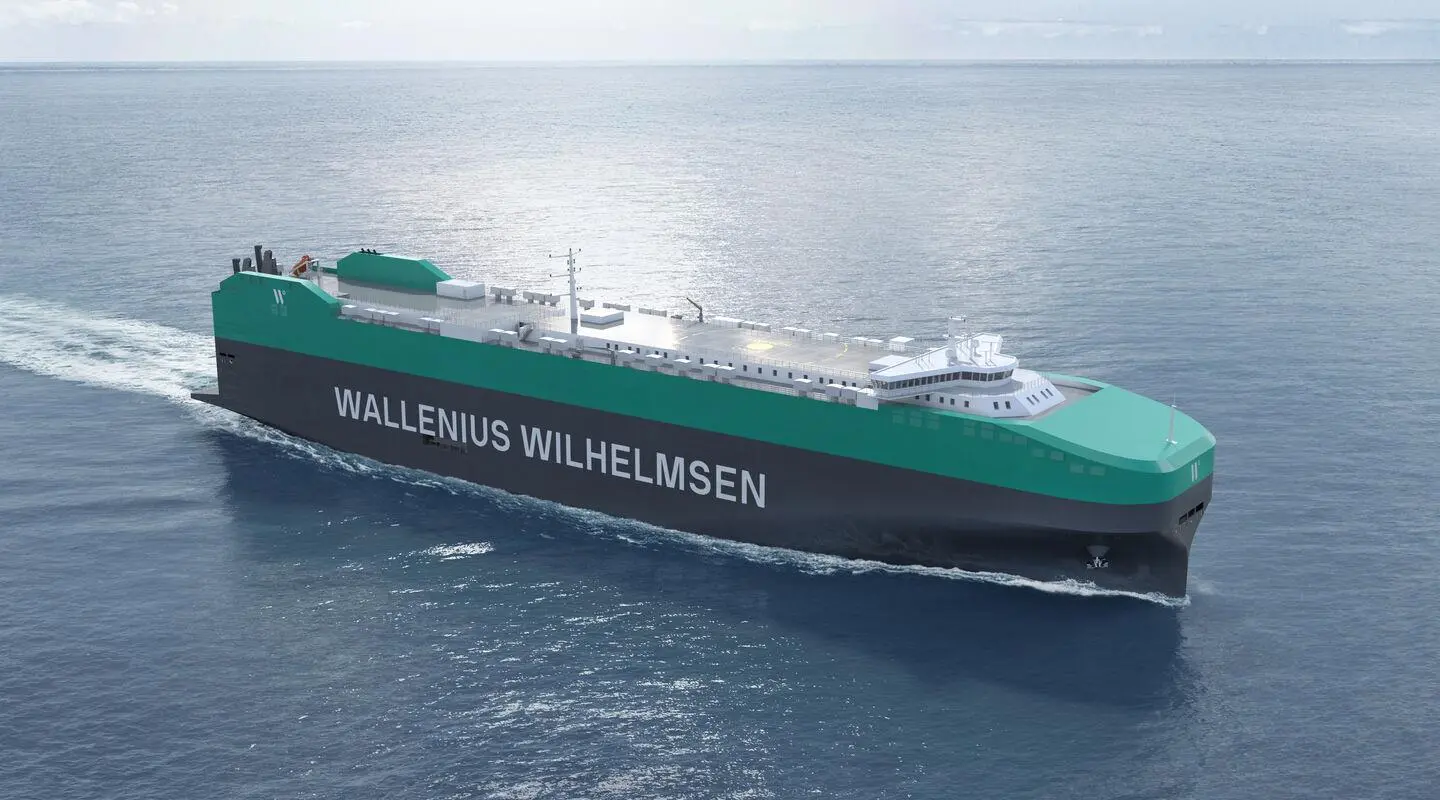
Under the deal, significant volumes of bio-methanol will be produced in Norway and supplied to the company’s methanol-capable vessels at ports in Antwerp and Zeebrugge. The fuel is certified under the ISCC EU sustainability scheme and is expected to reduce lifecycle CO₂ emissions by up to 95%.
The agreement supports Wallenius Wilhelmsen’s goal of launching a net-zero end-to-end pilot logistics service for selected customers from 2027, ensuring access to lower-carbon fuels for its ocean shipping operations.
“Signing this deal with Equinor marks an important milestone for us at Wallenius Wilhelmsen,” said Xavier Leroi, chief operating officer Shipping Services at Wallenius Wilhelmsen.
“Securing low-carbon bio-methanol supports the decarbonisation of our ocean operations, while strengthening our ability to deliver lower emission end-to-end logistics for customers. Partnerships like this are essential to scaling alternative fuels and moving from ambition to execution.”
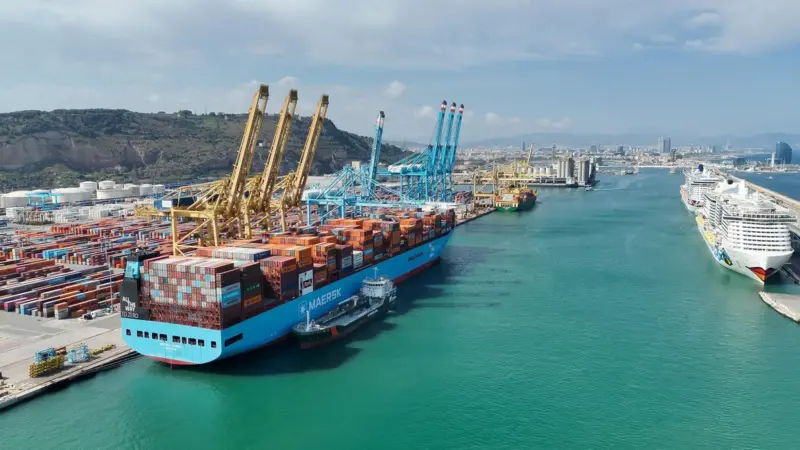
The move reflects a broader industry push to secure alternative fuel supplies ahead of the deployment of new low-emission vessels. Equinor has already signed bio-methanol supply agreements with major shipping lines including A.P. Moller – Maersk and North Sea Container Line, as operators prepare for a growing fleet of ships capable of running on methanol and other low-carbon fuels.
READ MORE: Shipping pushes methanol toward readiness
Analysts say long-term fuel contracts are becoming increasingly important as shipping companies attempt to build reliable supply chains for alternative fuels and reduce uncertainty around availability and price.
“Long-term agreements help create the demand signals fuel producers need to invest and scale production, strengthening the supply chain for alternative fuels and accelerating the transition from pilot projects to commercial deployment across the industry,” said Christos Chryssakis, vice president Energy and Regulations at Wallenius Wilhelmsen.