Ship operator launches super-smooth bottom paint initiative
Importer
78783_815131308ISHIN-I20image202202_compressed

MOL, Nippon Paint, and Nippon Paint Marine Coatings are jointly promoting R&D on high-performance antifouling paints to improve vessels’ fuel efficiency. This is a key element of MOL’s CO2 reduction technology R&D initiative, and is being undertaken with technology development support from Japan’s Ministry of Land, Infrastructure, Transport and Tourism (MLIT) .

Details of the R&D projects are as follows:

  • Ships consume most of their fuel in overcoming the resistance when sailing. Reducing this resistance contributes directly to lower fuel consumption and reduced CO2 emissions. The drag of seawater over the vessel’s wetted surface accounts for 50% to 80% of all resistance, including wind and wave resistance.
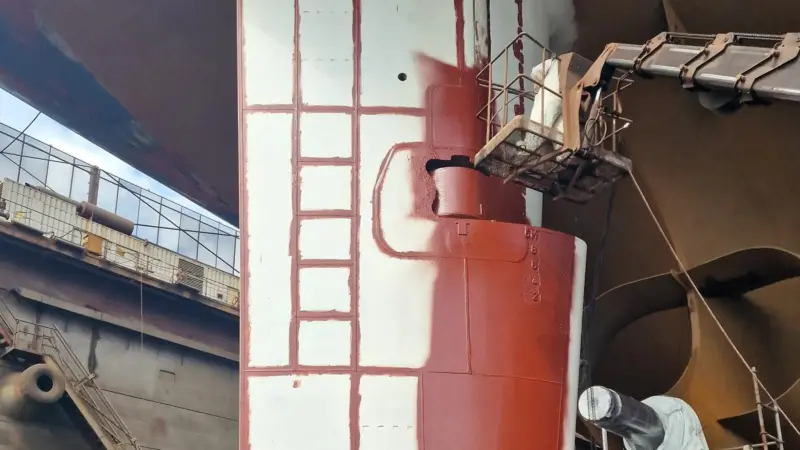
  • This R&D project aims to develop a super-slick antifouling paint for ship bottoms that will dramatically reduce fuel consumption. With the addition of a high-performance low-ablation additive, the paint will significantly reduce drag. MOL will verify the paint’s effectiveness in CO2 reduction by applying it to its operated vessels and carefully analysing its performance during voyages.
  • The paint used in the R&D project is expected to lower CO2 emissions 8% to 12% compared to conventional antifouling paints.

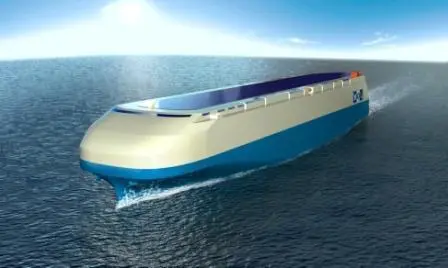
    This R&D project is said to be a step toward realisation of MOL’s vision for the vessels of the future, announced under the project names ISHIN-I (car carrier) in September 2009 and ISHIN-II (ferry) in December 2009. MOL says it continues to work aggressively on R&D to reduce the environmental burden of its vessel operations.