Environmentally-friendly and trouble-free voyages
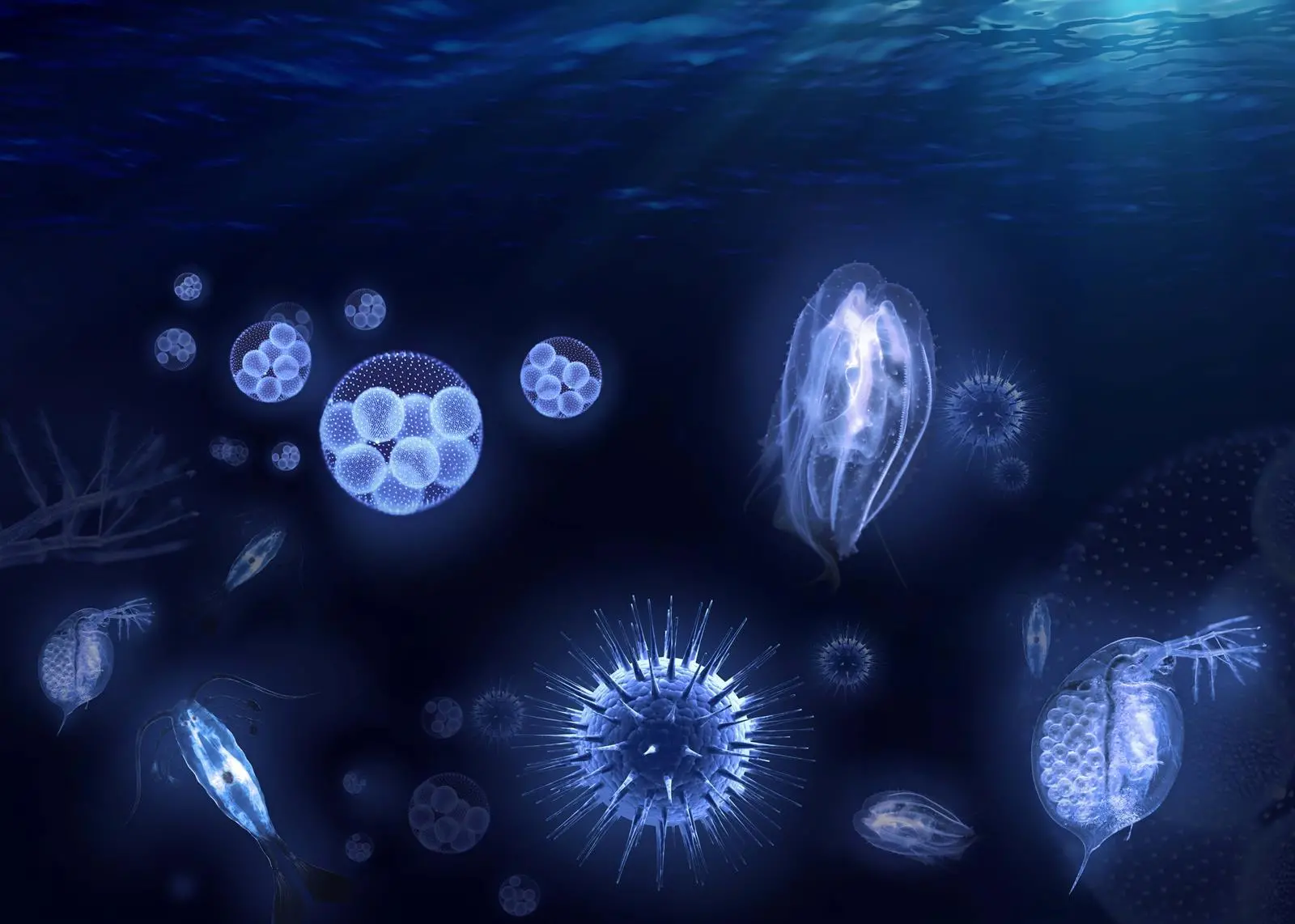
Nowadays, more than 10 billion tonnes of ballast water are estimated to be travelling at any time with ships on the oceans, including the stowaway microorganisms and life forms which, in this way, easily overcome the normally insurmountable obstacles posed by the oceans. IMO has, for this purpose, set up clear rules stating how ballast water has to be treated in order to prevent this risk to aquatic ecosystems world-wide. Probably by no later than 2017 (assuming that the convention is ratified), a regulation will come into force for all vessels specifying that ballast water may be discharged in ports only if specific threshold values according to the D2 standard are complied with.
For treatment of ballast water on board vessels, GEA Westfalia Separator Group has therefore developed a system which, in 2011, was awarded type approval by the BSH for treatment of ballast water (G8) in accordance with the IMO resolution MEPC.174(58). By means of filtration and UV-C treatment, the BallastMaster ultraV guarantees a high degree of security with regard to the inactivation of microorganisms such as phytoplankton, zooplankton, bacteria, viruses, fish larvae, etc. as well as sediments in the ballast water. The system operates with low energy and operating costs, does not require any chemicals and is suitable for installation in new vessels and also as a retrofitting option in existing vessels.
UV-C disinfection
The treatment system is based on radiation with ultraviolet UV-C light. It does not require chemicals, nor are there any undesirable chemical by-products which would have to be neutralised or disposed of on board. The mechanical/physical system also operates efficiently in conjunction with high concentrations of organisms, sediment or particles. The two-phase system consists of mechanical pre-filtration with vacuum suction technology and UV-C treatment.
UV-C radiation for disinfection purposes and ultrasound for cleaning the quartz tubes have demonstrated their worth specifically in mobile waste water treatment, without giving rise to disinfection by-products. These technologies have proved to be environmentally-friendly and efficient methods for ballast water treatment.
Two different UV techniques, differing in terms of their UV emission spectrum, are normally used for water disinfection. Medium pressure UV lamps (MPUV) emit rays of light in the range of UV and visible light. On the other hand, low pressure UV lamps (LPUV), such as those used in the BallastMaster ultraV, emit monochromatic light with a specific wave length of 254nm (UV 254nm), in order specifically to utilise the effect of inactivation and to prevent the formation of possible by-products. By contrast, chemical by-products may occur in conjunction with MPUV technology. The use of LPUV for disinfection and treatment of water, including ballast water, is considered to be a purely physical process without any by-products.
Chemical-free operation
The BallastMaster ultraV is installed directly downstream of the ship’s ballast water pumps. It comprises mechanical filtration with a self-cleaning suction process as a pre-treatment stage. Subsequent treatment uses low pressure UV-C radiation.
Ultrasound technology is used for self-cleaning of the UV-C quartz tubes. Thanks to this treatment, the BallastMaster ultraV is able to do entirely without chemical additives, which otherwise might have a negative impact on the environment or the crew on board.
The entire installation operates automatically and is remotely monitored in the automatic mode. All parts are designed for simple operation and low maintenance costs. The BallastMaster ultraV complies with the D2 standards for onshore and on-board tests, and can go beyond these standards. The analytical results and risk tests which have been carried out show that possible risks for human health and the environment can be precluded with a precise combination of ultraviolet technology and ultrasound cleaning.
More than 30,000 vessels will have to retrofit a ballast water treatment system as soon as the IMO convention comes into force. The BallastMaster ultraV (with a capacity of 250m³/h), features optimum design for this purpose. At present, a version for a throughput of500m³/h is currently undergoing the approval phase.
The BallastMaster ultraV makes it simple to ensure that there is only water in ballast tanks – with no harmful organisms such as plankton, bacteria or viruses. Benefits of the technology include:
- Absolutely no chemicals used, and avoidance of side reactions, confirmed by intensive chemical analysis and toxicological studies of the treated water.
- The filtration technology is able to remove organisms, particles and sediment extremely effectively by means of 20μm sinter, filter and suction cleaning technology.
- Strong disinfection effect by means of monochromatic UV-C 254nm low pressure radiation.
- Proven low frequency ultrasound technology guarantees optimum cleaning of the quartz tubes.
- When ballast water is being discharged overboard, the water from the ship’s tanks is filtered and then disinfected by means of ultraviolet radiation, whereby the UV-C process completely disinfects the filtration concentrate a well as the filtered water.
- Because absolutely no chemicals are used, there are no corrosion effects in the pipework and tank system of the vessels. The environment and crew are not affected.
- UV-C is effective against specific, chemical-resistant pathogenic germs because microorganisms are not able to build up resistance to UV light.
- The physical characteristics of the ballast water, such as pH value or salt content, are not affected by UV-C.
- Low operating costs and minimal maintenance combined with easy operation.
- As the system can be configured flexibly, it is suitable for retrofitting in existing vessels.