Machines do not discriminate
Someone is always trying to build a better ‘mouse trap’ and it remains true within the antipiracy industry. Everyone is looking for the newest, latest, less expensive alternative…..otherwise known as the easy way out.
The introduction of new technologies or methodologies requires extensive training to ensure it is employed in a manner consistent with applicable rules of the Use of Force, Escalation of Force and applicable human rights laws. Any new technology or methodologies specifically dealing with security or defence should therefore be introduced to maritime security companies so that experts can train to properly employ the devices instead of vessel operators and crew. Seafarers are exactly that: professionals trained in the art of operating vessels. They are not security experts.
The employment or use of additional measures other than those outlined in BMP-4 to restrict access to the bridge or other critical parts of the vessel could potentially cause safety issues. Proper risk assessments should be performed prior to, during, and after each transit and measures to mitigate each risk that is identified should then be taken preferably by the team leader of a maritime security company. Having an individual on board during the transit to constantly review and modify the risk assessment is critical because there are too many factors that can change during a transit and a professional security expert that is adept at making decisions and changes to the security posture is critical.
Developing a security plan should not be approached as a tick the box activity. It should constantly be reviewed and revised. A well thought out security and antipiracy plan will mitigate most risks and should include the 6D Methodology (a proprietary methodology created by Triskelion Alliance):
Detect – Use all available intelligence reports to predict or ascertain the location of pirates. Use radar and watch to identify suspicious vessels. Monitor radio and fax for updated intelligence. Your security team should have intelligence reports sent to them at least daily. Good intelligence is the number one asset of any reputable security provider.
Dodge – Take actions to avoid suspicious vessels. All pirate or suspected pirate activity should be on the ship’s navigation charts. Increase watch if necessary. Defer to the expertise of the team leader for course changes applicable to avoiding potential or known pirate activity.
Deter – In the event that detection and dodging does not work, employ measures to try and discourage the pirates. Deploy armed guards to appropriate locations on the vessel (e.g. bridge wings) to display their intent to follow the escalation of force protocol.
Delay – Take actions to delay the pirates. BMP-4 provides several options (increase speed, make turns/create wake, turn on fire hoses, etc.) The security team, if employed, will consult the master on other methods.
Defend – The security team should be well into their Rules of the Use of Force or Escalation of Force procedures. Their job is now to prevent boarding.
Defeat – Use the minimum force necessary to defeat the aggressors and prevent injury or loss of assets while maintaining legal, moral, and ethical standards.
It is important not to become complacent. Despite what is being reported about the decline of piracy related events the threat is still very real. Time and again I have seen instances where BMP-4 measures were used on a vessel but the aggressors still managed to board and take control of the ship. Largely, the improper employment of BMP-4 measures and/or the maintenance and upkeep of BMP-4 measures is the root cause of such events. For example, razor wire improperly installed using plastic wire ties that deteriorate quickly in the sun or not replacing razor wire once it begins to rust. These things create an opportunity for aggressors.
BMP-4 is a good common sense approach to harden an existing vessel but it is only a small part of an effective anti-piracy protection plan. None of the measures are designed to defeat aggressors. It is designed to merely buy time for the master to correctly and quickly follow protocols and issue a distress call and to muster the crew in the citadel. On vessels that have armed guards, BMP-4 provides a delaying tactic that the guards can take advantage of should they actually begin the boarding process. Remember, to date, no vessel that has employed the use of armed guards has been hijacked. BMP-4 by itself is not an effective tool.
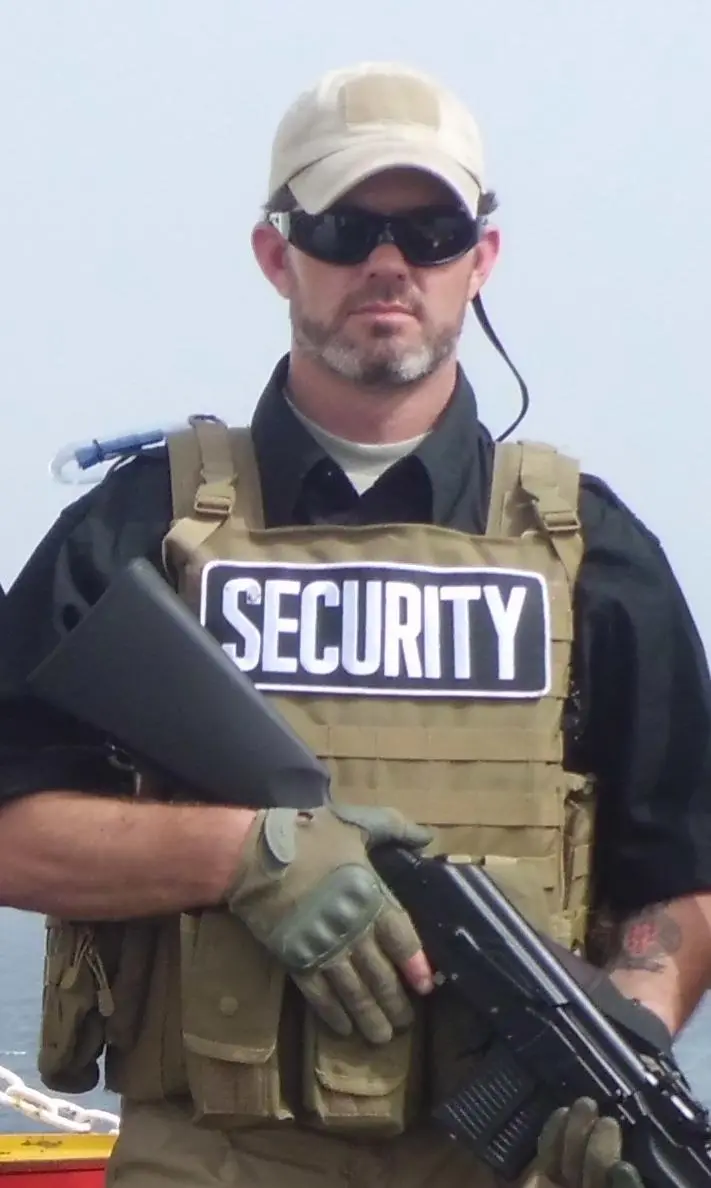
There is no better deterrent than trained and vetted armed embarked guards for several reasons:
1. They are typically less expensive than complex technologies.
2. They require no regular maintenance incurred by the vessel operator.
3. Unlike machines, they have the ability to use deductive reasoning.
4. 99.9 per cent of the time the mere presence of an armed embarked guard is enough to deter pirates.
Security is a process, not a product.