Cargo overpressure: relieving the pain of compliance
First introduced in 1998, SOLAS II-2/59.1 and subsequent updates forced ship owners and operators to upgrade their safety systems to secure cargo tanks against the risk of overpressure. New guidance issued by the IMO (IACS UI SC 140) due to take effect in July 2013 has left many facing the prospect of yet more costs to ensure their vessels continue to conform.
The regulations apply to all vessels transporting flammable cargoes or that are fitted with an inert gas blanket system as part of a fire prevention system, typically crude oil, fuel and chemical cargo tankers.
Cargo overpressure is a serious complication which can occur in port as well as in transit. The greatest risk occurs during cargo transfer, a process which can take up to 24h for larger tankers, as cargo tank levels change, affecting the head space above the liquid. During loading, compression of the air in the tank can cause pressures to rise unless vented to the atmosphere. At the other end of the scale, falling liquid levels during unloading may create a vacuum unless air is admitted from the external atmosphere to balance the pressure.
In transit, the fluctuating temperature of the gases and vapours in ullage spaces or liquid cargoes could also lead to overpressure. In practice the double hull design of modern cargo tankers provides a ‘Thermos’ effect to prevent excessive variations, reducing the risks accordingly.
If unchecked, over- or under-pressure of cargo tanks can cause significant damage, compromising the integrity of the tank and incurring potentially costly repairs. The accidental release of dangerous liquids or gases in the event of a breach also presents a serious fire and pollution hazard.
From July 2013, the new regulations require all cargo vessels carrying hazardous cargoes to be fitted with a secondary pressure valve system as an additional safety mechanism in the event of a failure in the primary pressure/vacuum valve. This has left ship owners and operators facing the prospect of costly upgrade programmes to ensure compliance. Major oil companies are also driving the change process by mandating the vessels they charter conform to the new regulations.
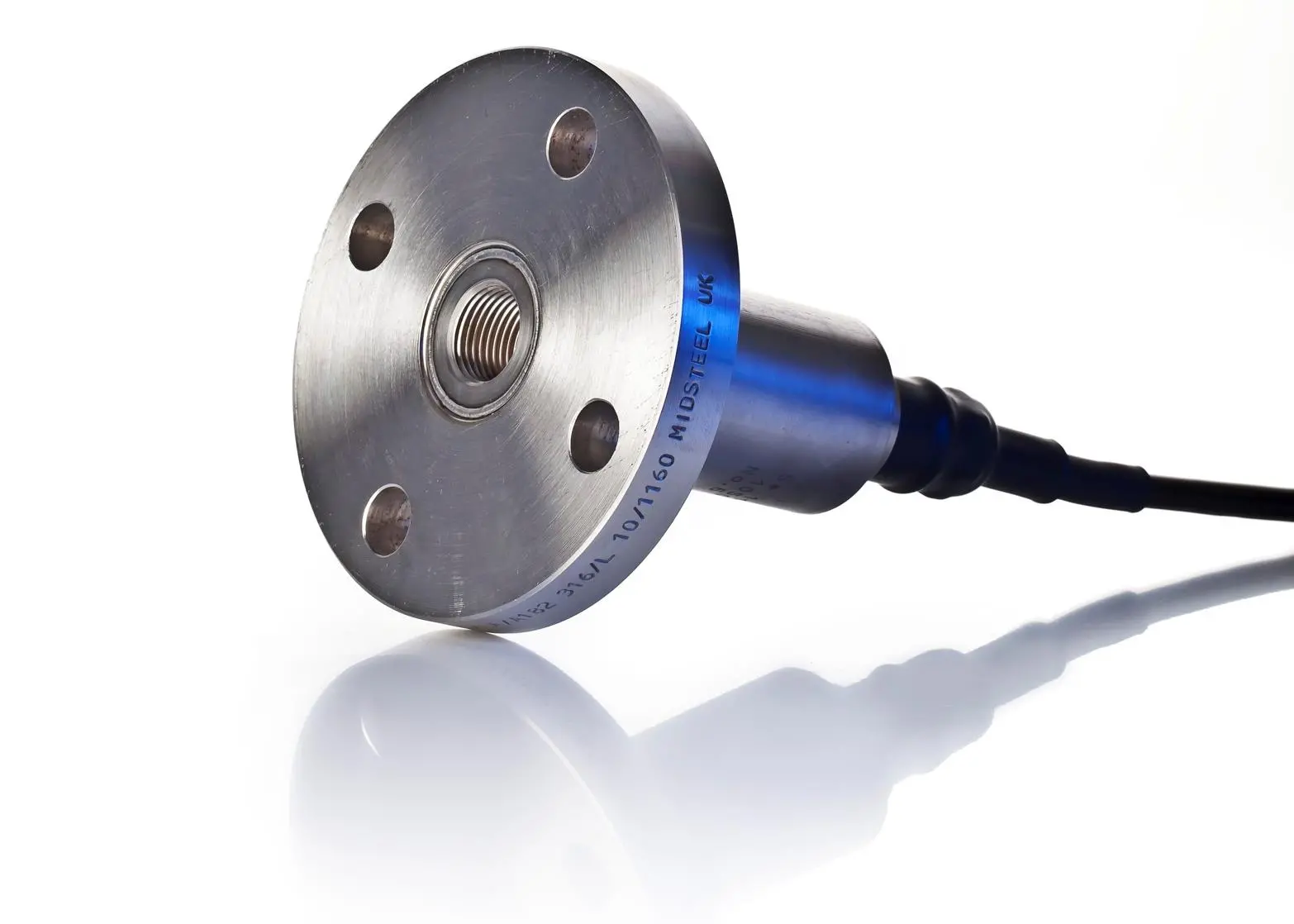
Help is at hand for beleaguered operators in the form of the latest tank pressure monitoring systems which offer a cost-effective and practical alternative. Designed to satisfy the safety stipulations of the original Solas II regulations, products such as PSM’s ict 1000 pressure transmitters are recognised as an acceptable substitute to a secondary valve system by many marine classification societies.
The new guidance requires cargo hold pressure sensors to be fitted to each tank and centrally monitored. PSM’s ict 1000 pressure transmitter system, for example, enables up to 24 individual transmitters to be connected to an LCD display unit located in the ship’s cargo control room , which acts as a monitoring station, providing an indication of status and displaying actual pressures for each tank. In the event of an under- or over-pressure excursion, visual and audio alarms are triggered, allowing remedial action to be taken. Connection to the Ships Voyage Data Recorder is possible via an optional RS485 data interface.
A key advantage of the modern monitoring systems is their flexibility. PSM’s ict 1000 package lets users assign up to four alarm setpoints to each tank over a range of -500 to +500 mbar. Set to a standard configuration to suit most applications, the system allows for easy updating of setpoints, acceptance delays and hysteresis settings. Designed to be scalable, the latest solutions enable fleet owners to specify systems to meet both their current and future requirements.
Pressure management systems are attracting increasing interest from ship owners, particularly as a retrofit solution. Costing up to 80% less than a secondary pressure relief valve, they are also simpler and faster to install requiring just one small diameter pressure connection and electrical cable per tank.
Above and beyond the cost, sensors also offer an additional margin of safety, allowing crews to see in real-time what is happening at any point during loading and unloading. This allows them to carry out further investigation of the pressure vent or inert gas blanket equipment where dangerous levels are detected. Secondary relief systems by comparison do not offer advance warnings, with the crew only alerted when the system triggers.
Responding to the potential risks to reputation and financial consequences of damage arising, many oil companies have gone one step further and may stipulate pressure measurement and alarm systems are installed even where a secondary mechanical system is in place. Such a move can only raise the benchmark for best practice and improve industry standards overall.