The economics of gas fuelled ships
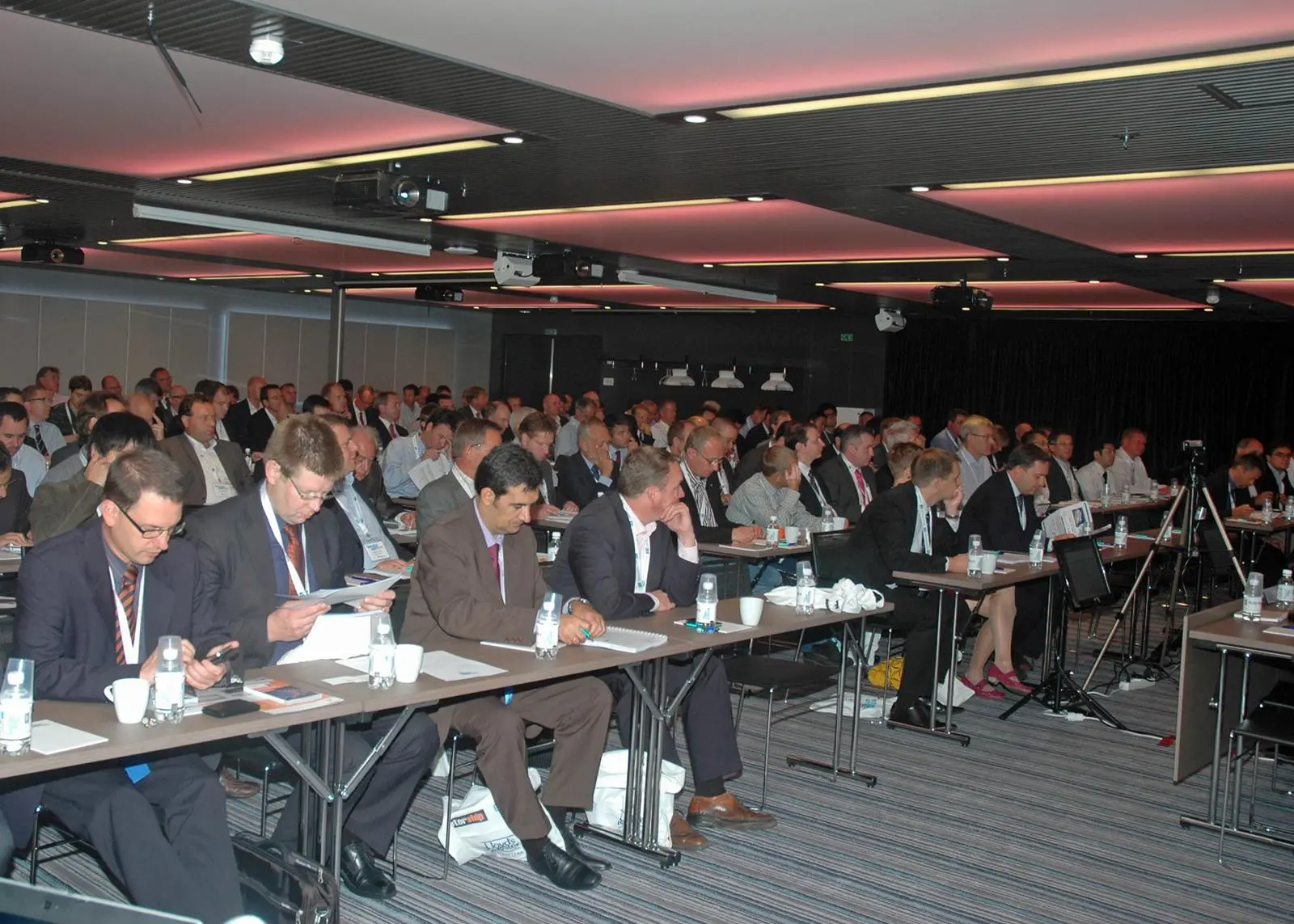
Following a presentation by Erik Skramstad of DNV, who gave an update on the international LNG bunkering guidelines and another by Turid Stemre, chair of the IGF Working Group at IMO who outlined the latest developments in the code, Dragos Talvescu, of Sund Energy, looked at LNG’s competitiveness as an IMO-compliant fuel.
Shale gas has influenced price, to the extent that LNG is no longer driven by oil market. Small scale LNG is moving towards reality; infrastructure is changing and making LNG an easier choice, one which could take off in Nordic waters. Availability is not expected to be a problem in Europe; lots of gas is available as long as buyers are prepared to pay. At present LNG is being diverted to Asia where higher prices are paid. Europe is in middle tier of LNG pricing at present, above US but below Asia. New producers entering the market offer good potential for affordable LNG, and OPEC-type moves to keep prices up seem unlikely. Small scale LNG supply was operating on cost-plus, but this is changing, with various different structures available. Spot pricing is becoming more common.
David Bull of Ocean Shipping Consultants analysed the economics. Although gas fuelled ships are currently a very small proportion of world fleet, mostly LNG carriers, the installed base is growing. Bunker infrastructure in Europe is expanding, with new vessels entering service. Emissions advantages are considerable, not least noise, which has really become apparent on Viking Grace. Retrofits are gaining orders. Altogether around 40 ships are on order, including reasonably large container ships, will have LNG capability. Emissions is the main driver, increasing price difference between MGO and HFO will work in LNG’s favour. Even at present rates LNG is competitive in US but market devices may be needed in Europe. Newbuild costs are estimated around 10% higher, lower capacity, higher operating and insurance costs will all influence decisions. Offset against fuel cost per TEU mile and potential for higher operating speeds, but outside the Baltic Europe needs more investment in LNG. Fuel cost saving of 3-7% is likely for container ship with LNG at 80% cost of HFO. There is a $28-48,000 potential saving on a Korea-Rotterdam voyage for example. For feeder vessels, LNG still comes out as the cheapest option. A dry bulk case study, tankers would be very similar, shows that Panamax and Capesize ships could both offer significant savings on fuel cost alone. For ro-pax, compared with MGO, LNG savings are very significant. In the PSV market LNG has proved itself in the harsh North Sea environment. Everything works, but sticking point is still actual cost of the LNG.
Shell’s Arjan Stavast looked at general competiveness of LNG. The amber light for economics is still not totally green but has a greenish hue around the amber. Still many reasons not to use LNG, but the benefits have tipped the balance. Shell has chartered LNG-fuelled PSV and has two barges on the Rhine, and intends to have a significant proportion of fleet running on LNG. Shell purchase of Gasnor, with infrastructure in Norway, is leading to setting up infrastructure elsewhere. Partnerships are essential. At present there is no price for LNG as marine fuel, but this will change. Not every case will work in LNG favour, but looking at several business cases where LNG is coming out very favourably. Shell expects LNG marine fuel price will be linked to oil to give better stability in pricing. Shell is big in HFO and MGO, but believes LNG is a competitive future fuel in the right applications.
The bankers’ perspective was given by Frederik Mordal Hessen, DNB Bank. The industry is facing major changes resulting from environmental legislation. The general financial markets took a big and unexpected hit after 2008, though Nordic banks did reasonably well. Activity has picked up recently and lending capacity is better, though still slow. Banks are now more selective, and have a cautious optimism, going for sound shipping markets. One caution is that because financiers like to take safer options, it may be more difficult to finance an LNG project before the forthcoming environmental rules are fully in place, and there is still uncertainty over both the 0.5% global sulphur limit and the carbon question.