Portsmouth port looks to LNG bunkering
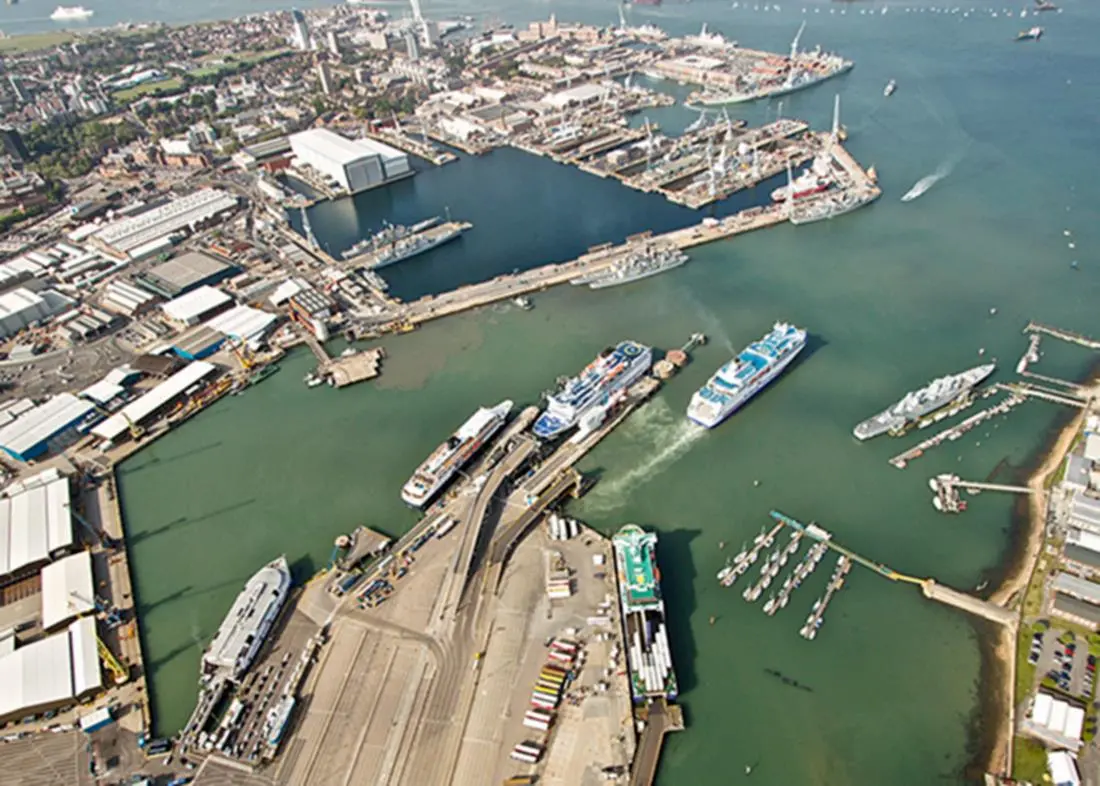
LR is working with the port authority to identify the technical specifications and develop operating procedures for safe LNG bunkering in Portsmouth International Port.
Leonidas Karistios, global gas technology manager, Lloyd’s Registe, said: “Obviously with growing demand for LNG, ports are looking to understand how they can develop the capability to deliver LNG bunkering services safely. It has to be safety first and Portsmouth is looking to ensure that they have the right, safe, approach to support operational and commercial ambitions. With a city adjacent to the port, significant ferry traffic and a large naval presence, there are substantial and varied stakeholder aspects to be addressed.”
Kalvin Baugh, deputy ferry port manager, added: “With changes in the regulations governing emissions, it is clear that in the future more shipping will be fuelled by LNG. To help safeguard the port and meet the needs of our customers, Portsmouth International Port needs to be able to offer this facility. Safety is of course the main priority, and we are delighted that Lloyd’s Register has agreed to help us identify the technical specifications and operating procedures that will help to deliver this.”
Brittany Ferries latest newbuild, scheduled for delivery in 2016, is to be gas fuelled and will call at Portsmouth, where LNG bunkering will take place.
Lloyd’s Register will provide detailed guidance to Portsmouth including requirements for technical specifications of bunkering equipment; helping to ensure that the right operational procedures are established; helping to ensure that port safety and emergency planning is provided for; and that personnel competence can be developed effectively and put in place.
LR’s experience in LNG includes risk leadership undertaken for bunkering operations at the Port of Stockholm to support the high-volume bunkering required for the Viking Grace project, which carries 2,800 passengers between Stockholm and Turku.