Electronic navigation training as ECDIS carriage requirements approach
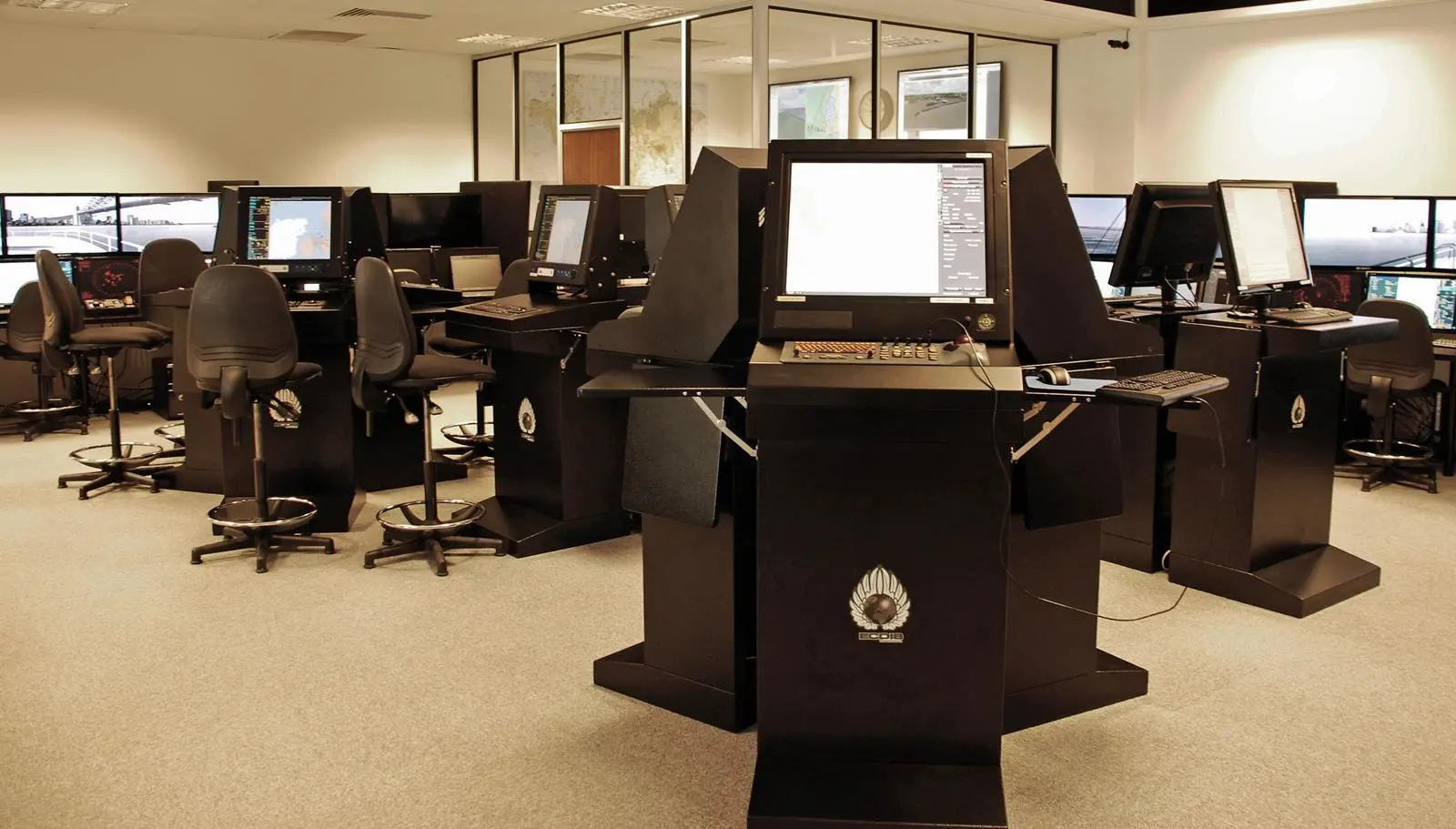
Ecdis Ltd believes it is in an good position, because as well as the generic training necessary for personnel likely to encounter a variety of different ECDIS systems onboard the various ships they man, the company can provide product-specific training which supports over 30 of the 34 leading systems from currently on the market.
With compulsory ECDIS fitment beginning to be rolled out – all passenger ships of over 500gt and newbuild cargo ships of over 5,000gt will be required to carry ECDIS from their first survey after July 2014, with the requirement extending to other ships types over the next two years – operators need to be prepared. And that means a lot of training.
According to Ecdis Ltd MD Mark Broster, the figure is based on a rough figure that around 50,000 vessels will need to be fitted, each one with an average deck crew of four, but rotating watches and crew perhaps four times a year on average, as well as shore staff, inspectors and other personnel
“I would love to say we will train them all,” says Mr Broster, “but sadly often people go with cheaper and easier alternatives. Our training is, without sounding arrogant, considered the Rolls Royce option. It is slightly more expensive, but it uses the best equipment and instructors, is accepted by all flags, and it is one of the longest courses as we feel that the mariner really needs to know the equipment if they are going to navigate using it.”
The company is based on the UK south coast, near to the ports of Southampton and Portsmouth – as well as The Motorship’s own offices. The company says that it has doubled in size each year since opening in 2008, and is now looking to expand in Singapore.
Ecdis Ltd boasts a long list of clients, which encompasses over 100 major ship owners, operators and managers active in a variety of markets, as well as port authorities, equipment suppliers and bodies such as Trinity House, the UK lighthouse authority. It offers on-site training options as well as a programme of standard and customised in-house courses.
Ecdis Ltd can provide customers with advice on purchasing equipment and charts, and has its own in-house system development team. The 3D Environment Artist team launched its port creation service at the 2014 Seawork International. The service allows users to create any port – not limited to existing ports. The team has apparently been contracted to provide simulator models of proposed port construction projects.
The company’s own simulators include bespoke full-mission bridge simulators as well as so-called ‘mini simulators’, a term which covers part-task trainers connected to specific functions, such as engine management or BNWAS. The simulators are built to the customer’s own specifications, and Ecdis Ltd says that this can prove surprisingly cost-effective.
Cost benefits from use of ECDIS, or more precisely from ensuring that those operating the systems are able to use them to their full advantage, come from avoiding grounding and from fuel savings. ECDIS can, without doubt, reduce risk of groundings. The actual cost of grounding incidents is difficult to quantify; however statistics from two leading P&I Clubs suggest that in one recent year alone well over 700 separate grounding incidents were reported, which cost the industry over £10 billion (US$17 billion).
As far as fuel savings are concerned, by navigating accurate composite great circles there can be huge fuel savings for operators: the larger the number of ships in the fleet then the greater the potential saving. Ecdis Ltd does sound a note of caution though. When there is an optimum route between two ports, then a large number of ECDIS-equipped ships will be following it. So there is an increased risk of incident – i.e. the long-discussed ‘ECDIS assisted collision’ could become common. Another good reason for bridge training perhaps?
Non ECDIS-specific courses on offer include bridge team management, which aims to reduce the risk of casualties by helping the bridge crew anticipate and correctly respond to changing situations. Additionally, bespoke bridge team management training courses can be developed in conjunction with the client’s own procedures and `best practice` to assist in the introduction of new bridge procedures and manning levels, tailored to particular operating areas and ship types.
A bridge resource management course helps frame the decision making process for masters and watch officers, based upon conditions related to workload and potential threat to the vessel.
An advanced course on bridge procedures puts teams under controlled pressure, ensuring that teams follow sound company procedures and have the necessary skills to revert to using basics navigational techniques.
Another course available is ‘HELM’ – human element leadership and management, developed in collaboration with Total HLM Solutions in accordance with the Merchant Navy Training Board’s (MNTB) guidelines.
The Command Rule of the Road (ROR) assessment package is designed to assess the capabilities of those in command of vessels in respect of their knowledge of the international collision regulations.
All courses employ a combination of lectures and simulator time.
The company says everything is in place for its expansion into Singapore – it just needs to find suitable premises. It hopes to announce the opening later in 2014. The main reason for the new centre is to create a ‘centre of excellence’ in Asia. The venture is being supported by government department UK Trade & Industry.
Director Nick Lambert said: “The transition to digital navigation is a complex and challenging technological and HR issue for shipping companies, so the training we provide is in demand. The Far East is widely regarded as the fastest growing region of the shipping industry and Singapore is an excellent regional hub.”