RINA writes open-sea crane rules
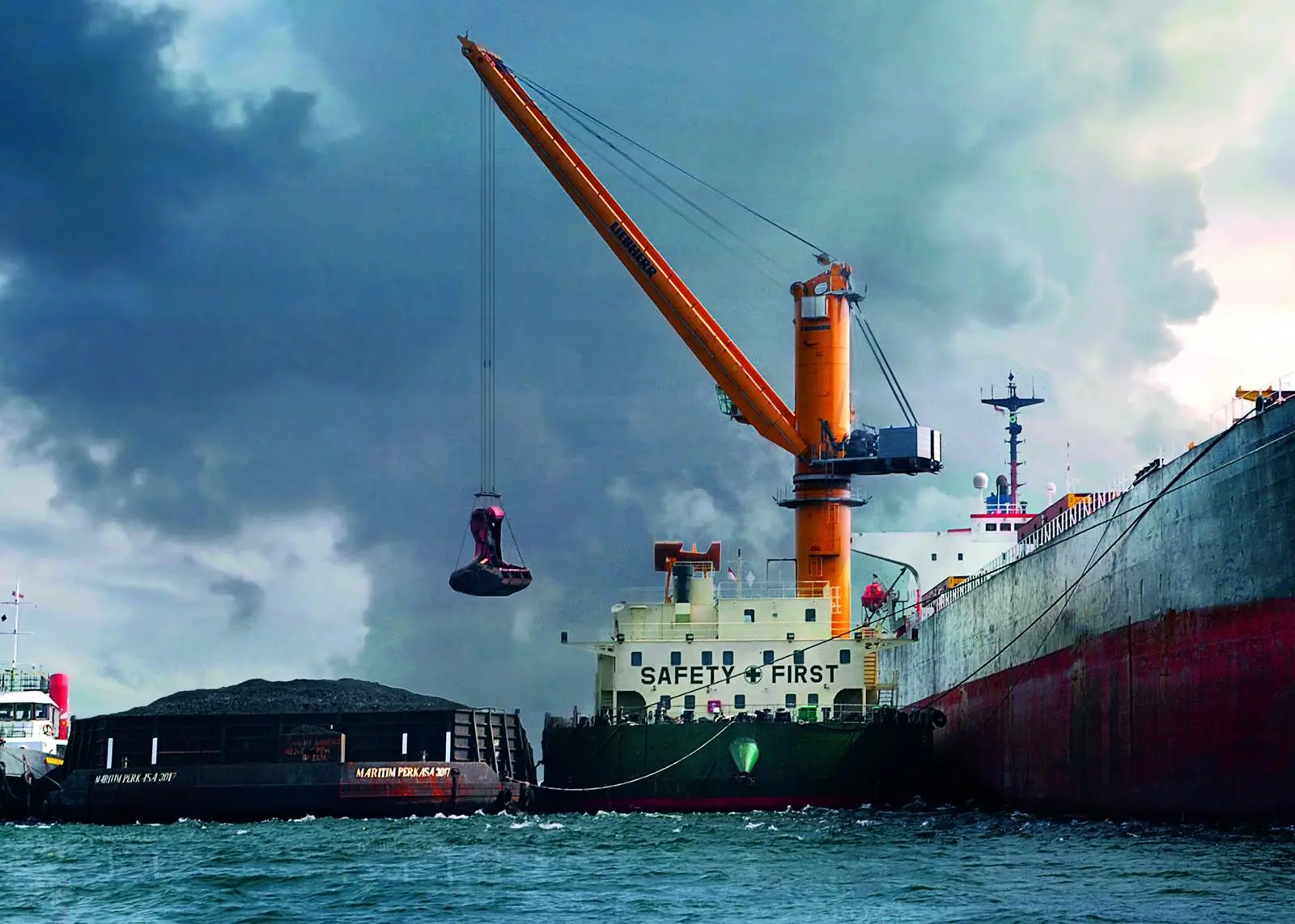
The organisation has split the requirements for specific crane types (ship, offshore and transhipping) into separate sections for ease of use, and has introduced a specific ‘CARGO HANDLING’ notation. This takes into account both static and dynamic loads on transhipment cranes used on vessels transhipping bulk cargoes in open waters, and also details how these are related to structural requirements for the vessel and crane and to the operating envelope.
The first CARGO HANDLING notation has been assigned to the floating crane transhipment unit FC Asia Bella, built by Chengxi Shipyard in China for the Indonesian owner PT Pelayaran Mitra Kaltim Samudera.
According to Dino Cervetto, director of technical services, RINA, the new rules contain an operational chart which will allow operators of floating transhipment terminals to widen the weather window in which they can work. They also take into account the specific wave height and orientation of the terminal. Cranes certified under the notation will be able to operate safely for longer and give more operational time to terminal operators,.
RINA’s revised rules for offshore cranes have been based on European Standard EN 13852, which the society said allows for a more structured approach to offshore crane certification.
“There is a gap in the market for standards for transhipment cranes,” said Cervetto. “RINA believes that there is a need in the offshore industry for a clear standard for floating cranes and cranes built onto OSVs which is based on European requirements.”