LR approval for oil mist detector
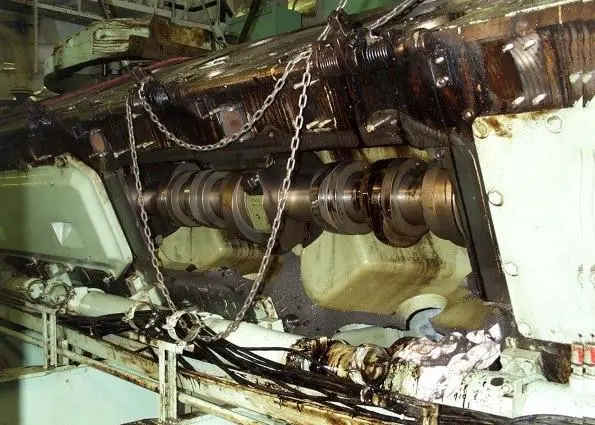
Testing for the Lloyd’s approval, which follows type approval by the American Bureau of Shipping (ABS) last year, was carried out at Cardiff University’s gas turbine laboratory in accordance with International Association of Classification Societies (IACS) protocol M67. The protocol specifies the parameters for crankcase oil mist detection equipment in diesel engines.
QMI managing director Josh Smith said: “These are exceptionally complex calibration tests so we are delighted to have received type approval from LR. The tests verify the functionality and effectiveness of our systems in detecting oil mist concentrations of between 0.05-2.0mg/l to an accuracy of ±10%.”
While other systems use light obscuration technology to detect oil mists, QMI uses nephelometry – a proprietary light scatter technology that the company says provides flawless alarm reliability and an unblemished safety record.
“Conventional oil mist detectors are susceptible to spurious alarms and respond slowly to oil mist changes,” said Smith. “These systems use embedded bearing sensors which are proven to be ineffective when monitoring the upper part of a crankcase. Early stage wear and tear is not detected resulting in an increased risk of an oil mist fire.”
Clients using QMI oil mist detector systems include AP Møller-Maersk, Princess Cruises, BP Shipping, Shell, Carnival Cruises, Teekay and Wallenius Lines.