SEALNG: Bringing the business case
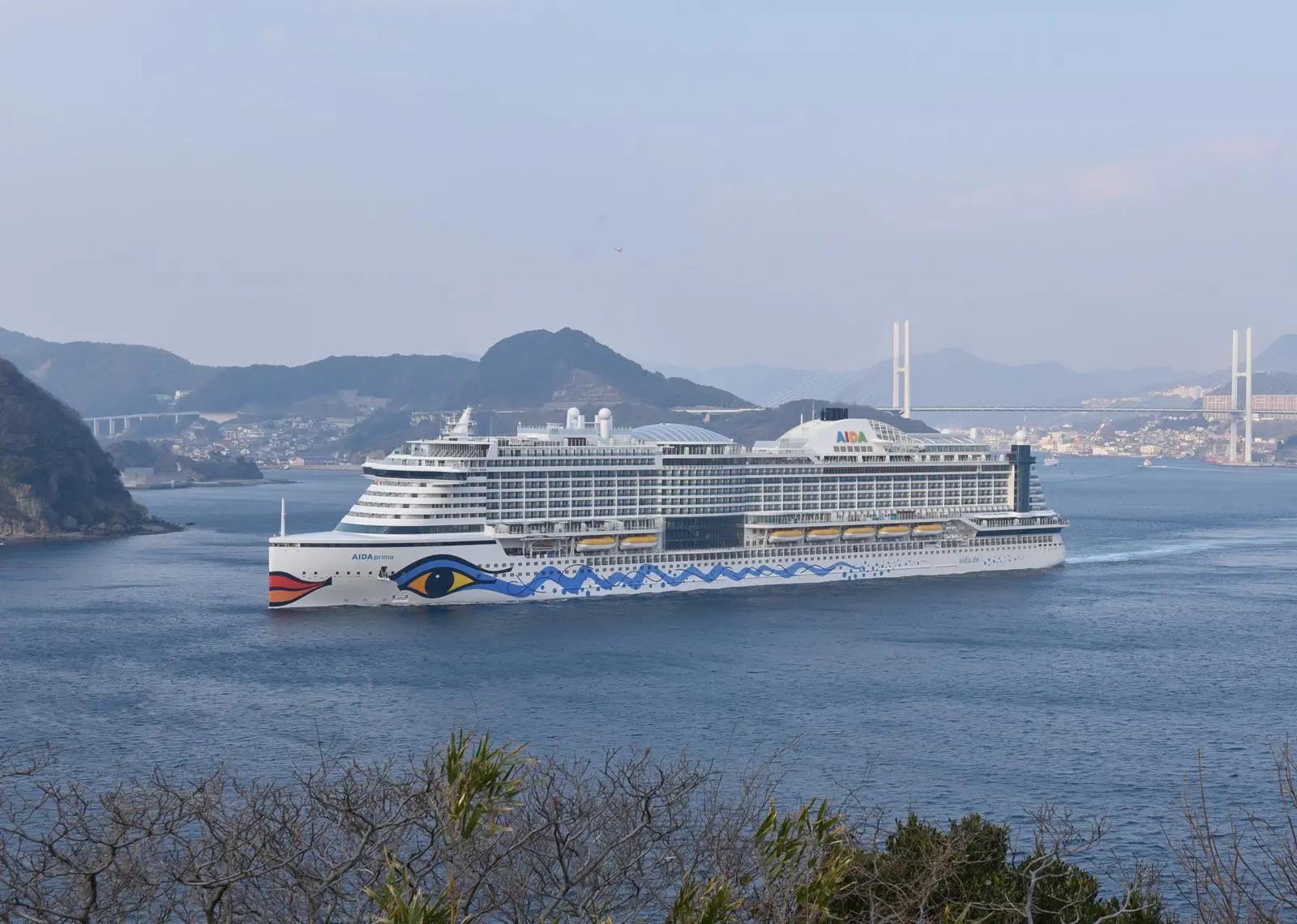
Tote’s own experience of LNG goes back to 2012. Today the company operates two newbuild LNG-fuelled containerships, the Marlin class, on a regular service between Puerto Rico and Jacksonville. The conversion of two Orca class containerships to LNG running is expected to begin this year, as is the construction of a permanent reliquefaction plant by Tote’s partners in Jacksonville, Pivotal LNG and WesPac Midstream.
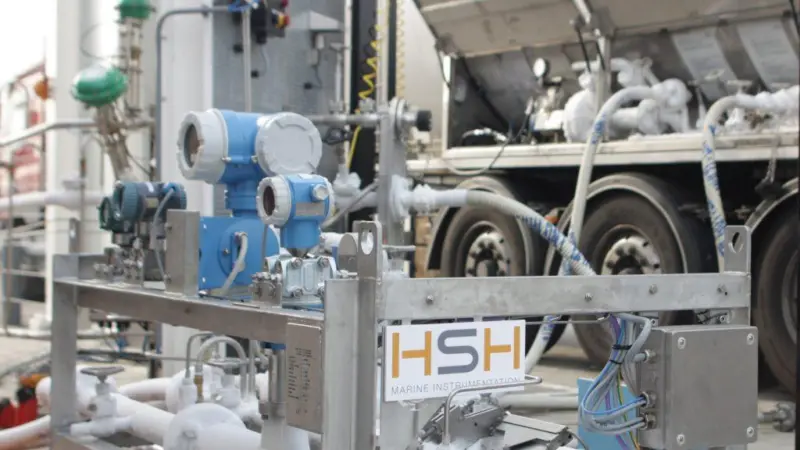
For now, the Marlin vessels are refuelled weekly in a process that sees 25 trailers of LNG (in ISO tanks) loaded in just five hours, thanks to a proprietary skid system developed by Tote. A bunkering barge developed in cooperation with GTT is also expected to be in operation by next year. A further reliquefaction plant, in Tacoma, will complete the project.
Keller says: “Our individual business between Jacksonville and Puerto Rico has the benefit of being a closed loop. However, we believe that much of what we’ve learned is transferable to the broader industry. When we are done we’ll be able to bunker any ship in Jacksonville, and in the Pacific Northwest at Tacoma – that’s two major ports. Now others need to use what we’ve developed, and with SEA\LNG we’re trying to transfer that knowledge to facilitate the same kind of synergies.”
Along with the other SEA\LNG players – Carnival Corporation, DNV-GL, ENGIE, ENN Group, GE Marine, GTT, Lloyd’s Register, Mitsubishi, NYK Line, Port of Rotterdam, Qatargas, Shell Downstream and Wärtsilä – Tote wants to bring that experience to bear in the development of a wider market for LNG as a marine fuel. With organisations including the Society for Gas as a Marine Fuel (SGMF) already tackling market barriers from a technical and safety perspective, SEA\LNG plans to bring the business case – supporting ports that want to develop LNG bunkering, ship owners considering their own fuel choices and regulators seeking a consistent global approach.
The consortium is not, Keller stresses, a commercial collaboration. Partners will not be working together to the exclusion of others, but conversely helping other companies to overcome barriers to LNG uptake – driven by a shared belief in gas as a viable, safe and important fuel source. Concrete plans will take another month or so to emerge, but Keller’s closing words from the SEA\LNG launch give a strong indication of their direction.
Keller said: “One of the key ways we will deliver our message is by demonstrating working commercial projects. We will also work with innovators as they develop and bring their pilots from concept to reality. In this way we can better understand commercial barriers, educate, understand the regulatory challenges and work with ports to provide the critical bunker infrastructure.”