SEALNG brings the business case
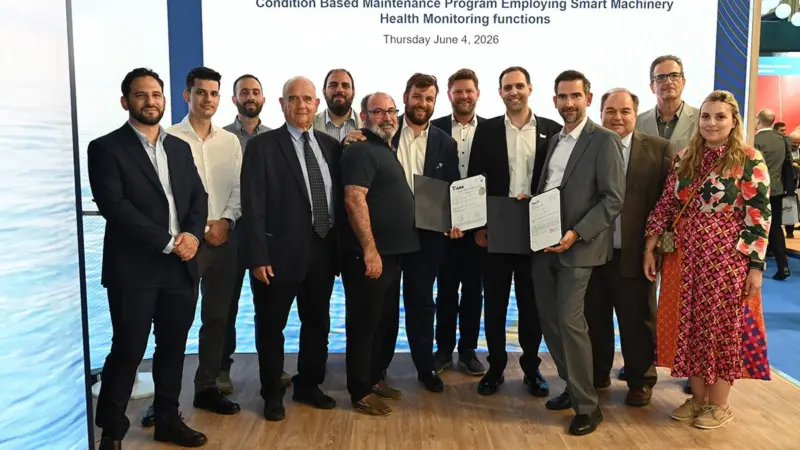
The SEA\LNG group – Carnival Corp, DNV GL, Engie, ENN Group, GE Marine, GTT, Lloyd’s Register, Mitsubishi, NYK Line, Port of Rotterdam, Qatargas, Shell Downstream, Tote and Wärtsilä – comprises leading companies from across the LNG value chain, from molecule owners to ship operators. At a launch event in London, the partners announced their intent to commit mutually agreed human resources, data analysis, and knowledge sharing in support of initiatives to accelerate the widespread adoption of LNG.
Although a firm action plan has yet to be put in place – first projects are expected to be revealed this month or next – the main areas of focus for the coalition will include supporting the development of LNG bunkering in major ports; educating stakeholders as to the risks and opportunities in the use of LNG fuel; and developing globally consistent regulations for cleaner shipping fuels.
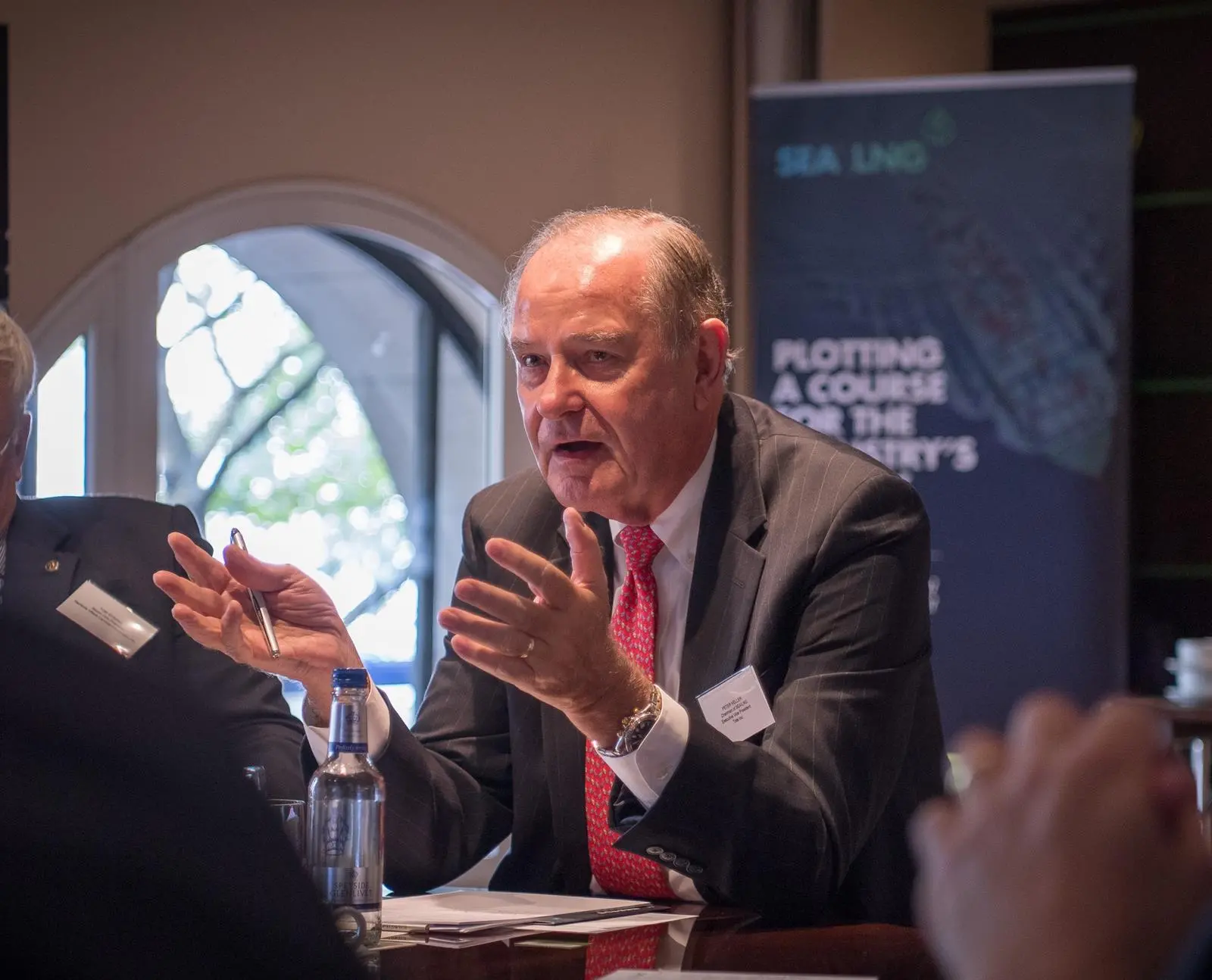
Peter Keller, chairman of SEA\LNG and executive vice president of Tote, explains: “We recognise the need to work closely with key players across the value chain, including shipping companies, classification societies, ports, major LNG suppliers, downstream companies, infrastructure providers and OEMs to ensure an understanding of the environmental and performance benefits of LNG as a marine transport fuel. SEA\LNG aims to address market barriers and help transform the use of LNG as a marine fuel into a global reality.”
BREAKING BARRIERS
While LNG offers significant environmental advantages over heavy fuel oil and compliance with current and anticipated future regulations, there are significant barriers to its uptake. Costly infrastructure is needed in ports to enable quick, safe and economical bunkering, and LNG-fuelled vessels remain expensive to build and retrofit. Lack of globally consistent regulation is also a potential obstacle.
It is for these reasons that LNG-fuelled shipping has primarily been concentrated in specialist sectors, notes Leo Karistios, gas technology lead, Lloyd’s Register. Among these are short-sea routes and ferries operating between two fixed ports. This certainly the case for some of the ship owners involved in the SEA\LNG cooperation.
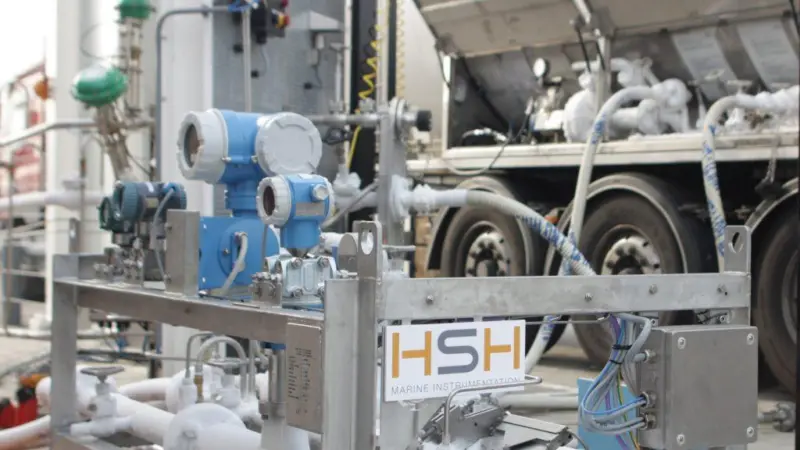
Tote operates a point-to-point service using its two Marlin class newbuild containerships, and has successfully bunkered gas in both Puerto Rico and Jacksonville, where construction of a permanent reliquefaction plant is under construction. For now bunkering takes place weekly, by truck and in less than five hours (for 25 ISO tanks) given a proprietary skid system developed by the company. Conversion of a further two containerships, the Orca class, is expected to begin this year, and another reliquefaction plant in Tacoma will open up the Pacific Northwest for LNG bunkering.
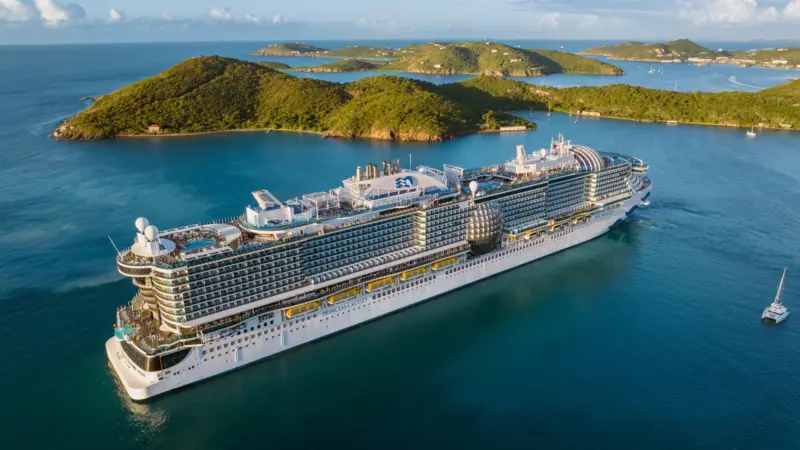
Carnival Corp already operates one partially LNG-fuelled newbuild, the AIDAprima, which has no LNG tank capacity but takes a gas line to its Caterpillar MaK 12M46DF dual-fuel engine – the other three engines are diesel-burning MaK 12M43C units – when connected to shore infrastructure in Hamburg. She will be joined by sister ship AIDAperla next year, while Carnival’s first vessels to be powered mainly by LNG at sea – two ships under the AIDA brand and two for Costa Cruises – will be delivered between 2019 and 2022. The cruise company has already signed a strategic partnership with Shell for LNG supply to the forthcoming AIDA vessels, whereby the ships will take on gas bunkers via truck at Rotterdam and Zeebrugge.
NYK Line introduced the first LNG-powered tugboat in Japan last year, and its United European Car Carriers (UECC) joint venture with Wallenius Line is set to take delivery of two dual-fuelled pure car and truck carriers, designed to undertake a fourteen-day round trip in the Baltic between refuellings. The 181m loa ships will accommodate a single MAN B&W 8S50ME-GI dual-fuel prime mover, with two Wärtsilä 8L20DF engines and one 6L20DF as auxiliaries. Under a supply agreement with a venture comprising NYK Line and fellow SEA\LNG partners Engie and Mitsubishi, the two UECC vessels will take on LNG via bunker barge at Zeebrugge.
BEYOND CLOSED LOOP
The above projects may push the use of gas fuel beyond its traditional domain of short-sea shipping, but they are essentially ‘closed loop’ systems, with LNG bunkering at a limited number of points on a set route. The SEA\LNG initiative hopes that by showing such projects to be commercially viable, the partners will convince other deep-sea commercial ship operators to invest in LNG.
Keller notes: “We believe that much of what we’ve learned is transferable to the broader industry. When we are done we’ll be able to bunker any ship in Jacksonville, and in the Pacific Northwest at Tacoma – that’s two major ports. Now others need to use what we’ve developed, and with SEA\LNG we’re trying to transfer that knowledge to facilitate the same kind of synergies.”
As the above projects show, SEA\LNG partners have cooperated before in several permutations. But the members are keen to stress that the consortium is not a commercial collaboration. Partners will not be working together to the exclusion of others, but conversely helping other companies to overcome barriers to LNG uptake.
Lauran Wetemans, general manager downstream LNG, Shell, explains: “To make the transition to LNG as a fuel happen it needs close collaboration with key players across the full value chain. SEA\LNG aims to promote the benefits and potential of LNG fuel, and create a level playing field for LNG with other fuels. It will complement the work being done by other organisations like the Society for Gas as a Marine Fuel (SGMF).”
The reference to SGMF provides an opportunity to clarify the need for another LNG-based industry grouping. Tote’s Keller tells The Motorship that, while SGMF has focussed on promoting the advancement of technical and safety standards, SEA\LNG will be dedicated to advancing the commercial case.
“One of the key ways we will deliver our message is by demonstrating working commercial projects,” he says. “We will also work with innovators as they develop and bring their pilots from concept to reality. In this way we can better understand commercial barriers, educate, understand the regulatory challenges and work with ports to provide the critical bunker infrastructure.”
According to DNV GL, as of 21 March there were 77 LNG-fuelled vessels (excluding gas carriers and inland waterways vessels) in operation worldwide, with a further 85 confirmed orders to 2022. The rise of LNG-ready vessels, designed with a potential future retrofit in mind, is an indication both of the potential attractiveness of LNG as a fuel, and a lack of willingness to invest in it today – DNV GL forecasts the number of LNG-ready vessels worldwide to rise from 14 last year to 52 by 2018.
SHORT-TERM SLOWDOWN
The projected growth trajectory may be significant, but barring a surge in orders even by 2022 LNG-fuelled vessels will represent a tiny fraction of the global merchant fleet. As Tjerk-Johan de Vries, region manager West Europe & Africa at DNV GL, admits: “The groundwork has been laid for LNG to thrive, but we need a cross-industry approach to realise the full potential of LNG-fuelled shipping.”
A surge in orders does not appear to be on the cards, in the short term at least. Last year DNV GL updated its ‘Shipping 2020’ forecast to remove its earlier projection that 1,000 LNG-fuelled ships will be in operation by that date. More recently, containment specialist and SEA\LNG partner GTT cut its 2016 revenue expectation by €10 million (a -2% adjustment) based on a “time lag in the construction milestones of some vessels and the current level of new orders”, according to chairman and CEO Philippe Berterottiere.
Cecile Arson, chief financial officer, GTT noted: “We observe a wait and see attitude among players in the LNG chain, among gas companies who will be at the origin of LNG projects… and further downstream, shipowners.”
The current low price of oil is a clear limiting factor in shipowners’ investment decisions. A recent project between MAN Diesel & Turbo and DNV GL, first presented at the Gas Fuelled Ships Conference (organised by The Motorship publiaher Mercator Media) in Hamburg last November, studied the impact of fuel price spreads on the viability of alternative fuels. The capex and opex implications of LNG, LPG, methanol (both in single- and dual-fuel variants) and ultra-low sulphur (0.1%) fuel oil were compared against a base case fuel for a 75,000dwt panamax LR1 tanker plying a Houston-Rotterdam-Ventspils-Houston round trip.
CAPEX CHALLENGE
On the capex side, LNG comes out dear – close to US$10 million above base case if LNG will be the primary fuel, and close to US$7 million if HFO is primary and LNG is used only where needed for compliance (in SOX and NOX emission control areas, and globally after the sulphur cap is introduced in 2020 or 2025). Both versions feature the same base engine, a MAN B&W 6G60 ME-C9.5, with a second fuel system enabling the engine to work as a dual-fuel engine. The difference in price is due to the investment needed in a second fuel tank, for LNG, with the combined HFO/LNG operation requiring a smaller second tank.
With an LPG tank installation costing a third of the price of a similar sized LNG tank, capex for an LPG or LPG/HFO burning tanker are significantly lower than either LNG option – just under US$5 million and US$4 million respectively. Capex for methanol or methanol HFO is even lower, at around US$3 million above base case, while the use of ultra-low sulphur oil requires no additional investment.
But what LNG costs ship owners in capex, it makes up for in reduced opex due to the fuel’s relatively low price. In fuel price projections to 2022, both LNG and HFO/LNG operation generate positive annual cash flow instantly assuming a high oil price (at mid-2014 levels), due to the large spread with HFO. Under a low oil price scenario, with the spread between LNG and HFO projected to be smaller, the primary use of LNG only becomes advantageous after the global sulphur cap is introduced. The primary use of HFO, with LNG used only in ECAs, is marginally positive for cash flow in the low-price scenario. Whether the future fuel price is high or low, LNG as a primary fuel certainly starts to make more sense financially after the global sulphur cap is introduced. Of the fuels included in the study, only the use of LPG (either on its own or combined with HFO) could potentially offer similar cash flow advantages.
LONG-RANGE VISION
If the results of that study are taken at face value, they indicate a strong long-term future for LNG as marine fuel. It is a vision embraced by Engie (another SEA\LNG partner) according to Philip Olivier, CEO of the French energy company.
“LNG has the potential to take a 10% market share of global bunker demand by 2030,” Olivier states. “Everybody is calling for alternatives to reduce environmental impacts. That’s why we have joined forces to actively promote LNG as a key fuel in maritime transport.”
The challenge for those championing the use of LNG is simple to state, daunting to tackle. Stakeholders – whether developing infrastructure, technology, ships or regulations – must be convinced that the long-term potential of LNG, both in terms of environmental impact and economic viability, justifies the considerable short-term investment. By bringing the commercial case, SEA\LNG aims to play significant part in that persuasion.