Guiding LNG development in North America
The Motorship: Please provide an account of the current LNG fuelled fleet and LNG bunkering infrastructure, operational and planned, in the US.
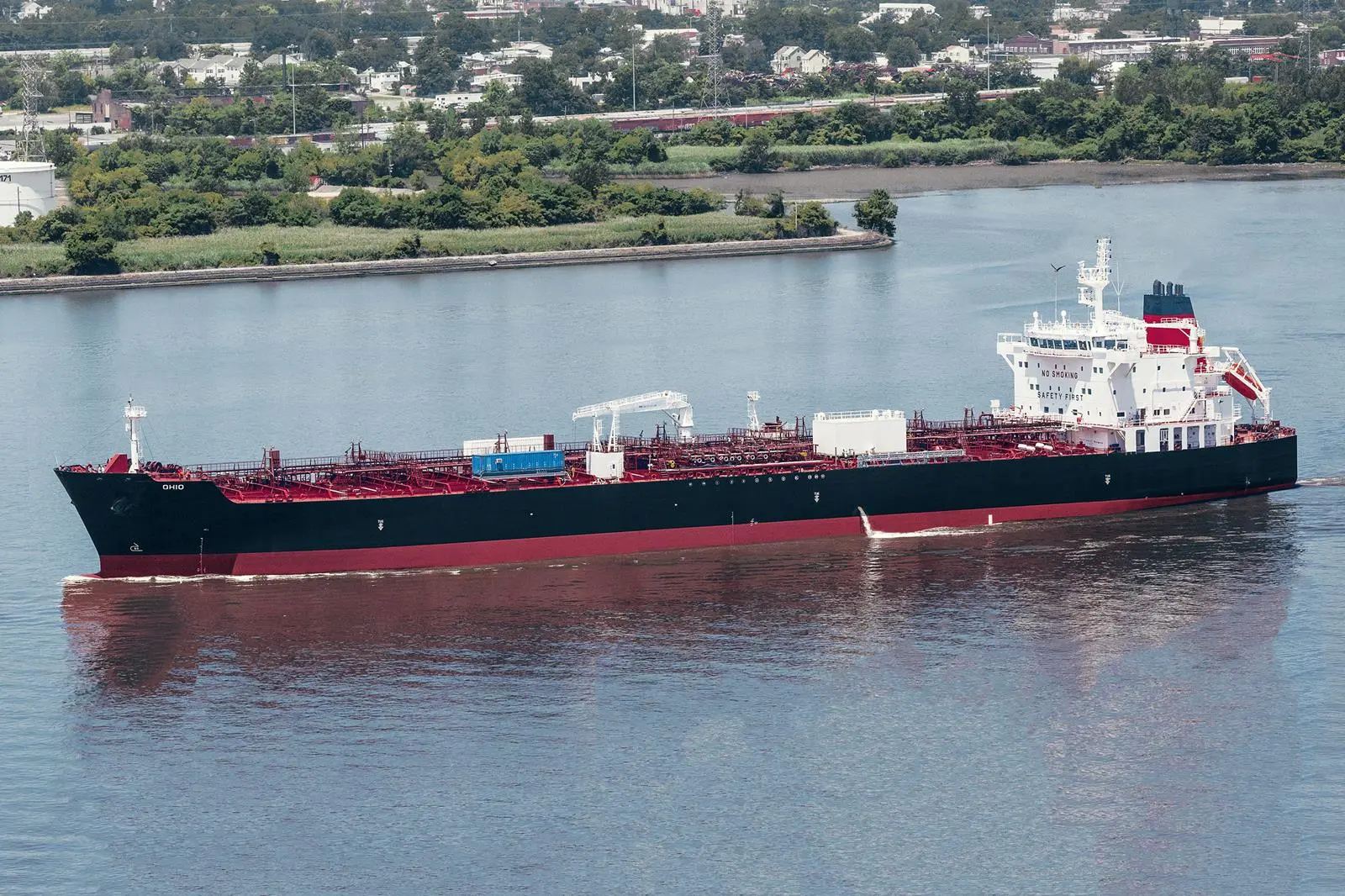
Janssens: Operational LNG-fuelled ships in the US include four OSVs owned and operated by Harvey Gulf and two Marlin-class containerships owned and operated by TOTE Maritime. The first LNG bunker barge, built for Clean Marine Energy, is due to commence operations shortly. Crowley Maritime is in the process of launching a series of four LNG-Ready tankers for Jones Act operations, and another four are under construction for American Petroleum Tankers.
How do you project the fleet and bunker infrastructure will grow? How have these projections changed in the past two years, as the low oil price has held back the case for investing in LNG?
From a commercial perspective, the lower oil price certainly has slowed the adoption of LNG as fuel. The spread between LNG and low sulphur fuel oil is the savings the ship operator recognizes as the reduction in operational cost of the vessel. Due to the high initial investment, we expect the bunkering infrastructure development to continue to be project specific.
However, what ABS does see is increased enquiry from owners planning to renew their fleets and interested in making these vessels LNG-Ready for possible future conversion. ABS has published a Guide to this process, which enables owners to prepare for this conversion with different levels of readiness.
What are the major factors that have driven the development of LNG as a marine fuel in North America, to this point?
A combination of regulatory drivers, sustainability and of course, the bottom line. Early adopters made their decisions in an environment of low relative gas-to-oil pricing, and an unlinked gas market price in the US made this opportunity more attractive.
Regulations must certainly be complied with and not just now but over the entire life of the vessel.
For the early adopters in North America, commitment to environmental stewardship weighs significantly in the business case for using LNG as a marine fuel, as does public perception of shipping companies to some extent. Shipowners and operators view the use of LNG as fuel as a significant step in reducing the carbon footprint of their vessels, and positive environmental performance has become an important element for charterers and shippers.
What are the major outstanding obstacles to LNG uptake in the US – economically, technically and from a regulatory perspective? How is ABS working with the industry to overcome these?
When the US began building LNG powered ships, it meant a steep learning curve for designers, shipyards and owners from a technical point of view. A great deal of learning has been locked in during this process, but there is still a need for close co-operation and a partnership with a class society such as ABS, which brings practical experience and real-world knowledge and which can help educate and inform the process.
In terms of regulation, the adoption by IMO of the International Code of Safety for Ships using Gases or other Low-flashpoint Fuels (IGF Code) has removed or reduced many of the previous obstacles and made the process clearer for stakeholders to understand.
Commercially, there is more work to be done developing the fuel supply chain so owners feel confident that the fuel they need will be available in the right locations if they choose an LNG solution.
The lack of bunkering infrastructure remains the biggest economic obstacle in the adoption of LNG as a marine fuel. Due to the current lean demand in LNG uptake, bunker suppliers are not yet ready to make speculative investments on developing the bunkering infrastructure. LNG bunkering solutions would be project-specific with a focus on reducing the bunker delivery costs and the lead time for developing such solutions.
ABS is working with clients to assist them in better understanding the current regulations and to help them realize the environmental benefits of using LNG as a marine fuel.
Which are the main current LNG-related projects for ABS at present, both in the US and globally?
In addition to the Harvey Gulf OSVs, the first LNG-fuelled OSVs to work in the Gulf of Mexico, the TOTE boxships and Crowley and APT LNG-Ready vessels are in service or being delivered. ABS will class the Clean Marine LNG Bunker Barge, the conversion of two Orca-class ro-ro vessels for TOTE and two Spirit-class ferry conversions for BC Ferries. On a global basis, ABS will class a series of four large LNG-fuelled ethane/ethylene carriers for Navigator Gas and a series of six feeder containerships for Nordic Hamburg.
ABS was chosen as the class society for the recently announced ‘Project Forward’ which will develop designs for a Kamsarmax bulk carrier powered by LNG. This LNG-fuelled vessel design is considered a step forward as it has been developed for continuous, deep-sea operation using LNG on tramp shipping routes.
In the gas carrier market, ABS recently provided class approval for the first conversion of a conventional LNG carrier to a slow speed LNG-fuelled engine on a Q-Max LNG carrier.
How has ABS worked to improve the safety of LNG-fuelled vessels and bunker operations as the US marine LNG infrastructure has grown? What work is left to do in the safety sphere?
ABS is a pioneer in storage, transport and handling of gas. ABS classed the very first LNG carrier and today is classing some of the largest and smallest ships afloat or under construction. We bring half a century of experience and unmatched technical knowledge to LNG as fuel projects across multiple vessel types and sizes.
It is the mission of class to make sure that innovative ideas such as new containment systems meet established standards, highlighting specific requirements and helping to support the safe development of the supply chain.
We have been closely involved in the development of the IGF Code, providing input and feedback based on our experience and technical expertise. ABS was part of the US Delegation to the IMO Maritime Safety Committee, providing technical support on key safety issues for adopting the Code. Our work with both the industry and bodies such as the US Coast Guard has meant potential issues could be tackled with practical solutions as regulations took shape.
ABS also has been actively involved in the ISO Technical Committee for developing LNG bunkering standard.
The rapid expansion of LNG infrastructure in the US has created an opportunity for ABS to contribute to safety by providing training for owners, operators, designers and yards, since the use of LNG as fuel requires detailed knowledge, understanding and experience.