Editorial: OEMs role in advancing gas fuel
The infamous LNG ‘chicken and egg’ for those who have not come across it runs like this: bunker infrastructure suppliers will not invest until they see the market for LNG-fuelled vessels, and vessel owners will not invest until there is enough infrastructure. In simple economic terms, suppliers want to see a rise in demand to make further investment worthwhile, but potential consumers are waiting for supply to increase before committing.
At the heart of the issue is price. For a ship owner, that means calculating payback periods for the additional capex associated with retrofitting or newbuilding a ship, given the price spread between LNG and whichever fuel would otherwise be used. The additional income that the owner can expect from using LNG must also be considered.
For most ship owners, these sums do not yet add up. To spur investments in LNG-fuelled ships capex must get cheaper, fuel spreads improve (and be relied upon to remain that way) or ship owners’ customers be willing to pay more to use those vessels.
According to Julien Bec, vice president, LNG as fuel, GTT, two-thirds of the cost of LNG is in logistics and infrastructure. That offers scope for price reduction, but will likely require an increase in demand before movement is made. Similarly, asking charterers to pay above market rate has been shown not to work. As one tanker owner notes, when the shipping market is host to an abundance of low-cost competition, persuading charterers to spend more is difficult.
Capex is determined largely by the equipment suppliers and shipyards, who should be open to reasonable terms in the current market. But speaking to ship buyers this month, The Motorship reconfirmed that retrofitting for LNG remains prohibitively expensive for most. Newbuilding can make sense, but with building projects thin on the ground, anyone expecting the market in LNG vessels to be driven by new ship orders will be waiting for a long time.
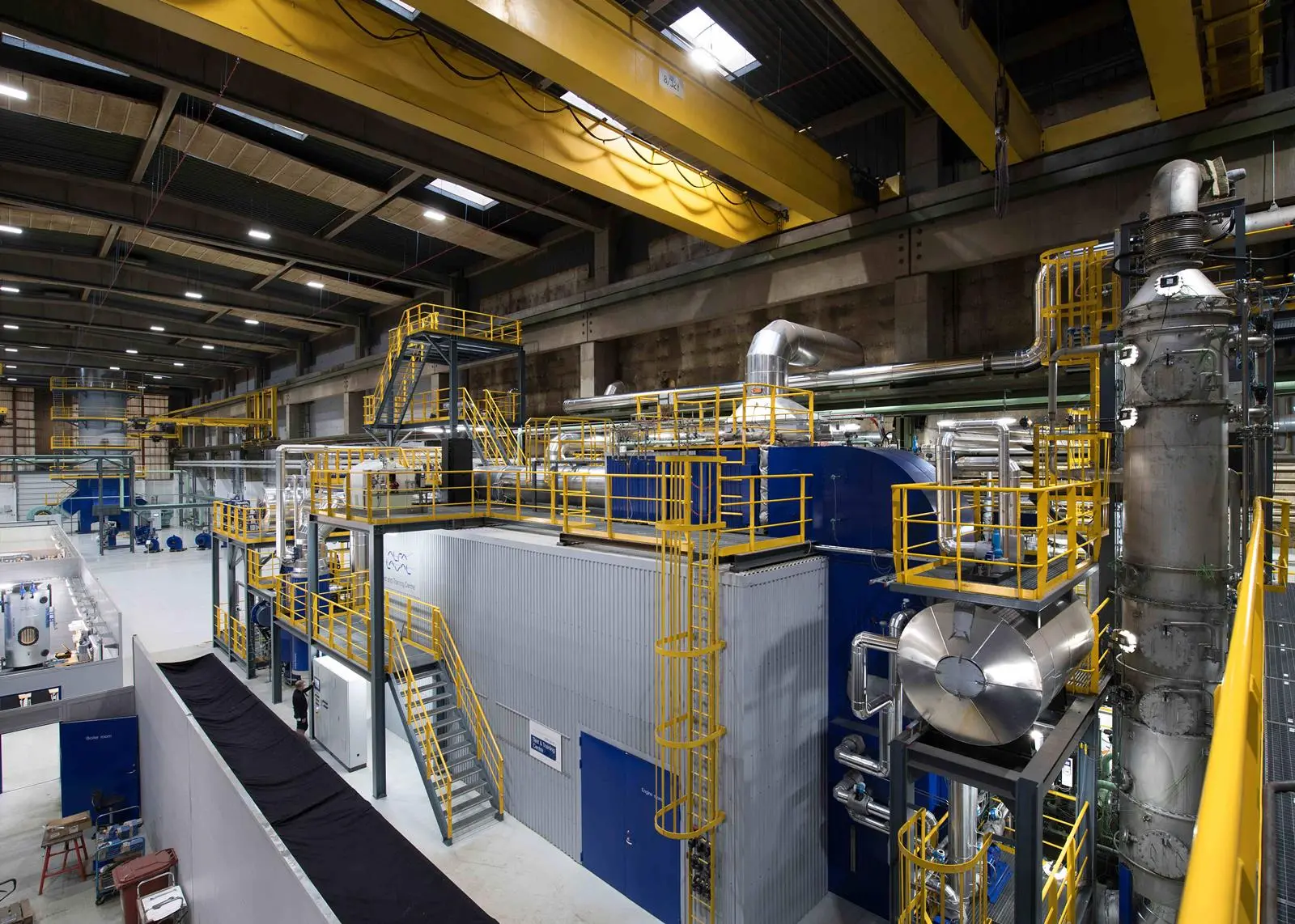
Investment in gas technology by suppliers could help solve the conundrum. Alfa Laval’s newly opened testing and training centre this month is one example. The company hopes the facility will advance the efficiency of gas equipment. Other suppliers too are spending on research. If those developments help to reduce outlay for ship owners, there could yet be a way out of the poultry precedence paradox.