A place for big ideas
Heavy fuel oil is ‘discouraged’ in the Arctic and completely banned in the Antarctic, which means there is a greater emphasis on low-pollution propulsion, for example LNG.
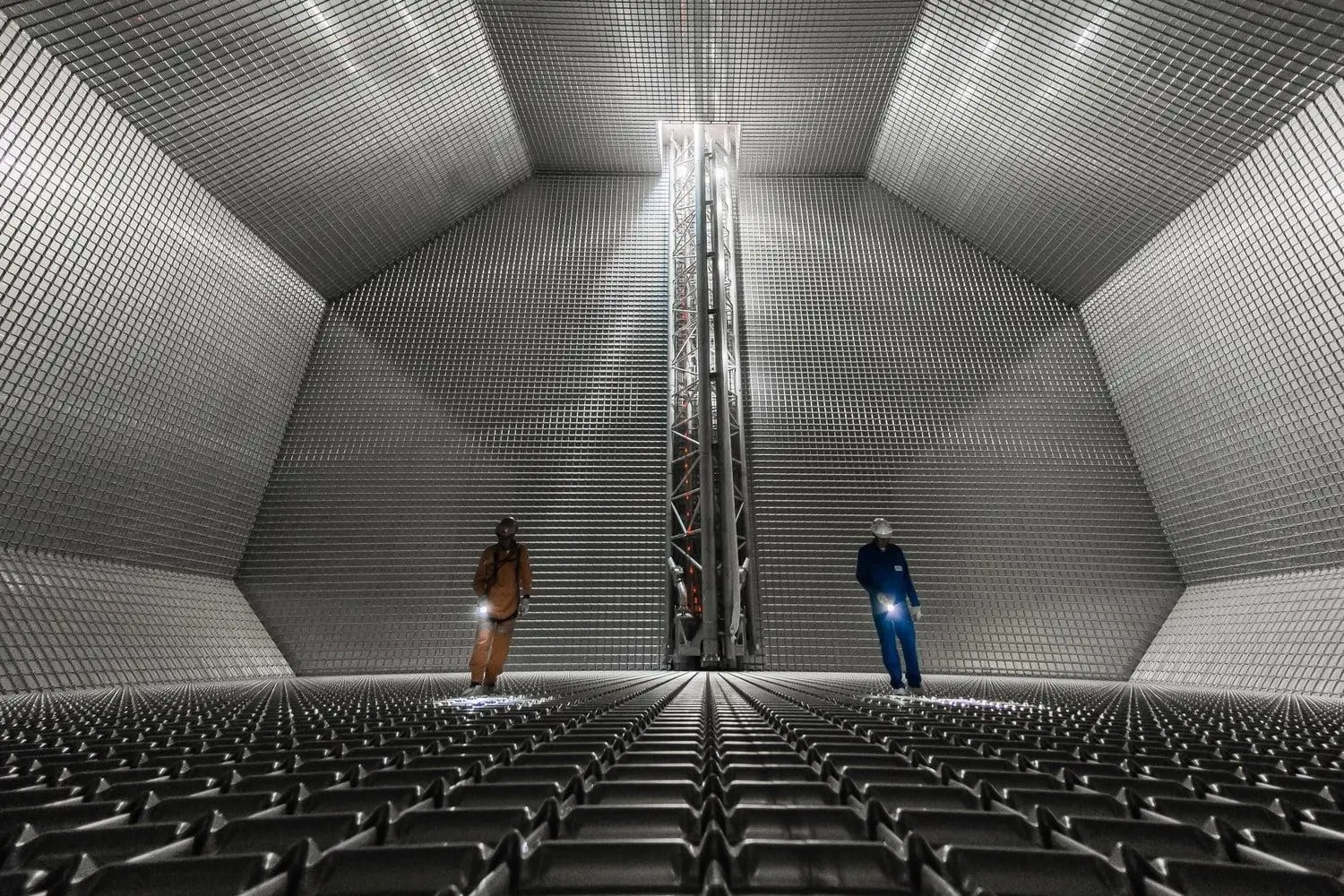
However, big cruise vessels are quite literally ‘pushing the envelope’, as large tanks are a necessity for clean running in these pristine conditions. Therefore GTT, with support from Deltamarin, is looking at how membrane tank technology could rise to meet the specifications but keep within a reasonable footprint.
The first step was to modify a generic design: the base case being given by a 5,000 passenger leisure cruise ship with around 2,000 cabins, overall dimensions of 340m by 42m with a draft of 8.4m. For realism, “the cruising range was put at 6,000nm with a relatively high service speed” explains Vesa Hamarila of Deltamarin.
Although actual fuel consumption varies tremendously depending on operation, propulsion is by far the largest consumer. One study that Deltamarin performed on cruise vessels operating in the Baltic showed that the ships spent about 25% of their time in harbour but consumed less than 15% of their energy during this stay, underlining the slant toward higher energy draw during transits.
So membrane tank manufacturer GTT has been working to scale up from its present marine installations to respond to interest from the cruise market.
However, membrane tanks’ differentiating characteristic present challenges for designers. On one hand they provide an economical use of space as unlike C-type tanks, they are not ‘stand-alone’ pressurised containers says Hamarila. On the other, since part of the membrane tank’s structure comes from being fully integrated into the hull itself, there is a consequent need to fit the tank structure to the surrounding architecture – and vice versa.
Given this, Deltamarin had to find a way to settle in a huge, GTT-defined membrane tank 32.7m long, 24.6m wide and 5m high: the solution seated it on the first deck, positioned symmetrically across the ship’s centreline and a little forward of amidships in a location that fulfils stability and IGF criteria.
However, the sheer size of the tank means that there’s a “difficult” subdivision to take into account explains Hamarila; it will need to extend through a watertight compartment bulkhead and cut five pillar webs – which means removing no fewer than 10 pillars. Compensating for the loss of structural integrity has to be carried out carefully; in this case it meant failure modes analysis of the maximum loads that could get transferred down through the pillar lines from the surrounding decks.
More, he adds: “If you crest a wave, you also have to ask how both the tank and the structure will flex as a result of the forces coming up from below.”
It has to be well balanced: on one hand, the structure could not be too heavy, says his colleague Nina Savijoki: “We had to look at everything that could happen in the area and what the impact of the extra weight would be.”
But part of the process for Deltamarin and GTT was to define the limits on how much the structures could flex so as not to cause any damage to either the tank insulation or the area above.
Further, “on a cruise ship everything is about utilising every single centimetre, you can’t afford empty spaces,” says Hamarila and after you take out the luxury spots and those disallowed by regulation, an owner can be left with little choice about where the crew cabins are placed which means a number may well be positioned directly over the tank area.
“A cabin deck is quite sensitive to flexing because of cabin module structures, floor masses and so on,” explains Ms Savijoki, but tying together experience and theoretical considerations resulted in “values that could be acceptable in a real-world cruise ship”.
By Stevie Knight