AET shuttle tankers enlist ABB power systems
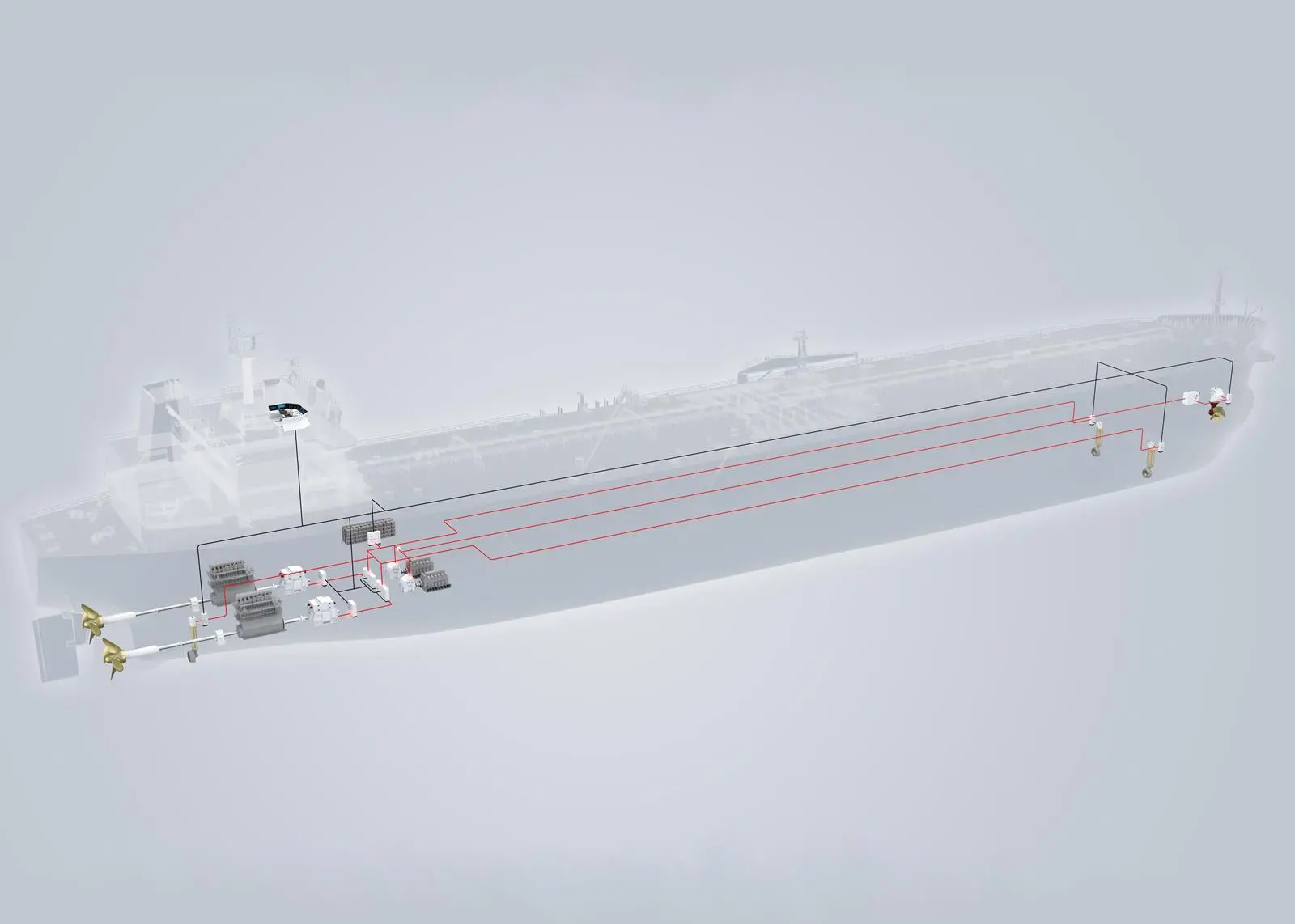
The twin-screw, 125,000dwt vessels are destined for work with Norwegian oil company Statoil (recently renamed Equinor), transporting oil from its fields on the Norwegian and UK continental shelves to land-based terminals. The novel fuel arrangement and ABB’s systems will contribute to an expected fuel saving of around 1,000 tonnes a year compared with conventional tankers.
“These state-of-the art tankers will have a service life of up to 30 years, operating in the harsh winter conditions of the North Sea,” said Juha Koskela, managing director, ABB Marine & Ports. “They need to be robust, competitive, capable of meeting anticipated environmental regulations and prepared for new energy sources.”
Systems provided by ABB will include the Onboard DC Grid power distribution system. The grid is designed to be highly configurable and allows for the use of variable speed generators. In the case of the new tankers it will manage distribution of electricity provided by shaft generators on two main engines. The grid solution is also well suited for LNG fuelled engines as it allows them to be operated at a more stable load.
Power systems will be controlled by ABB’s integrated Power and Energy Management System (PEMS), which enables generators to run at variable speeds optimally. In traditional AC systems, generators run at fixed maximum speed irrespective of the power demand on board, leading to unnecessary engine wear and poor fuel efficiency at lower loads.
ABB’s Integrated Control and Monitoring System will work with PEMS to enable the crew to operate the vessels’ steaming and dynamic positioning operations at the lowest possible specific fuel consumption.
The vessels will also use the ABB Ability Marine Remote Diagnostic System. Which is claimed to reduce on-call visits of service engineers by up to 70%, and maintenance costs by up to 50%, through predictive monitoring.