AET throws weight behind LNG transition
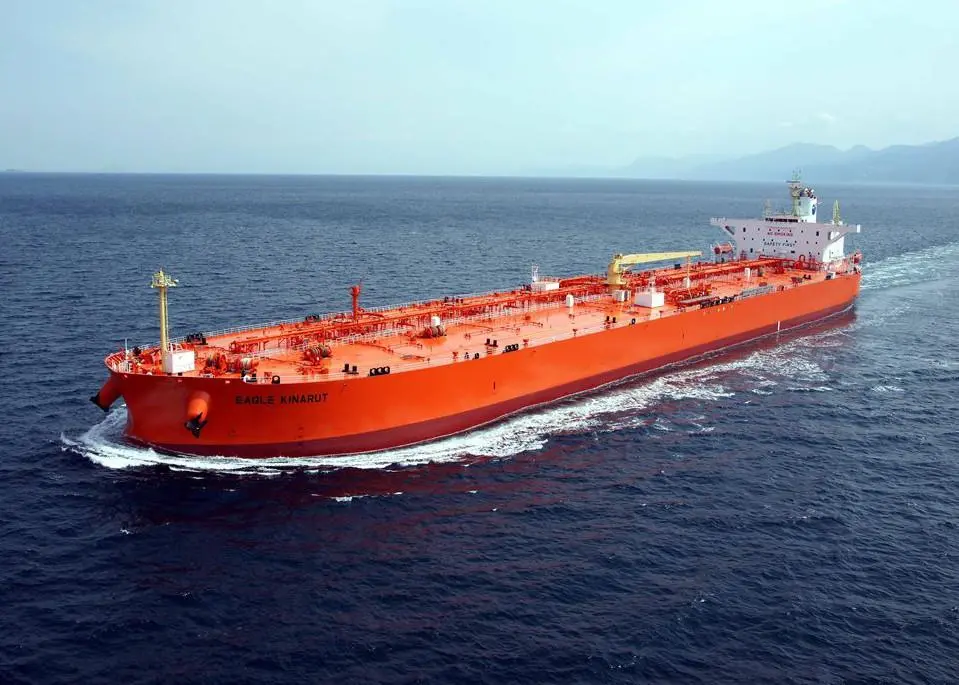
The 113,000 dwt vessels, due for delivery from the third quarter of 2018 onwards, will replace existing tonnage as part of an ongoing fleet renewal programme, and will join AET’s fleet of petroleum and chemical tankers which operates worldwide ensuring the company continues to deliver optimum solutions for its customers. AET also stated that up to half of its Aframax fleet and other petroleum assets, including VLCCs, will adopt LNG dual-fuel technology over the next few years.
The announcement follows news that Sovcomflot has ordered four 114,000 dwt LNG-fuelled Aframax vessels from Hyundai Heavy Industries, for delivery next year. Together the Sovcomflot and AET vessels will be the first LNG-fuelled oil tankers, and among the first gas-powered ships plying flexible, deep-sea routes.
AET noted that investment in LNG-fuelled ships is a sustainable solution environmentally while also strengthening the company’s resilience to fluctuations in operating costs. Fitted with twin LNG tanks, the vessels will be able to trade on LNG fuel for about a month before refuelling and will likely operate in North America, northwest Europe and Asia. The company is working with potential LNG suppliers to ensure reliability of the bunker supply chain.
Yee Yang Chien, chairman, AET (and president and group CEO of parent company MISC), said: “We have complete confidence that LNG will play a significant part in the marine fuels mix in the coming years, and we have been reviewing the feasibility of developing a dual-fuel LNG fleet since 2015.
“MISC is a leading global transporter of LNG, with unparalleled experience in handling LNG cargoes and a complete understanding of the entire supply chain. We are utilising this experience with the new AET ships which we believe sets us ahead of other operators with similar vessels. Our experience allows us to have confidence that the required infrastructure for LNG bunkering will develop at pace as we approach 2020 giving much more trading flexibility in the future.”
AET said the vessels will also be fitted with “a range of eco-innovations to maximise fuel efficiency and minimise their emission impact on the natural environment – this will enable them to be awarded the ‘green passport’ notation.”