Automotive shipping turns to biofuels
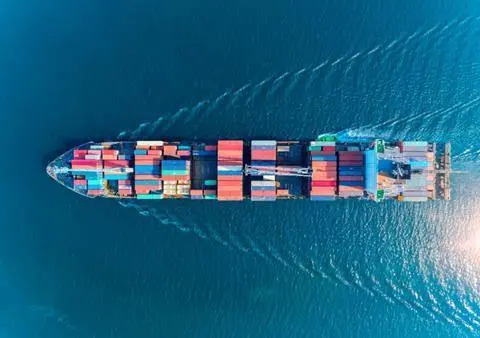
The companies estimate CO2 emissions per container will be reduced by 84%, saving around 9,000 tonnes of CO2 per year compared to vessels powered by fossil fuel.
“Our promise is to support customers in reducing their Scope 3 emissions coming from transportation and distribution,” explained Thorsten Meincke, global board member for air & ocean freight at DB Schenker.
“We will only succeed in shaping sustainable supply chains if shippers, forwarders, and carriers work closely together,” he added.
The start of a new long-term business relationship between DB Schenker and Volv Cars, the programme started in June and connects, among others, Volvo Cars’ Gothenburg production plant with the ports of Savannah, Newark, and New York.
DB Schenker procures second generation biofuel of the type used cooking oil methyl ester (UCOME). This fuel is certified by an independent third-party and not produced in competition with food crops.
When renewable fuel is not available on a specific shipment for Volvo Cars, it will be used for another customer’s transport elsewhere and allocated to Volvo Cars through a process called mass-balancing. This ensures that the overall cut in fossil fuel is on par with the actual use in container vessels.