Biodiesel gains ground in shipping
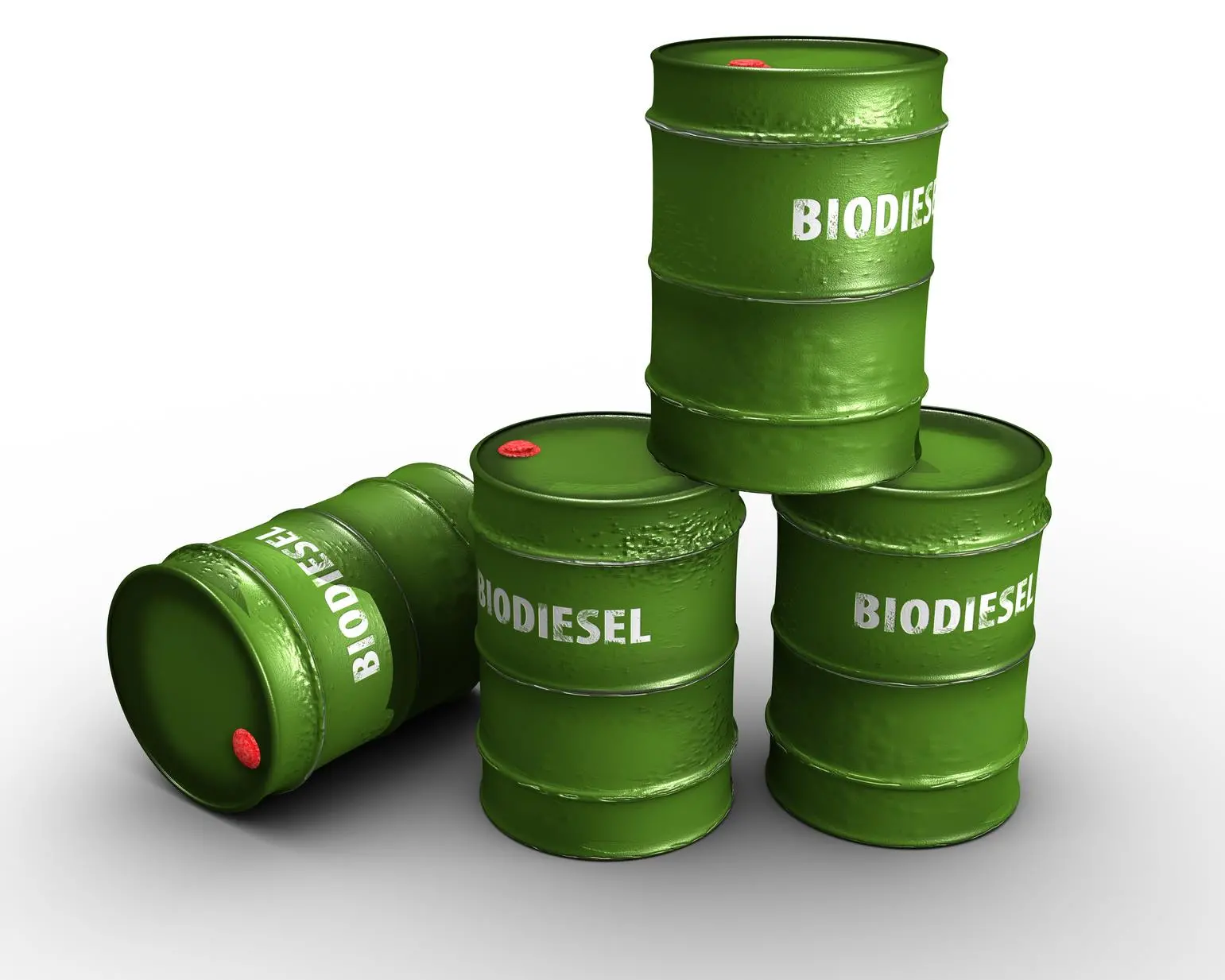
Industry analysis indicates that the price gap between conventional distillate fuels and B100 FAME (fatty acid methyl ester) has narrowed significantly in recent months. While biodiesel can still carry a slightly higher nominal price per tonne, its effective cost per voyage is now approaching parity, or even undercutting, fossil fuels when emissions-related costs are factored in.
“The economics have shifted quite materially,” said Paul Hoather, VPS UK sales manager. “Shipowners are no longer looking at biodiesel as a premium option. In many cases, it is becoming cost-competitive, particularly when you consider carbon pricing and regulatory compliance.”
The shift comes as marine distillates face sustained price pressure, driven in part by the war in Iran affecting global energy flows. However, biodiesel’s pricing is influenced more by agricultural feedstocks, insulating it from some of the volatility seen in oil markets.
This dynamic is prompting operators to reassess fuel strategies, particularly in Europe where emissions regulations are tightening under frameworks such as FuelEU Maritime.
“When you include the benefit of reduced CO2 exposure, the financial case strengthens further,” Hoather explained. “There is now a credible pathway where biodiesel delivers both environmental and commercial advantages.”
B100 FAME is already being adopted by some operators, while blended fuels such as B30 – comprising 30% biodiesel and 70% conventional fuel – remain the most common entry point due to their lower operational risk.
Despite the growing appeal, experts caution that biodiesel requires careful handling. Its lower energy density, susceptibility to oxidation, and tendency to absorb water mean that fuel management practices must be adapted.
“Biodiesel is not a simple drop-in replacement without consideration,” Hoather said. “But with the right procedures in place, we’ve seen it used successfully with minimal technical issues.”
As shipping lines weigh cost pressures against decarbonisation targets, biodiesel is increasingly positioned as a viable bridge between traditional fuels and longer-term zero-carbon solutions.