Can biofuels help superyachts decarbonise?
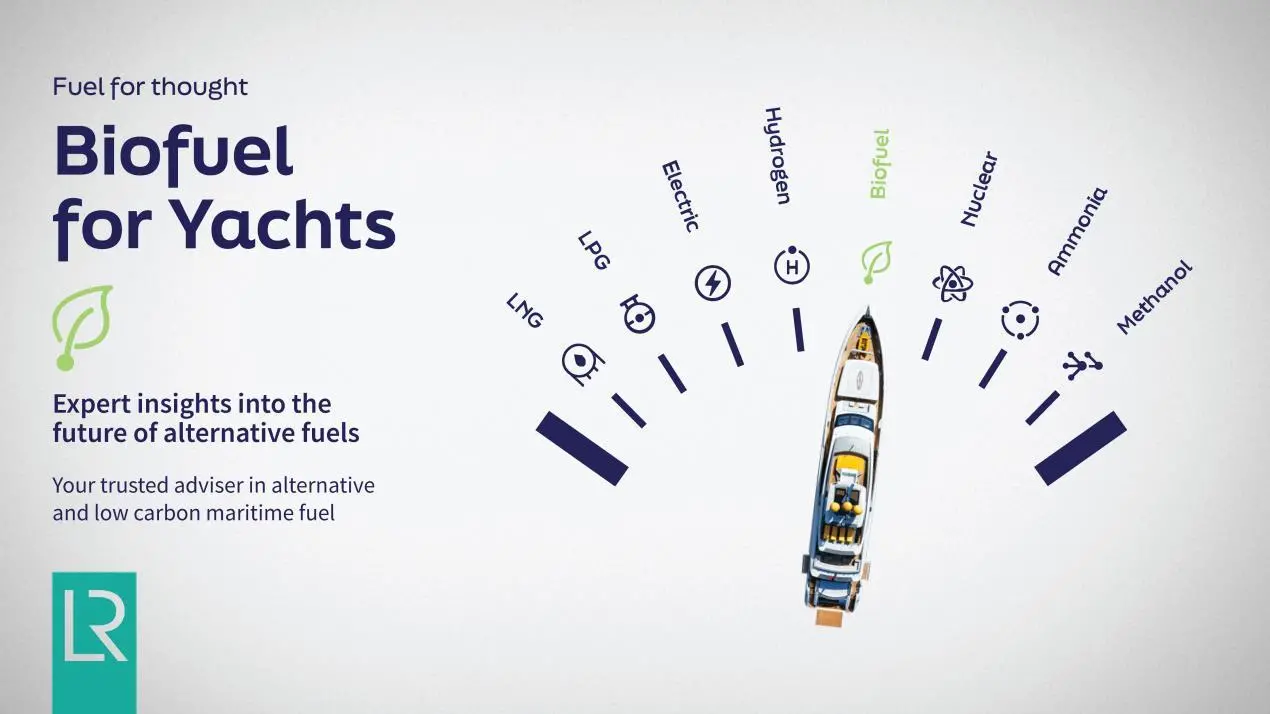
Launched during the Monaco Yacht show, the ‘Biofuels for Yachts’ report positions hydrotreated vegetable oil (HVO) as a viable, drop-in alternative to traditional marine fuels in the superyacht sector.
“The challenge is not whether the yachting industry will decarbonise, it’s how quickly it can,” said Engel de Boer, Global Yacht Segment manager at LR.
“Unlike past transitions driven by technological innovation or commercial advantage, today’s energy shift is propelled by environmental urgency, regulatory mandates and rising social expectations.”
With increasing pressure to reduce greenhouse gas emissions, particulate matter and sulphur oxides, HVO offers notable environmental benefits without sacrificing performance or requiring significant technical changes. Its compatibility with existing engines and infrastructure makes it especially attractive to yacht owners, captains and management firms.
The report dives into both the opportunities and limitations of biofuels in yachting, providing guidance on fuel quality, safety, toxicity, bunkering and regulatory compliance. It also addresses lifecycle emissions, market dynamics, supply chain considerations and NOx emissions.
HVO, derived through hydrotreatment, shares key properties with fossil fuels, making it suitable for existing bunkering and operational practices. LR notes that while biofuels are a practical short-term solution, broader strategies such as alternative propulsion technologies, sustainable yacht design and operational efficiency will be essential for achieving long-term decarbonisation goals.
To support this shift, LR offers its Biofuel Advisory service, delivering end-to-end support across the biofuel supply chain. Additionally, its Fuel Oil Bunker Analysis Service provides bespoke fuel testing to ensure quality and reliability.
Look out for The Motorship’s special report on biofuels, coming soon.