Commission reports on industry LNG concerns
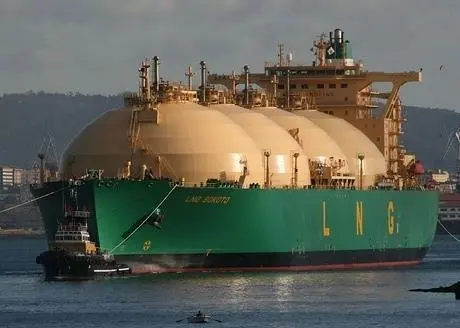
The study takes into account the overall EU policy aiming at reductions of emissions from shipping and looking for alternative energy sources, in view of growing constraints on the use of heavy fuels, and reveals that stakeholders recognise the environmental advantages of LNG as a shipping fuel, but are still uncertain whether they offer a clear business case.
“This study gives us a solid overview of the opportunities and remaining challenges for the use of LNG for shipping,” said Sandro Santamato, head of unit maritime transport and logistics, European Commission.
It also summarises recent legislation: the directive on sulphur content in marine fuel, and the directive on deployment of alternative fuels infrastructure, which aims at ensuring minimum coverage of LNG refuelling points in main maritime and inland ports across Europe by 2025 and 2030 respectively, with common standards for their design and use.
According to the study, the major motivation for stakeholders to use LNG as a shipping fuel is to be compliant with Emission Controlled Area (ECA) zone requirements and the related positive environmental effects.
But, financing LNG as a fuel and the pricing of LNG itself are holding many back, with many companies, especially shipping companies, saying LNG does not offer a profitable business model since the higher equipment costs for engines and tanks are not offset by savings in fuel or operating expenses.
According to the report, the lack of existing bunkering infrastructure for LNG at ports is also of major concern and is a barrier to the further deployment of LNG as a fuel.
The European Commission’s Directorate-General for Mobility and Transport (DG MOVE), PwC and DNV-GL are now carrying out an analysis and evaluation of the gaps that exist in the regulatory framework for LNG-fuelled ships and the provision of LNG fuel, focusing on risks and opportunities of using LNG as a shipping fuel.
“The outcome helps us to feed a public debate on LNG for shipping and provides arguments for a stakeholder debate at local level,” added Mr Santamato.
Final results of the study will be available in June/July 2015.