Discrepancies between IGF and IGC Codes could cause confusion
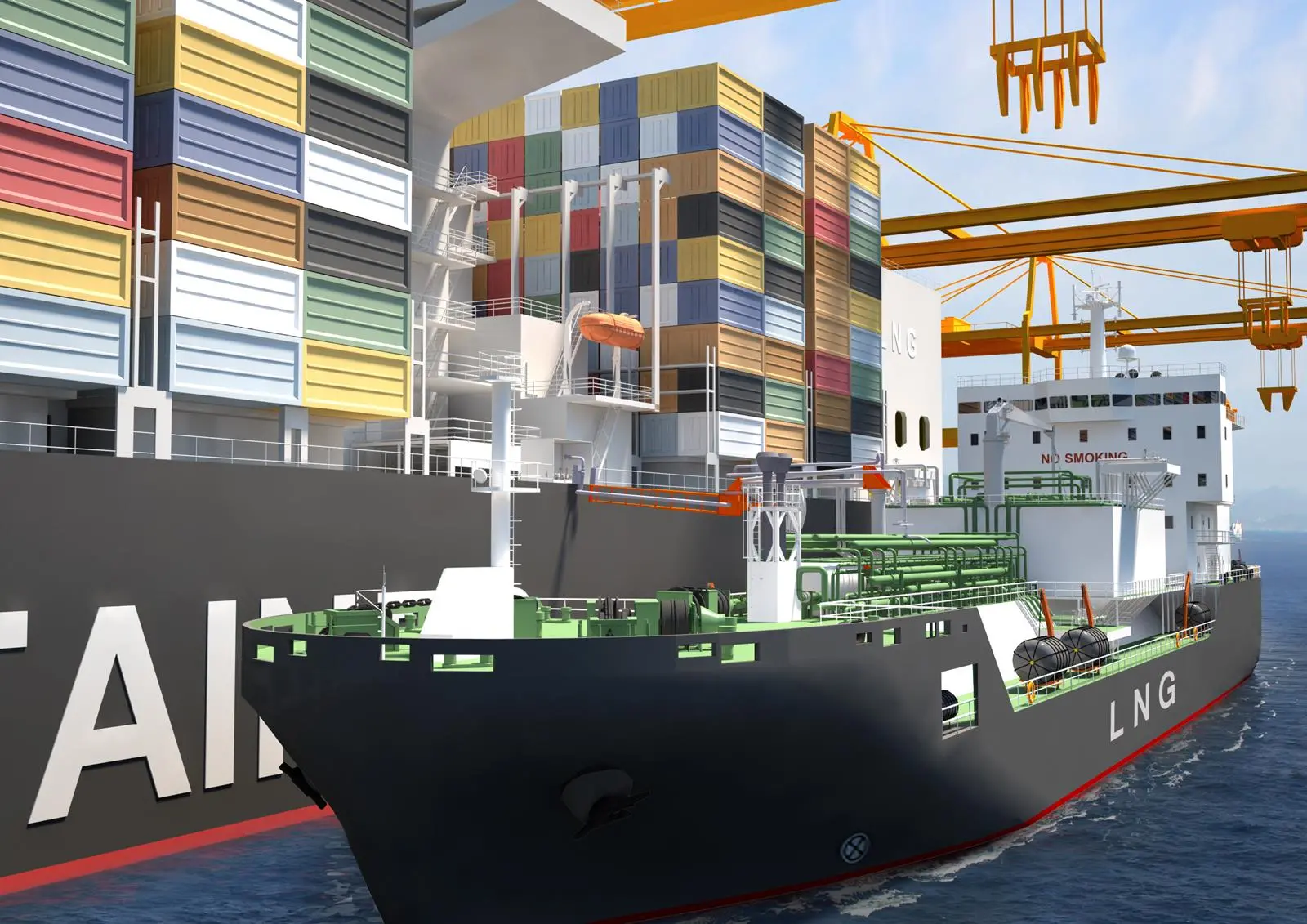
The study compared the IGC Code which applies to LNG carriers engaged in international voyages and the IGF Code which applies to LNG-fuelled ships. Ha conducted a gap analysis based on the cases of a large LNG carrier and a small bunkering vessel for the requirements of the IGC Code, and a large and a small bulk carrier for the IGF Code.
A key area of concern related to the machinery space. According to the IGF Code, LNG fuelled ships can either meet “gas safe machinery space” or “emergency shutdown (ESD) protected machinery space” requirements. In contrast, the IGC Code only recognises the concept of the gas safe machinery space.
Unlike the gas safe machinery space, gas can be accidentally released into the machinery space under the ESD protected machinery space design requirements. However, the affected space must be able to be isolated with losing propulsion power – this is typically achieved through the creation of duplicate machinery spaces. The ESD protected machinery space is therefore focused on the post-treatment of a gas leak, and it also limits the pressure of the gas fuel supply system for gas engines to 10 bar – a restriction that could limit the use of 2-stroke engines.
The gas safe machinery space concept in the IGC Code requires all gas piping in the machinery space to be enclosed in a gas-tight double barrier with mechanical ventilation system. The opening of ventilation inlets in connection with the double pipe in the machinery space is only permissible for the low-pressure gas piping systems (to 10 bar) on the condition that gas detection system is installed in the surrounding engine room space. However, the IGF Code does not accept the opening of ventilation for double pipes into the engine room, regardless of the pressure of the gas, to minimise the potential risk of fire and explosion.
The IGC Code categorises LNG cargo tanks as Type 2G tanks. In the IGF Code, they are Type 1G tanks which carry more stringent requirements regarding safety distance. However, the code does allow for probabilistic determinations of the distance based on SOLAS damage stability considerations.
The IGC Code stipulates that the outlet from the cargo pressure relief valve must be at least 10 metres from the nearest air intake, air outlet or opening to accommodation spaces, service spaces, control stations, and other non-hazardous areas, or it should be equal to the lesser of ship breadth or 25 metres. In contrast, the IGF Code simply requires a distance of 10 metres from non-hazardous areas. Ha believes that the IGF Code safety requirements should include a risk-based analysis to this distance that is suitable for both large and small vessels.
Both Codes call for a stress analysis for piping with a design temperature of less than -110oC, but the IGF Code additionally calls for a maximum working pressure of 1.0MPa. “This means that the fuel supply piping systems for two-stroke gas engines applied to LNG-fuelled ships are subject to the stress analysis while the same systems are not subject to the analysis when mounted on LNG carriers,” states Ha in the study.
There are a number of other discrepancies between the two codes, including:
• Under the IGC Code, a secondary enclosure is not required for the on-deck liquid fuel gas pipe between the fuel gas pump in the cargo tank and the high pressure pump. However, under the IGF Code it is.
• The installation of the vapour return line is optional under the IGF Code but mandatory under the IGC Code.
• The IGF Code specifies a gas dispersal analysis or physical smoke test to determine the optimal layout of gas detectors, but the IGC Code does not.
Ha concludes that the regulatory inconsistencies between the two Codes may cause the different application of safety requirements to systems that are exactly the same. For example, while an LNG carrier with a gas engines can be regarded as an LNG fuelled ship, it is only subject to the IGC Code, not the IGF Code.
The issues raised are expected to be addressed in the near future (IMO CCC Sub-Committee to be held in 2022/2023) as MSC 103 has approved a work item on “Review of the IGC Code”.
The study was published in the International Journal of Ocean Engineering Research Institute, and Ha was awarded the Denny Medal, the best paper award, from the British Institute of Ocean Engineering.