Energy major to explore solutions to decarbonise LNG production
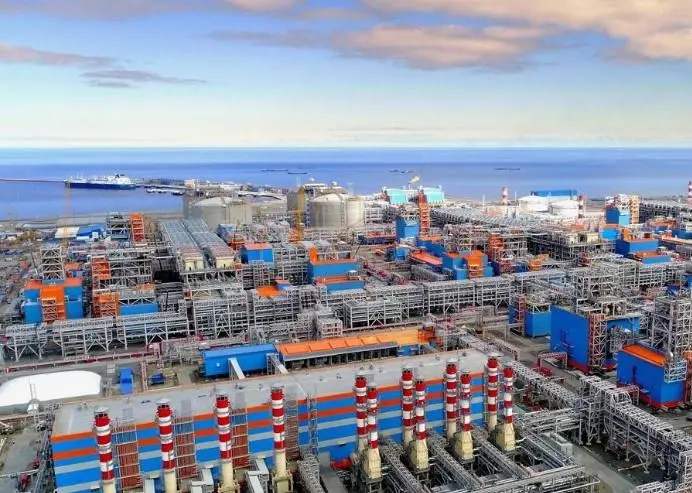
As part of the contract, Siemens Gas and Power is researching potential liquefaction and power generation plant designs, with the ultimate goal of decarbonising the production of LNG.
The Motorship notes that the possibility of reducing or eliminating greenhouse gas emissions generated during the production or transportation of LNG before bunkering would significantly lower the overall environmental footprint of LNG.
An authoritative study on well-to-wake GHG emissions produced in April 2019 in collaboration with several engine manufacturers identified that the production and liquefaction steps accounted for around one-third and one-half, respectively, of all GHG emissions on a well-to-wake basis.
The Siemens Gas and Power studies are targeting key areas, such as reducing the environmental footprint of LNG liquefaction facilities and the associated greenhouse gas emissions, as well as plant reliability, maintainability, regulatory compliance, and development costs.
Concepts to be explored include the minimisation or elimination of process flaring; the improvement of onsite power generation efficiencies and the use of gas turbine- and electric-driven compression train concepts with single-mixed and double-,mixed refrigerant technologies.
“Siemens Gas and Power is committed to supporting the LNG industry’s efforts to reduce carbon emissions through the application of proven equipment solutions and by providing financial, technical development, and strategic support to customers in the early concept development and pre-FEED stages of projects,” said Thorbjoern Fors, CEO for Siemens Energy Oil & Gas Division.