Engine coolant treatment gains Wärtsilä approval
According to Enwa, internal corrosion is critical for marine engine efficiency and life is internal corrosion; therefore engine manufacturers provide clear specifications for the water to be used for cooling.
The company explains that as soon as water enters the cooling system, it causes corrosion, scaling, bacterial contamination and fouling. This has a significant impact on energy consumption, motor components and overall life cycle cost. As little as 2mm of rust can reduce heat transfer by 5% across component surfaces. Scale has an even more significant effect on the transfer efficiency with a 0.5mm layer generating as much as 4% loss.
Enwa says that when specifying a water treatment regime, consideration must be given to its efficacy, its whole life cycle cost, how easily it can be implemented and managed, and what potential risk it presents to personnel and the environment. A major worry for ship owners has been the fact that whenever an engine cooling system or an HVAC system is drained, the water has to be treated as special waste since chemicals are being used to avoid corrosion, scaling and bacteria.
Traditionally, engine cooling water is treated by adding different types of chemicals to balance the water quality and avoid internal corrosion. Doing so, however, can cause localised pitting and accelerate corrosion. The EnwaMatic technology is said to be based on filtering and treating the water with minerals, balancing, removing oxygen and neutralising the water. The EnwaMatic unit is fully automatic while it protects the engine or HVAC system internals.
According to the company, the unit combines reproducible principles of water chemistry with standard water treatment technologies. It combines dirt and air separation with environmentally sound water conditioning. It creates changes in key water parameters, such as pH, alkalinity and hardness, to elicit corrosion inhibition, control of scale formation and a biocidal effect.
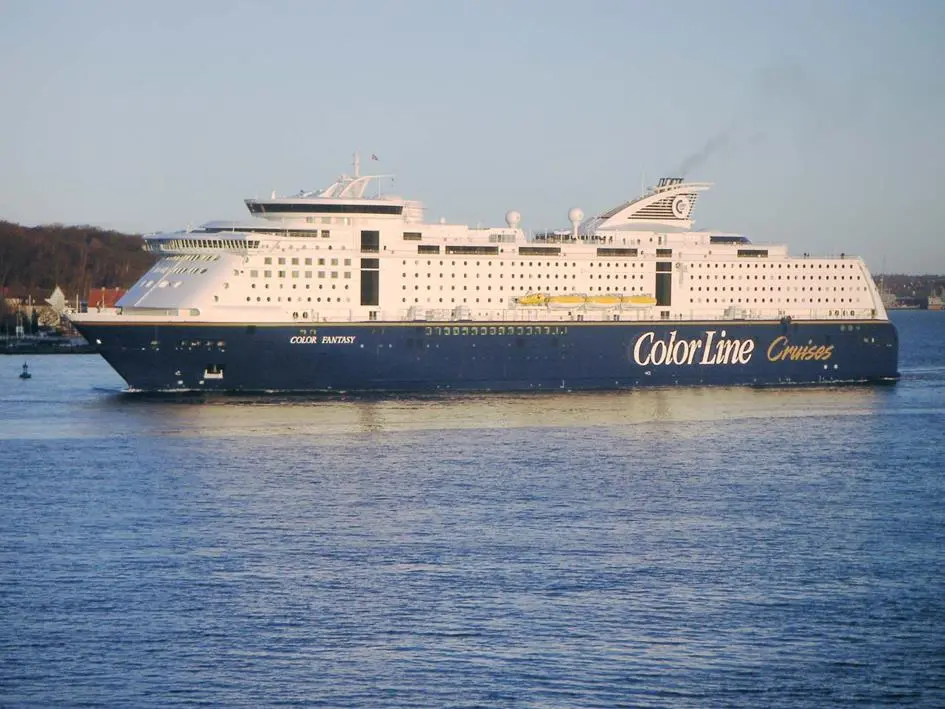
The Wärtsilä approval of the system was preceeded by several years of trials with the final test running for 16,378 engine hours, onboard the cruise ferry Color Fantasy, sailing between Oslo and Kiel.
The company reports that shipowner Color Line, operating several cruise ferries, has decided to change all closed loop water systems for engines and HVAC systems on its whole fleet to EnwaMatic Maritime.