First type approval for ship aluminium cables
Traditionally, power cables for marine use have been made with copper, but the price has been rising sharply over the last several decades – putting increasing cost pressures on the maritime industry.
“At the same time, electric propulsion is becoming more widespread in shipping, which will increase the demand and importance of finding more economical power cables,” said Ivar Bull, DNV GL.
Cost savings
Because DNV GL’s new type approvals for aluminium cables and connectors allow expensive copper to be replaced with aluminium, cost savings could be significant for operators with the price of aluminium in 2018, approximately one third that of copper.
Aluminium’s lower conductivity means that a thicker cable is required, but this is compensated for by an overall lower weight. For example, a typical offshore support vessel may have 60 tonnes of copper cables installed. If these were replaced with aluminium, the weight would fall to 30 tonnes.
Lighter cables also result in easier installation for the ship builder and lower material transport costs.
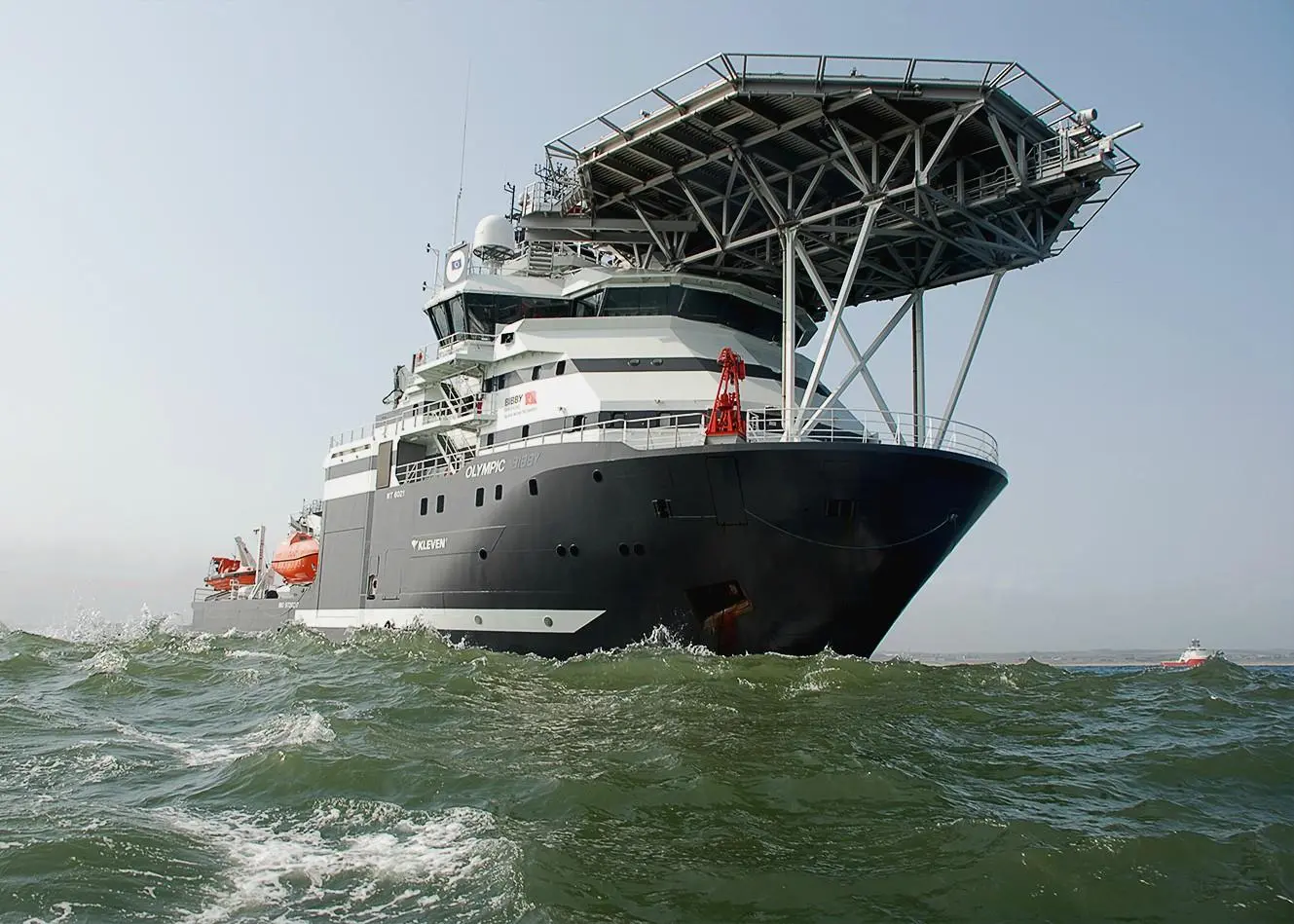
The use of aluminium cables has been tested for the past three years in a pilot installation onboard the Bibby Offshore owned, Olympic offshore managed, Olympic Artemis, a multi-purpose offshore support vessel. The cables have been used to supply power to one of the vessel’s thrusters.
Recently, DNV GL experts, together with representatives from the cable manufacturer Amo Specialkabel AB, checked the aluminium cables onboard with a thermographic camera.
The survey confirmed perfect connections after more than 11,000 operating hours and DNV GL was then able to issue the type approvals.