Gas detector can be calibrated onboard
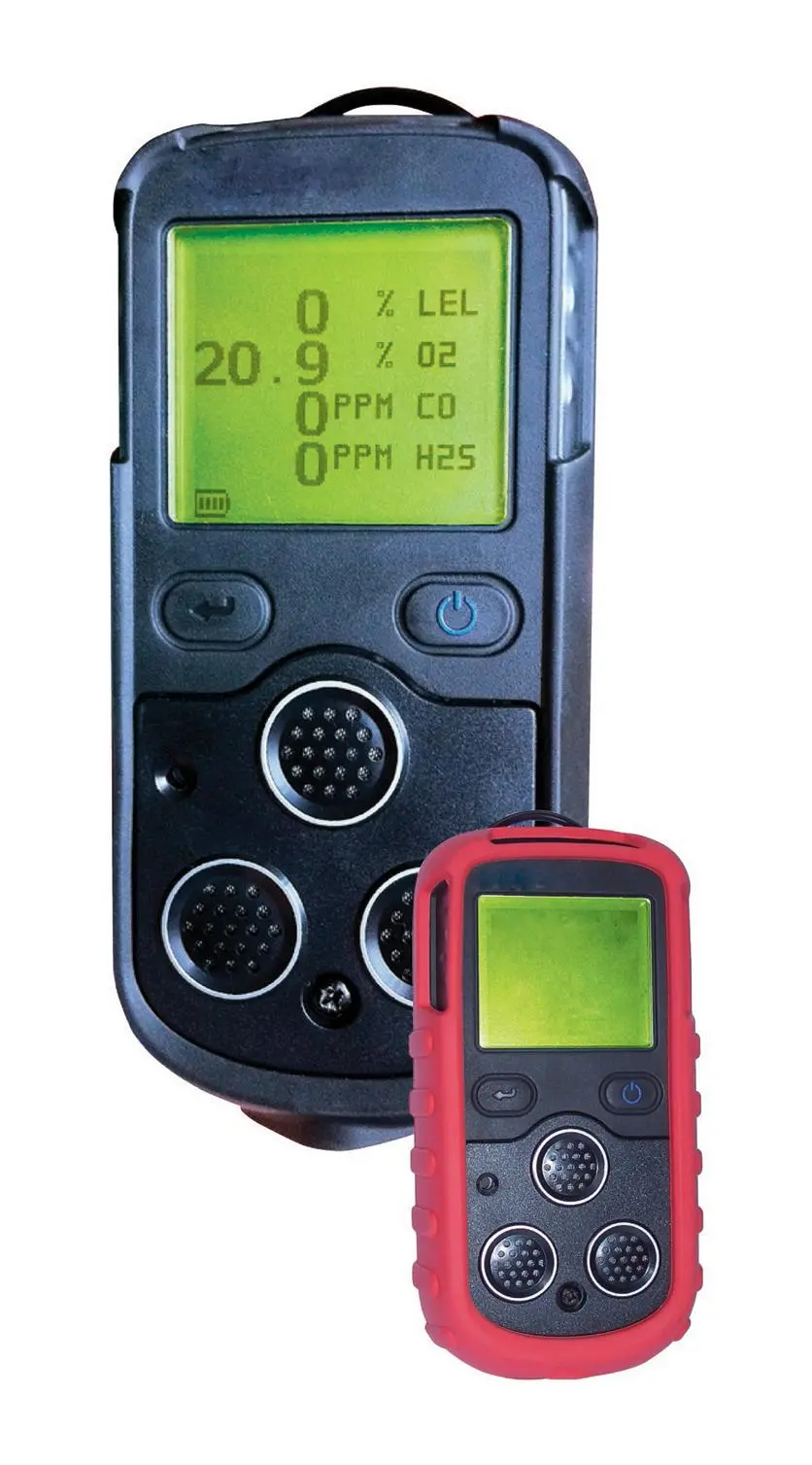
The Paris and Tokyo MOUs and oil major criteria require calibration records to be kept for fixed and portable gas detectors onboard. Martek’s Marine 4 is supplied with a self-certification/calibration station which provides the user with automatic bump testing and calibration. The detector is placed in the station, and after one minute the detector is tested and certified. Martek says this ensures that calibrations are carried out in a repeatable, tamperproof manner without the possibility of human error, and the system automatically produces a calibration certificate which is acceptable to classification societies, oil majors and port state control.
The Marine 4 is claimed to cut the cost of sending detectors ashore for calibration, and the need for reserve detectors to cover shortfalls when detectors are ashore.
The fact that the Marine 4 uses about 75% less gas than manual calibrations is claimed to bring savings in wasted gas and administration and carriage costs. The Marine 4 provides audible and visual alarms in the event of exposure to any of four flammable or toxic gases. The testing programme can be set to meet individual requirements, for example: daily bump tests with weekly calibration and monthly certification. Responsibility for the testing process and testing frequency is taken away from busy or untrained crew, for maximum safety.
Steve Coulson, director of Martek Marine, said: “Many owners don’t realise the extent of the problem of non-approved detectors, but it would only take one gas death and a subsequent investigation that finds non-approved gas detectors onboard for the owners and managers to face corporate manslaughter charges and extremely damaging, negative publicity.”