German port cuts ‘last mile’ emissions using HVO
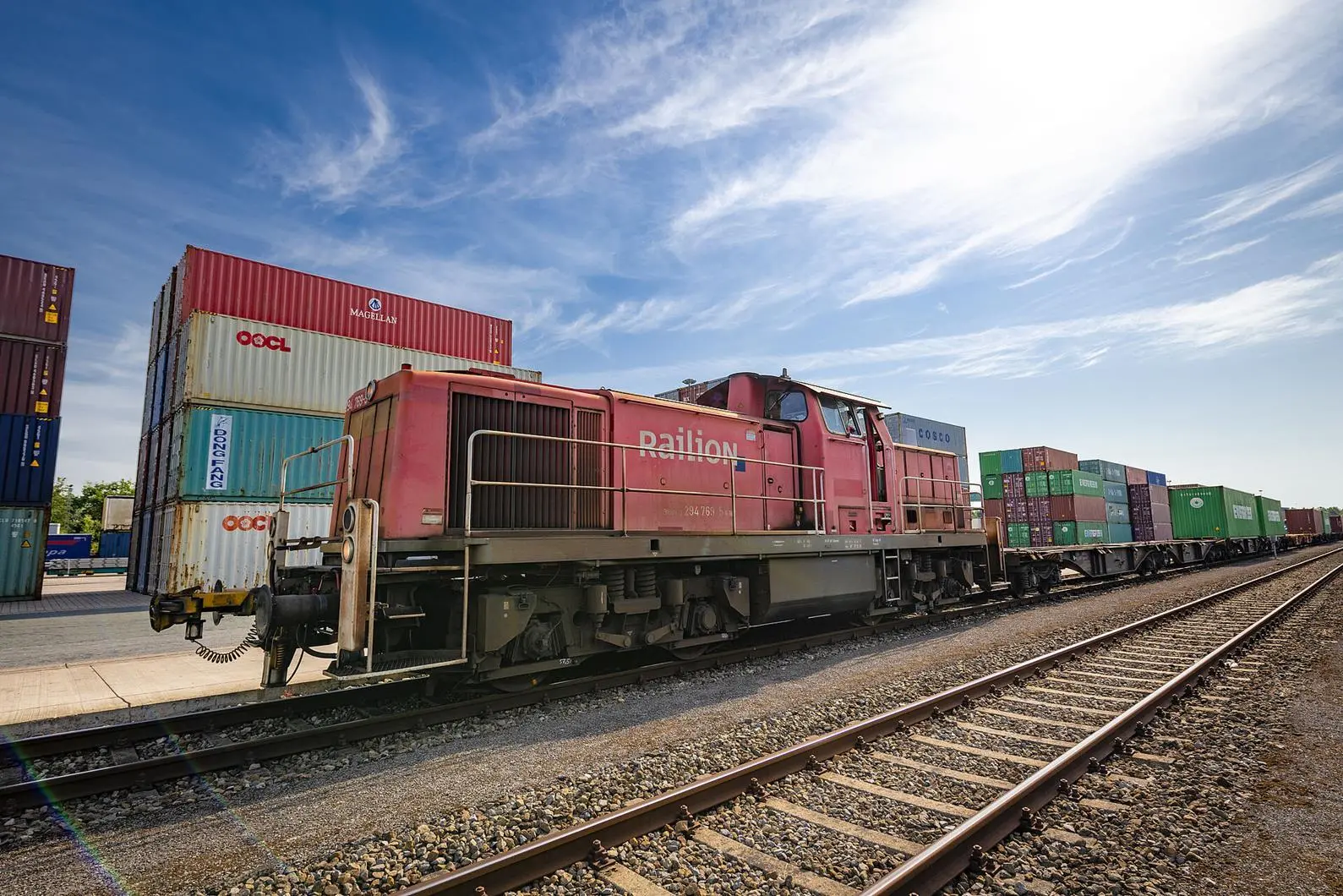
The conversion has made possible by a joint project called “Climate and emission protection on the last mile in rail freight transport”, which was set up with the participation of the Bremen Senator for Science and Ports, DB Energie GmbH and the shunting service providers DB Cargo AG and evb.
With funding from the state Bremen, the project including the conversion of a filling station was realised so that last-mile transport now produces far less emissions.
Axing diesel
Claudia Schilling, Bremen Senator for Science and Ports, told railtech.com: “In Bremerhaven, we are the first major seaport in Europe to end the use of diesel for transports on the ‘last mile’ in rail freight transport and make the already environmentally and climate-friendly mode of rail transport even greener.”
”Bremerhaven not only offers a high-performance connection by rail, but at the same time the most sustainable and climate-friendly logistics chains to the German and European hinterland.”
In Bremerhaven seaport, three railway companies are currently active as shunting service providers for the last mile to the terminals and back.
DB Cargo AG, Eisenbahnen und Verkehrsbetriebe Elbe-Weser GmbH (evb) and FLEX Bahndienstleistungen GmbH are currently operating up to 15 shunting trains along the route, which were previously powered by diesel.
They are in use 24 hours a day, 360 days a year and each consumed around 80,000 litres of diesel per year. The operators say that using HVO is saving around around 90% fewer greenhouse gas emissions per year.
DB Schenker has been throwing its weight behind biofuel, not only with regards to rail transport, but also air and shipping. It has more recently purchased 12,000 metric tonnes of biofuel which it will use to transport its own greener consolidated cargo in an arrangement with shipping line MSC.