



Global crackdown on BWM compliance

The campaign, conducted by the Paris and Tokyo MoUs, will run until the end of November, marking the most comprehensive enforcement effort since the D-2 discharge standard became mandatory in 2024.
“The message to the industry is very clear – BWM Convention is now fully in force and port state control will expect every vessel to be fully compliant with its requirements, with no excuses,” warned Charlène Ceresola, BWT project manager at BIO-UV Group.
“Shipowners cannot wait until an inspector calls. They need to be prepared.”
Under the CIC, officers will apply a standard ten-point checklist to verify compliance with the Ballast Water Convention. Inspectors will examine certificates, check that ballast water treatment systems are operational and type-approved and ensure crews are trained and procedures followed. Record books and sediment management will also come under scrutiny.
Authorities have noted that non-compliance often stems from poor documentation, lack of crew familiarity and maintenance issues rather than equipment failure.
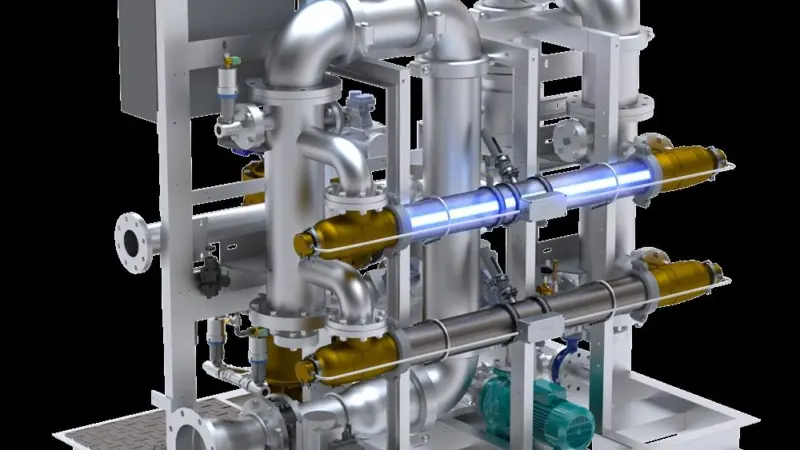
“BIO-SEA ballast water treatment technology is proven,” said Jean-Philippe Picard de Muller, BIO-SEA sales director.
“But compliance failures occur when the crew does not know how to operate systems properly or when records are incomplete. That is why our service team continues to place so much emphasis on training.”
BIO-UV Group recommends operators review their BWM plans, train crews, verify certification and conduct internal audits immediately.
“Be prepared,” Ceresola concluded. “Compliance is not optional. It is an essential part of safe, efficient and sustainable ship operation.”
Related Articles
 BALLAST WATER MANAGEMENT
 BALLAST WATER MANAGEMENT
 BALLAST WATER MANAGEMENT