Ice LNG cargo comes under Bureau Veritas spotlight
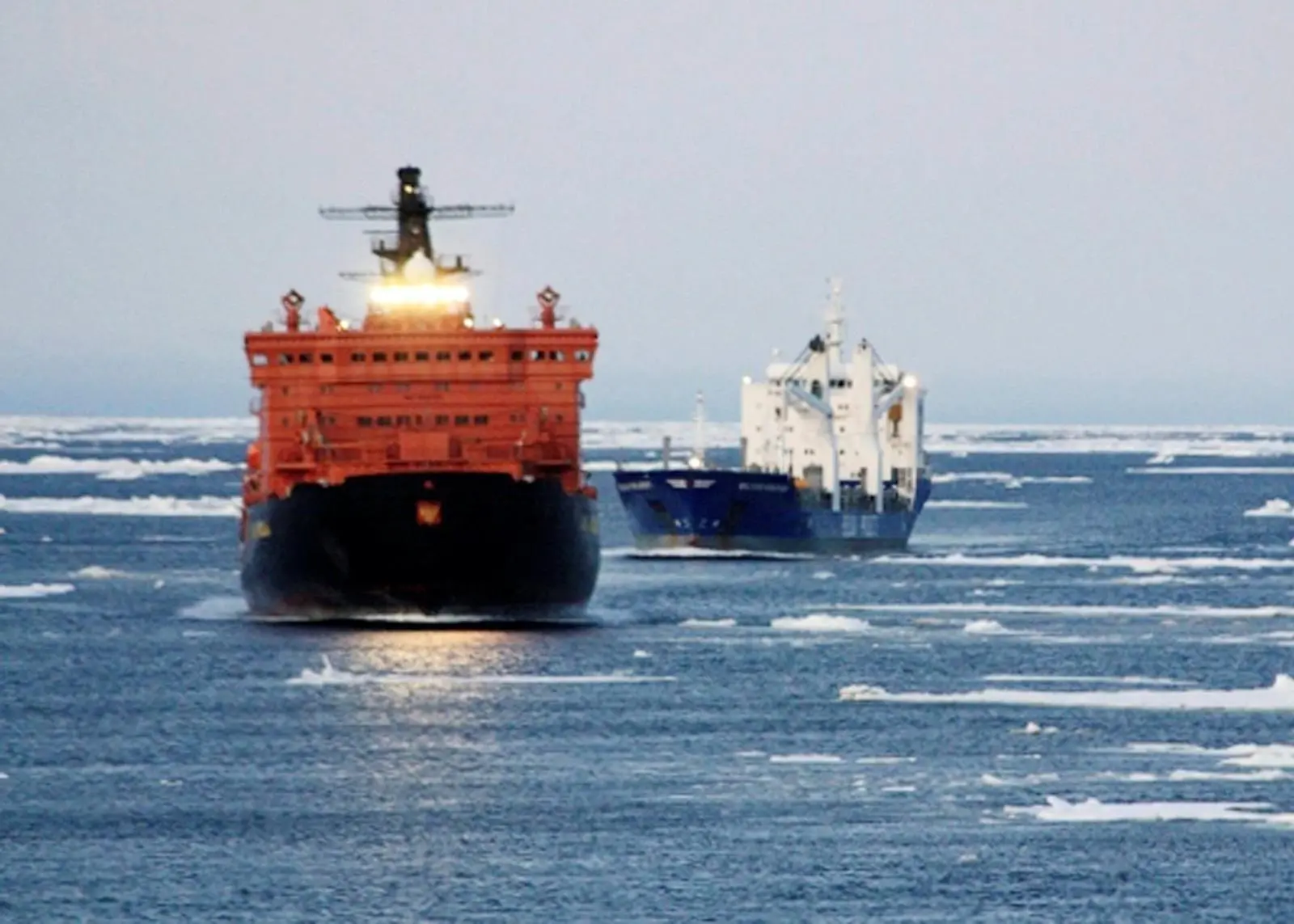
The classification society has developed a probabilistic method for assessing ice loads on structures, which will reduce the time and data needed to assess the structure of vessels and units designed for heavy ice operation.
A new module for BV’s IceSTAR ice load calculation tool will calculate the kinetic energy imparted to the cargo resulting from collisions with ice. The kinematics derived from IceSTAR can then be used together with CFD analysis to determine how the cargo will slosh and the extra loads this will impose on the ship’s structure and the LNG containment system. The probabilistic methodology for this upgrade has been developed in a research collaboration with the State Maritime Technical University of St Petersburg.
Pierre Besse, director of innovation, Bureau Veritas, said, “All eyes are on the Arctic sea routes and on the opening up of the Arctic mineral and energy resources. We have to ensure the vessels and offshore units that operate in those extreme conditions are safe. That is why we have invested heavily in research into ice loads on structure and the effects of cargo sloshing caused by collisions with ice for LNG carriers and oil tankers. That investment gives us powerful tools which we are using to shorten the time needed to assess designs for key Arctic projects and routes.
“When gas and oil cargoes begin moving regularly through the Arctic it is certain that ships and ice will interact. The energy from those collisions will cause the cargo to move violently, and we have to make sure the ships and especially LNG containment systems are built to withstand that. It is a complex calculation requiring high level modelling but we can do that, and do it in a commercially acceptable time frame. BV is working on a number of high Arctic projects such as Shtokman and Yamal and these tools will make them safe and ready more quickly.”
Mr Besse concluded: “Ice properties vary widely. There are always issues with input data. This research has proven that using stochastic methods we can overcome limitations in the input data to produce safe and robust outputs for the loads which ships and offshore structures may expect from Arctic ice.”