



Leclanché to bring higher-performance Li-ion batteries to market in 2024
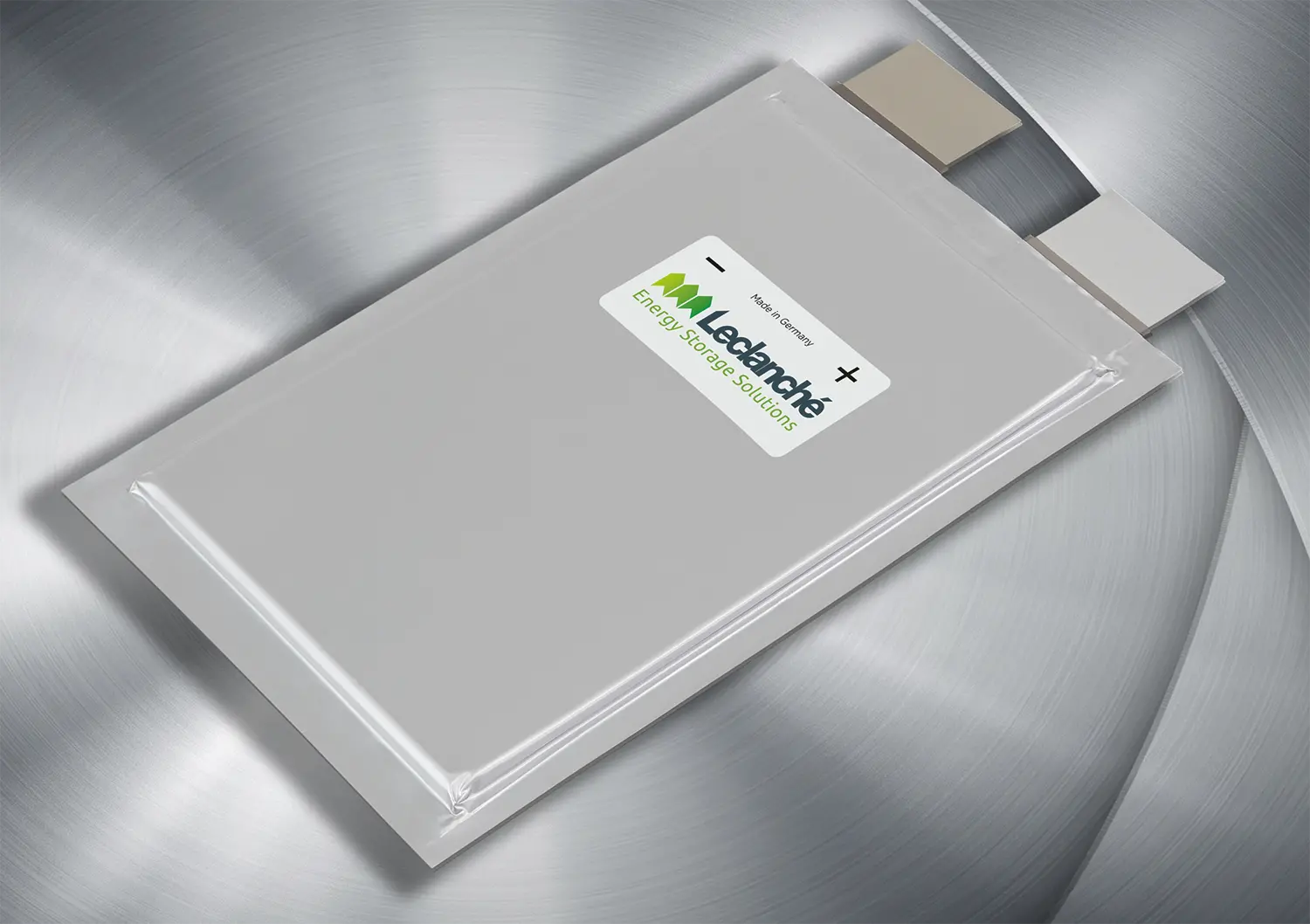
By altering the chemistry of the NMCA cathodes (nickel-manganese-cobalt-aluminium oxide), Leclanché claims to have reduced the cobalt content in the cathodes to 5%. The cells are reported to have a 20% higher energy density compared with conventional cells without altering the size, weight or charging/discharging rate.
“With the water-based production of the high-capacity NMCA cathodes, we have reached a decisive milestone in lithium-ion technology,” emphasizes Dr. Hilmi Buqa, Vice President R&D at Leclanché. “Until now, producing them using environmentally friendly processes was considered impossible. But, now we have mastered the process.”
Leclanché is the first company in the world to implement the environmentally friendly process in the production of Li-ion cells. The newly developed G/NMCA cell has a nickel content of around 90%, which increases the energy density and enables the significant reduction of the cobalt content by 15%.
At the same time, it offers a longer service life, high cycle stability and good chargeability. Thanks to the high-volume energy density and high cycle stability, the new cells are particularly well suited for heavy-duty applications such as ships, as well as land transportation modes, such as buses and trucks.
Environmental benefits
While the improvements in the production process for the cell will reduce the environmental embedded in the cell by eliminating the use of highly toxic organic solvents (NMP) from the production process and replacing it with a water binder-based process, the advance will also improve the new cells’ end-of-life appeal. The new G/NMCA cathodes are said to be easier to dispose of and are also recyclable.
Interestingly, most high-capacity NMCA cathodes are manufactured using organic solvents such as NMP (N-methylpyrrolidone). These are highly toxic and harmful to the environment. In April 2018, NMP was added to the list of Substances of Very High Concern, which can have serious irreversible effects on human health and the environment. The use of NMP has therefore been restricted by the European Commission.
Leclanché’s water-based process is also less energy intensive, offering a 10-30% reduction in energy consumption compared with ‘conventional’ NMCA cells.
Leclanché plans to bring its new environmentally friendly G/NMCA cells to market in 2024.
Related Articles
 ELECTRIFICATION AND BATTERY HYBRIDS
 ELECTRIFICATION AND BATTERY HYBRIDS
 ELECTRIFICATION AND BATTERY HYBRIDS