LNG: From pipedream to mainstream
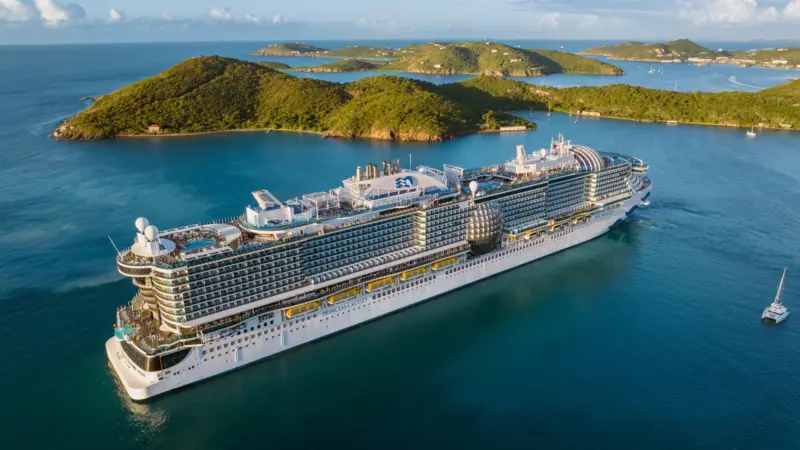
Fast forward to 2025, and the number of dual-fuel, LNG capable vessels afloat and on order has reached a number that would have seemed staggering in 2010. Then, LNG as fuel was solely the preserve of gas tankers, which could use cargo boil-off as fuel, as well as short-distance coastal ferries, such as those crossing the Norwegian fjords, where suitable and safe refuelling stations could be provided.
Although technology had proved burning gas as well as liquid fuels in the same engine was feasible, LNG was being considered for only a very few mainstream ship types. It was the infrastructure that was regarded as the main hurdle. Add to this the fact that, for ships travelling long distances between bunkering ports, LNG tank volumes would need to be far greater than for conventional fuels.
Maritime LNG industry collective Sea-LNG has recently published its analysis of the LNG-fuelled fleet. From a mere handful of ships 10 years ago, there are now 638 LNG-fuelled ships afloat. This may still be a small minority of the total world fleet – some 6-7% – but the figure is expected to almost double to 1200 by 2028.
Most marine engines are capable of being retrofitted for dual-fuel LNG use, but such activity has been very limited. This is no doubt due to the complexity of incorporating LNG fuel storage and handling systems on existing ships. So the growth in the gas-fuelled fleet is down to the number of newbuilding orders that are capable of dual fuel (LNG and oil fuel) operation. Sea-LNG notes that about 70% of alternative-fuelled tonnage ordered in 2024 is capable of running on LNG. Those figures are even more noteworthy as they specifically exclude gas carrier ships.
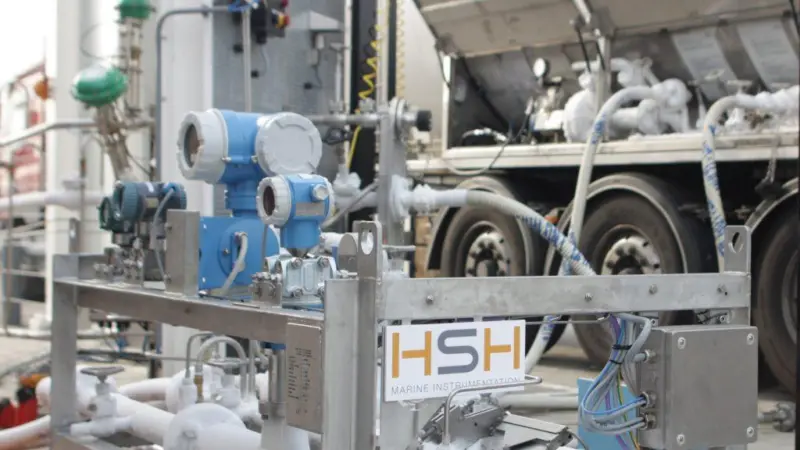
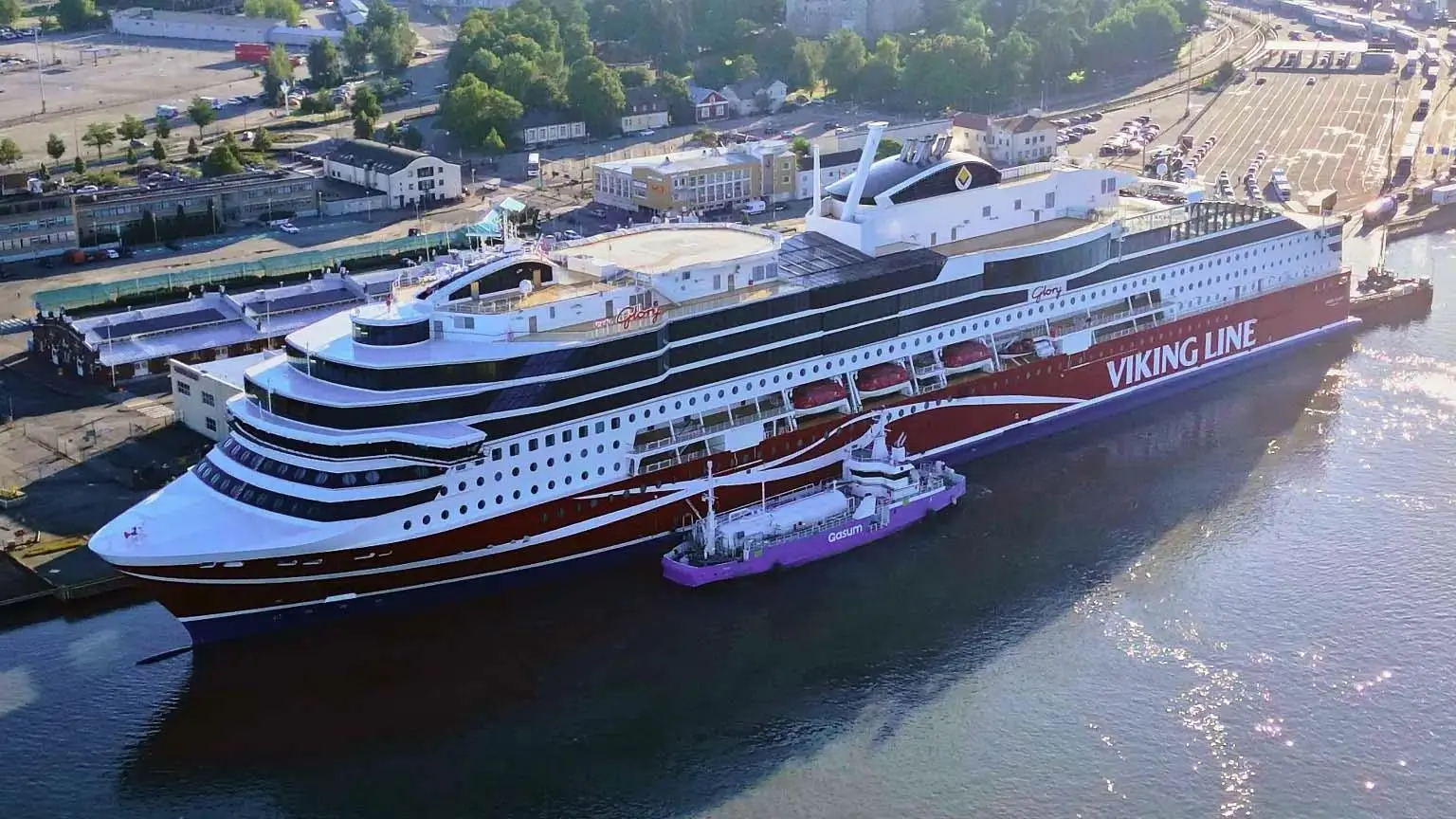
Such expansion has only been possible because of the rapid growth in the LNG fuelling infrastructure. In the early years of gas fuelled ships, longer voyages – initially just the maiden delivery voyage from Far Eastern shipyards to European operators – had to be meticulously planned, with road tankers ready at various ports en route, as insufficient locations were able to supply LNG in bulk. Sea-LNG’s analysis shows that by the end of 2024, LNG bunkers were available in nearly 200 ports worldwide, with plans in progress for full LNG bunkering facilities in an additional 78 location. There has been a considerable increase in LNG bunker ships – over 60 are currently operating today, marking a 22% increase from 2023’s figures. More still are being planned and delivered.
Many in the industry have moved from seeing LNG fuel as a novelty, appropriate in a few specialised markets, to an interim fuel, offering a bridge between fossil fuels and zero-emission alternatives, which still have a way to go before they too enter the mainstream. This is a view that is accepted by Sea-LNG, but the industry coalition sees a longer-term future, with synthetically (e-methane) or biologically produced (bio-methane) gas offering a net zero-emission virtual drop-in for LNG.
Sea-LNG chairman Peter Keller said: “Our latest [January 2025] ‘View from the Bridge’ report reaffirms the importance of the LNG pathway as a practical and realistic route to shipping’s decarbonisation now. We continue to believe that the shipping industry is heading towards a successful multi-fuel future where LNG will always play a critical role. To deliver net zero by 2050 across the global shipping fleet, a basket of fuels is required and the LNG pathway will continue to lead the way. This is not a case of my fuel versus your fuel but rather which fuel best allows the industry to reach its stated goals. The LNG pathway provides the path to net zero.”
According to Keller, bio-methane and e-methane are an important step along that pathway, allowing dual-fuel ships ordered today to burn, with little or no modification to engines or fuel systems, gaseous fuels complying with net-zero well to wake specifications.
Methane slip
Sea-LNG’s analysis suggests that the FuelEU Maritime regulations, that started to take effect from the beginning of 2025, create a favourable climate for the LNG/bio-methane pathway. Running on LNG fuel, the latest dual-fuel vessels can immediately reduce GHG emissions by up to 23%, making them compliant until around 2039. Then, switching to liquefied bio-methane and e-methane can extend compliance beyond the IMO net-zero deadline of 2050. When such vessels are part of a Fuel EU Maritime pooling arrangement, the economics of running on gas can look highly attractive.
Although use of LNG fuel offers a significant reduction in carbon dioxide emissions, the main component of LNG – methane (CH4) – is a far more potent greenhouse gas than CO2, and there is a real danger that unburnt methane can be released into the atmosphere from LNG-fuelled engine exhausts. Methane slip, i.e. unburnt methane, has therefore tended to detract from the environmental contribution of gas fuelled ships.
The first dual-fuel engines were four-stroke units, operating on the lean-burn Otto cycle in gas mode and Diesel cycle in oil mode. Relatively high levels of methane slip were observed from such engines in gas mode. It should be noted that for gas-only, spark-ignited engines, methane slip is somewhat more tightly controlled, but such units, being limited to one fuel type, are less attractive for most maritime applications. For both types, methane slip increases significantly at low load – in the case of Otto cycle engines running at 25% load, methane slip has been found to increase by around a factor of four, according to a paper presented at the last CIMAC congress.
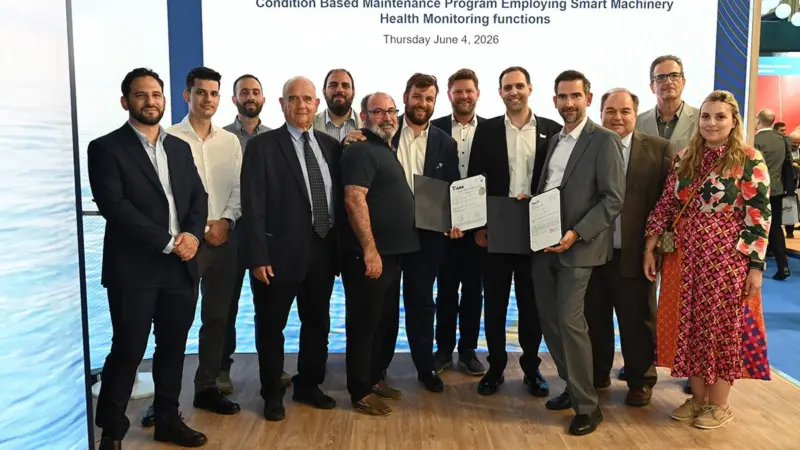
As dual-fuel marine engines developed, methane slip has been addressed in a number of ways. Safetytech Accelerator, which was established in 2018 by Lloyd’s Register and became an autonomous company in 2021, has taken a leading role through its Methane Abatement in Maritime Innovation Initiative (MAMII). In this initiative, four companies – Daphne Technology, CDTi Advanced Materials, Rotoboost, and Plenesys – were selected to take part in trials of a number of systems, in conjunction with shipping companies MSC, Seapeak and Capital Gas. Daphne Technologies’ SlipPure system is installed in the ship exhaust, and converts methane into water and CO2; CDTi offers a catalyst solution that oxidises the methane gas; Rotoboost’s system enables on-site pre-combustion low-carbon hydrogen production through thermo-catalytic decomposition, and Plenesys employs plasma torches to crack methane molecules.
In the trials, all have been found effective in cutting methane slip, by up to about 80%, while the Plenesys and Rotoboost methods reduced CO2 emissions as well. All were considered cost-effective ways of meeting the IMO emission goals.
MSC Group EVP Bud Darr said: “Information about how methane combustion performs under different conditions will be critical to solving the challenge of methane slip. Research insights from studies such as this one get the industry a step closer to understanding not only combustion performance but also what combination of onboard technologies can deliver significant methane emissions reduction. Improving the methane footprint of the global maritime fleet will be crucial to unlocking the net zero potential of bio and synthetic LNG. MSC is proud to support MAMII’s research focused on improving methane performance, which will ultimately support our efforts to achieving net zero decarbonisation by 2050.”
Kaisa Nikulainen, CEO Rotoboost said: “The collaboration has been exceptional, bringing together charterers, ship owners, LR, and industry partners such engine/equipment makers, to expedite the decarbonisation process and reduce the carbon footprint of the assets”.
The story is somewhat different for dual-fuel two-stroke engines. MAN B&W’s first-to-the-market ME-GI operates on the Diesel cycle in both modes, with minimal methane slip in gas mode, thanks to a high-pressure fuel system. However, the cost and complexity of the system prompted the industry to look for simpler alternatives. Wärtsilä (now WinGD) offered its X-DF low-speed dual fuel engine with a much simpler low-pressure Otto cycle system, but that was affected in a similar way to the Otto-cycle four strokes. MAN B&W introduced the low-pressure ME-GA in competition, but this was short-lived and was withdrawn in 2024. However, with the engine designers’ own improvements to the combustion process as well as the separate developments highlighted in programmes such as MAMII, the methane slip problem is well on track to be significantly reduced, if not eliminated altogether.
Sea-LNG’s Keller concluded: “As LNG continues to gain widespread recognition as the current practical and realistic alternative fuel pathway, it is reassuring to see growing evidence that the challenge of methane slip will be eliminated within this decade.”